The 32nd Annual Taikan-Ten Bonsai Exhibition, Bjorn Bjorholm guides you through some of the highlights
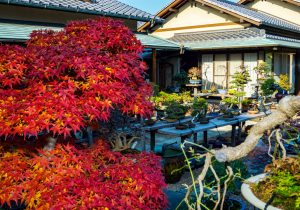
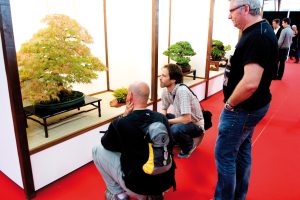
Because the Taikan-Ten is held in November, many of the bonsai on display are in peak autumn colour or are in full fruit, making the event a colourful miniature reflection of the surrounding natural Kyoto landscape. The Taikan-Ten Grandview Bonsai Exhibition, is held at Miyako Messe Hall in Kyoto, Japan.
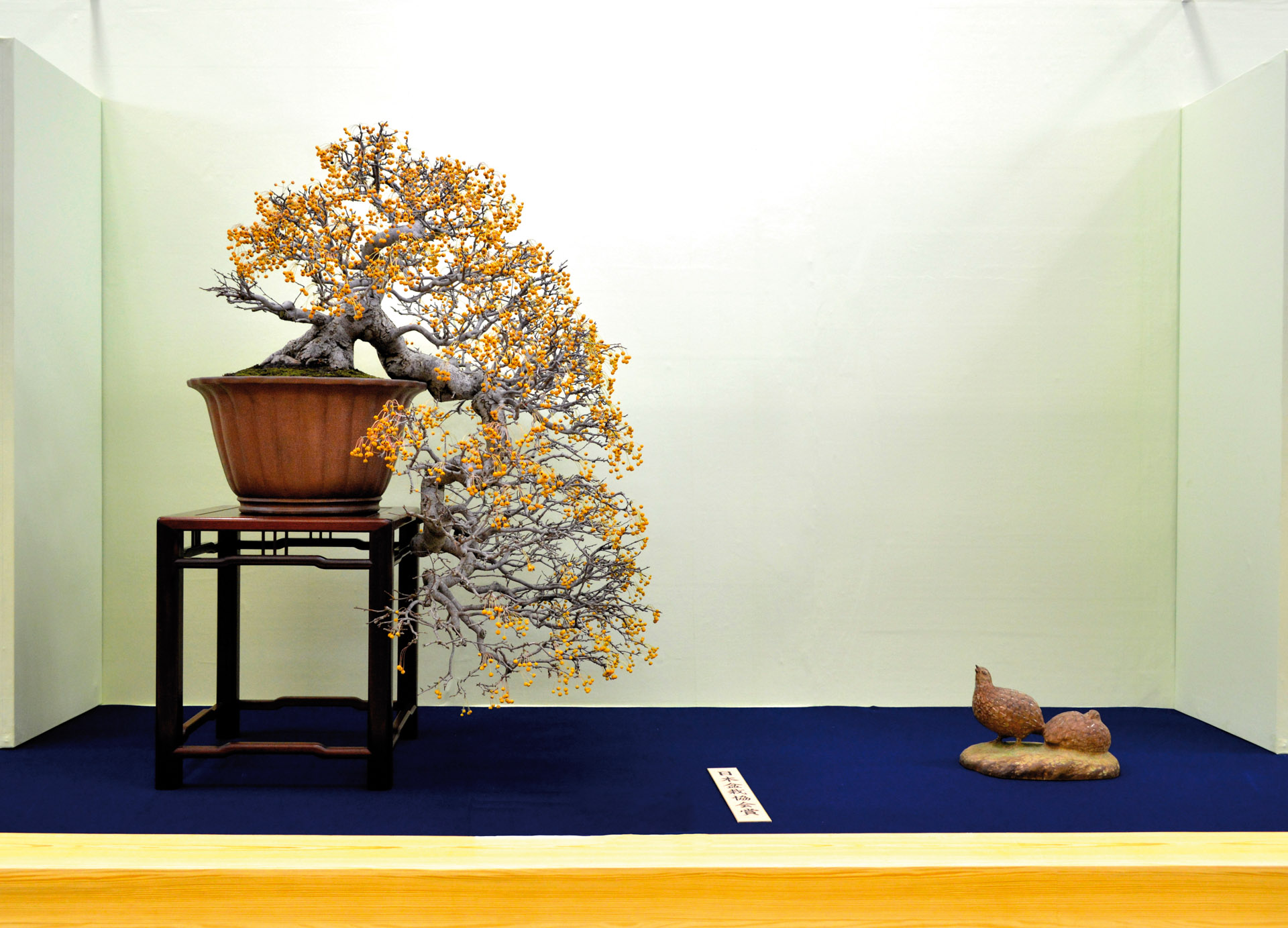
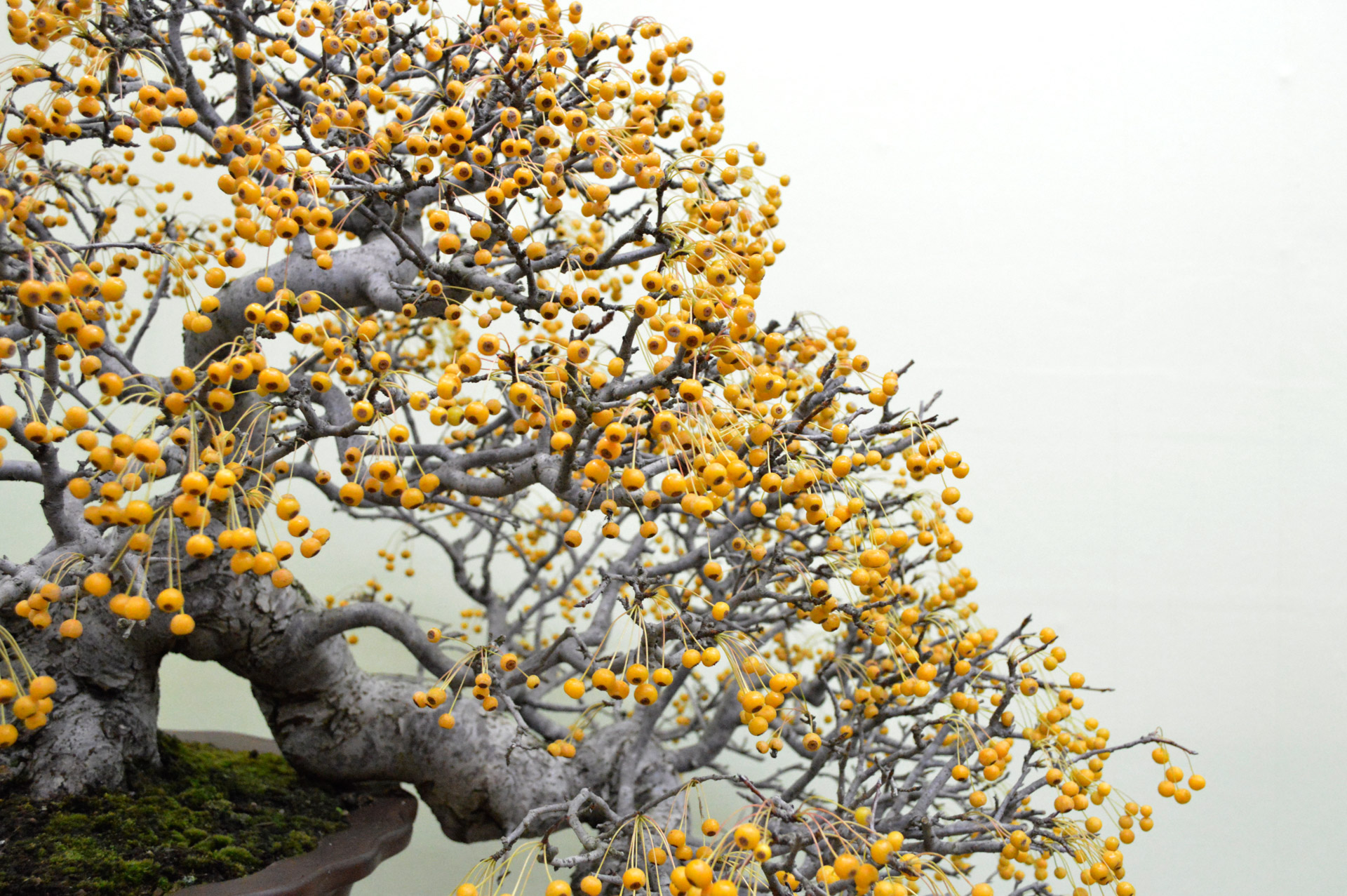
This exceptional dwarf crab apple was a crowd stopper at the Taikan-Ten. The total length of the tree, from apex to cascading branch-end, was approximately 120 cm / 47¼”, meaning this bonsai was not only impressive in size, but also extremely old, likely well over a 100 years. It received the Japanese Bonsai Association Award at the exhibition
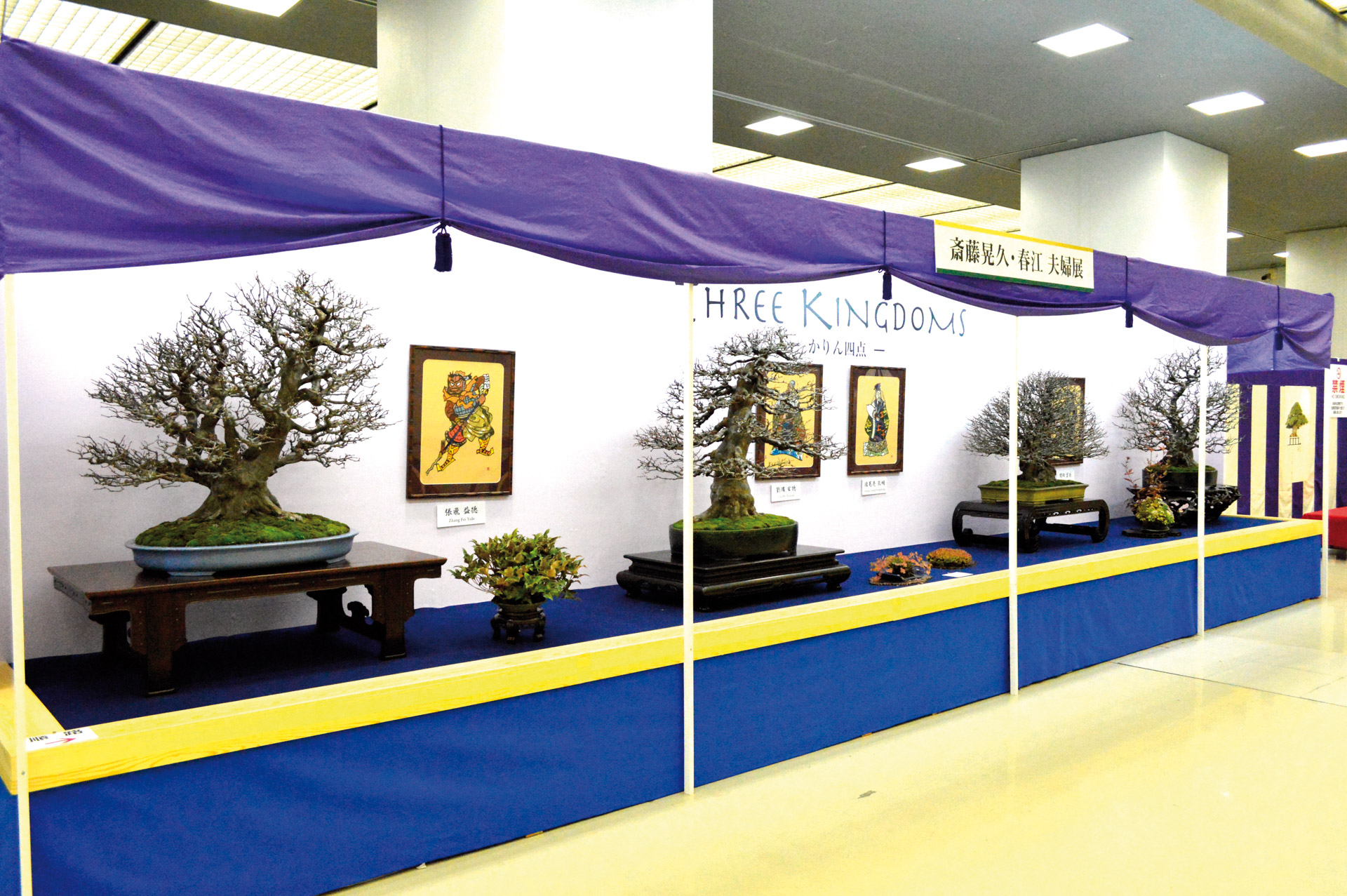
The special section which featured a theme on the Chinese Tale of the Three Kingdoms.
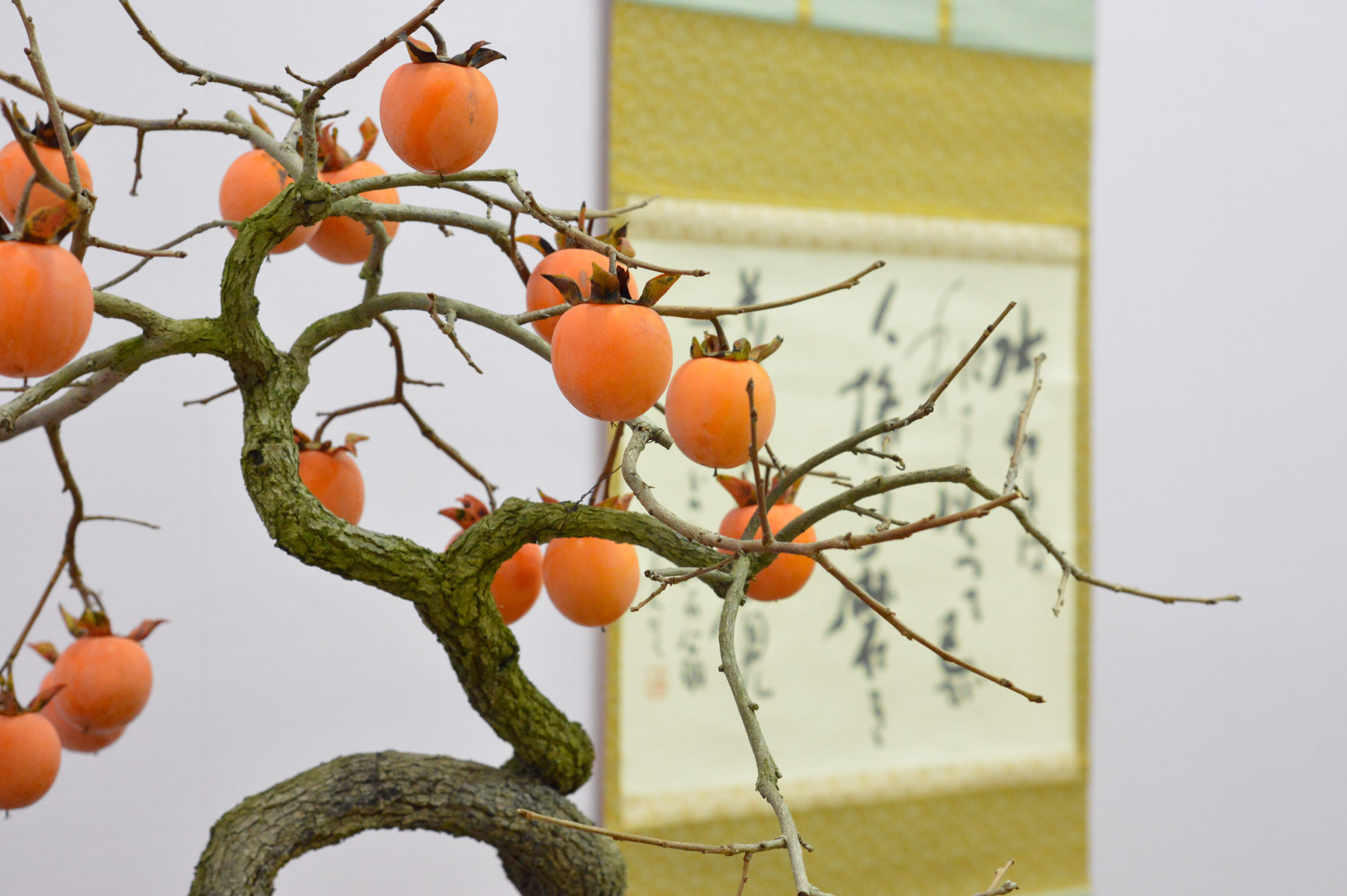
This Japanese persimmon, or Yamagaki, was one such tree in full fruit. Although the orange persimmons were quite large, the overall height of the bonsai (approximately 90 cm / 35½”) helped to create a balanced, well-proportioned design. Many exhibition-goers commented that this particular tree reminded them of their childhoods, growing up in the more rural areas of Japan.
Japanese persimmon.
Famous rock pine
This root-over-rock Japanese black pine has a long history as a bonsai. Having been planted on the rock following WWII, the tree has made its way around Japan, passing from nursery to owner to nursery. It was at one point maintained and sold by Mr Keiichi Fujikawa of Kouka-en in Osaka. Standing at just over one metre in height (about 40”), this bonsai is an impressive and powerful example of the results of proper long-term maintenance.
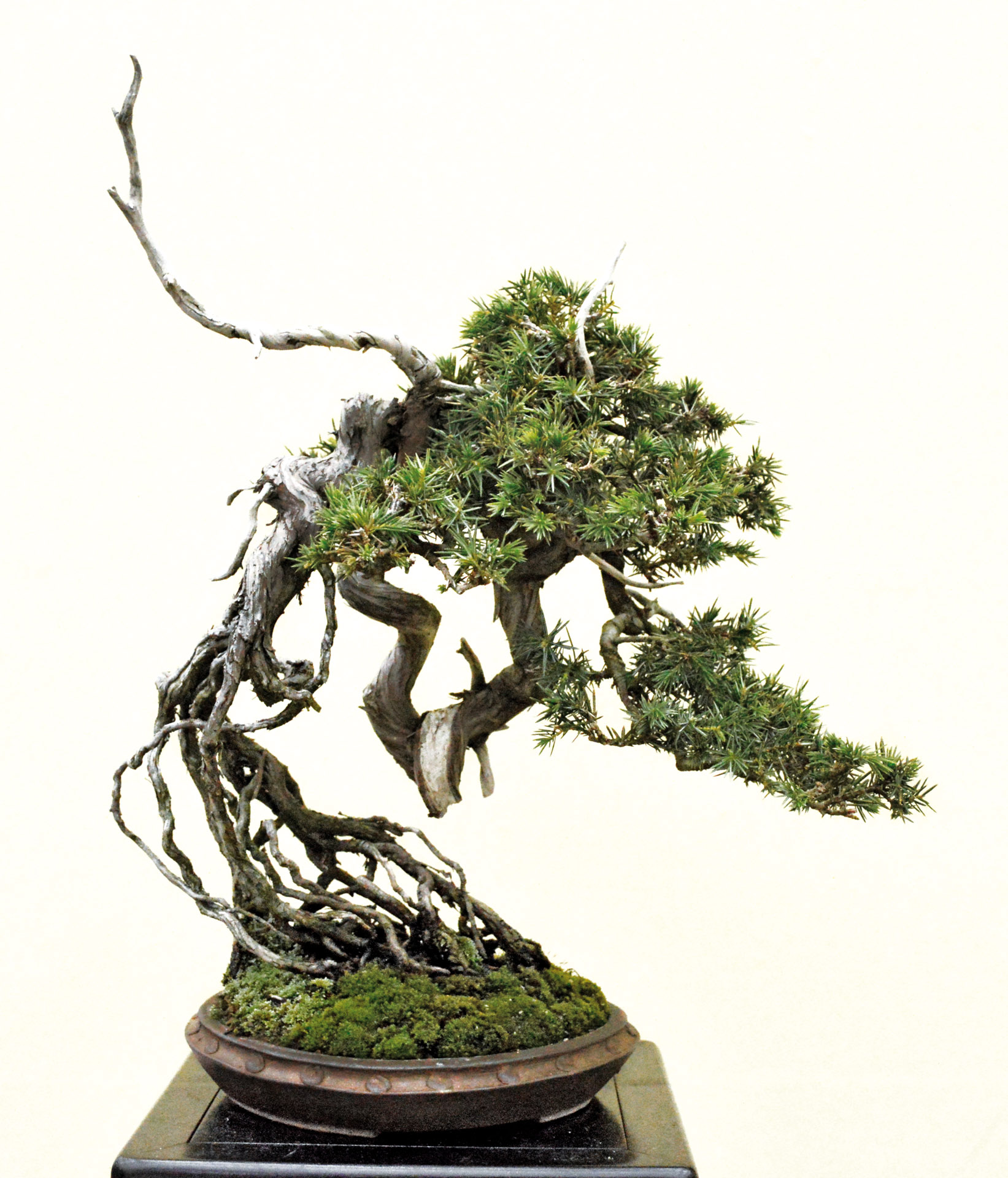
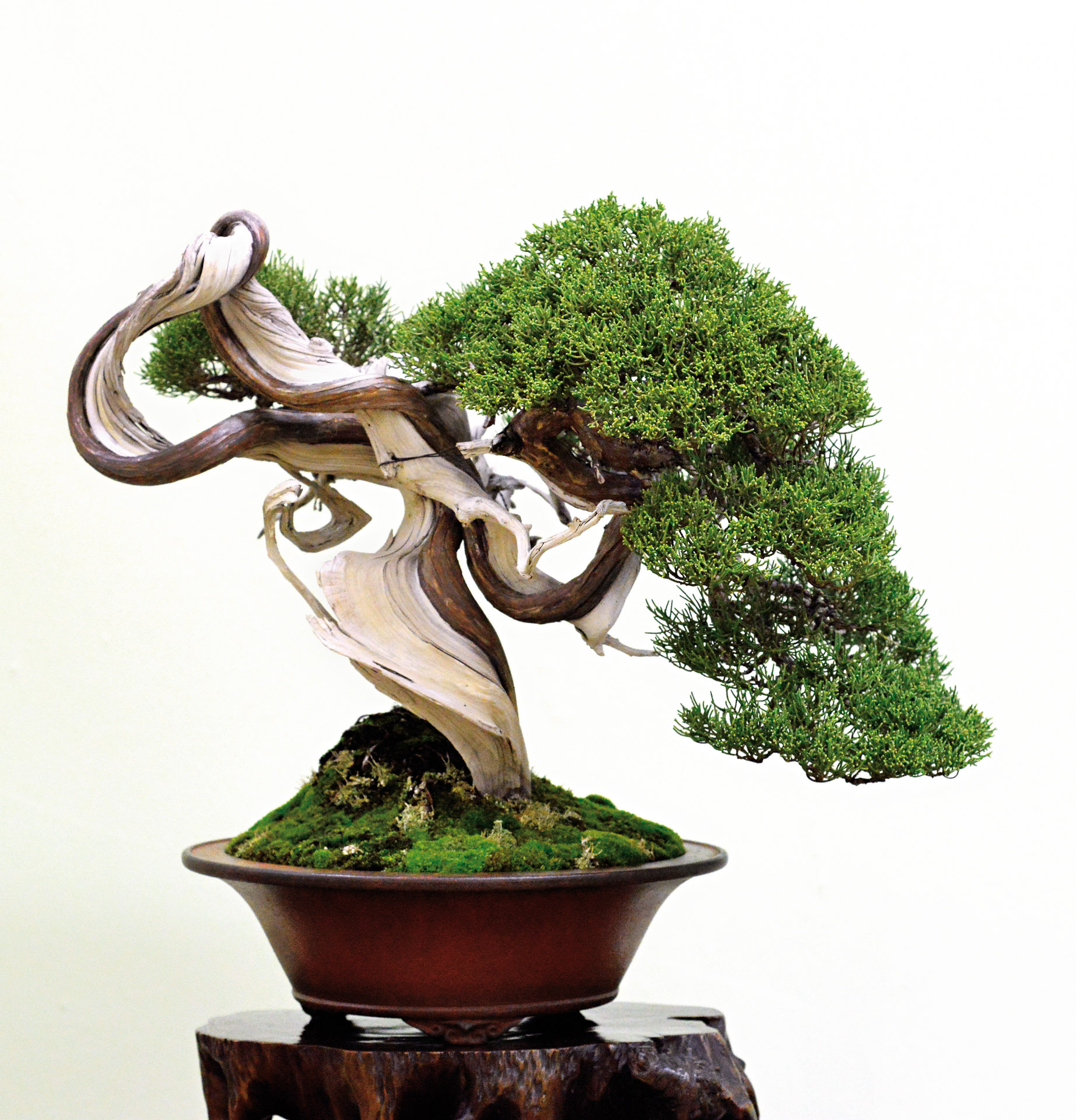
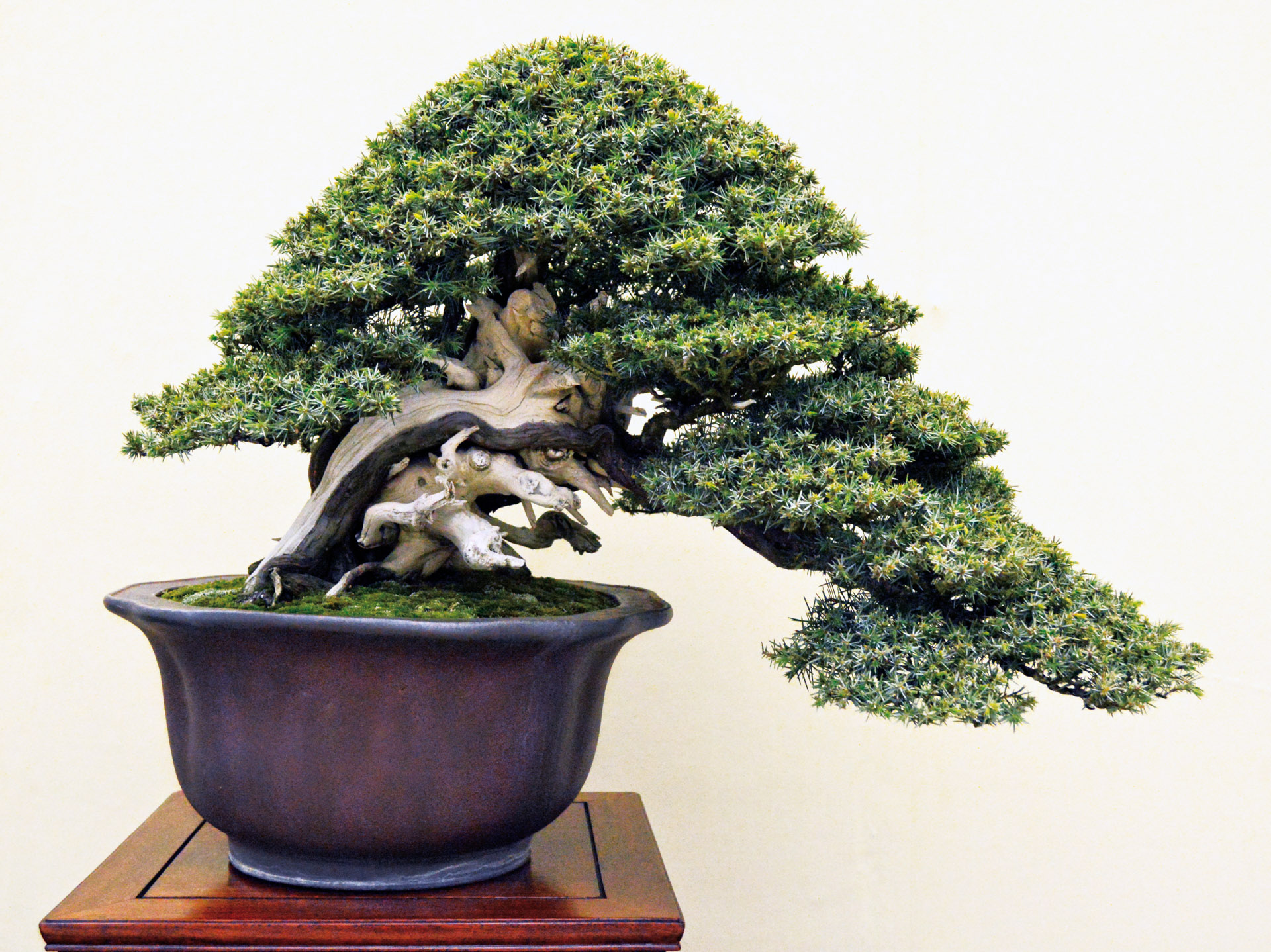
Shimpaku juniper is a staple species used for bonsai and seen at every major and minor exhibition in Japan. Of the Shimpaku displayed at the 32nd Taikan-Ten, though, this particular tree was a standout specimen. Styled by the young, Osaka-based bonsai professional, S. Toda, it received a chuhin award at the exhibition.
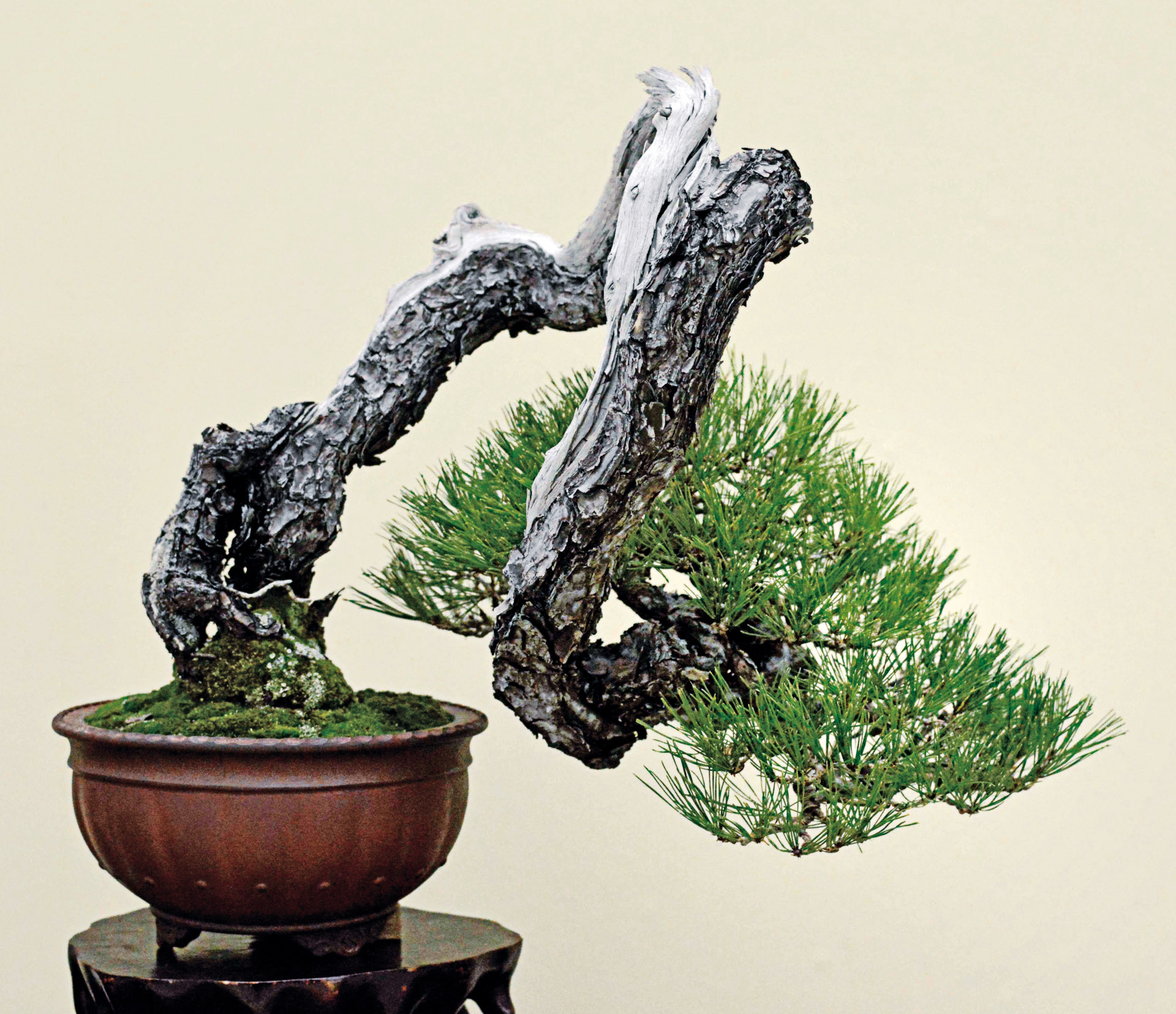
Japanese red pines, such as this example, express the beautiful contrast of Nature. The heavily contorted trunk, with its deeply fissured bark and white shari, is in stark contrast to the soft, feminine foliage that is so often linked with Pinus densiflora.
We use cookies on our website to give you the most relevant experience by remembering your preferences and repeat visits. By clicking “Accept”, you consent to the use of ALL the cookies.
This website uses cookies to improve your experience while you navigate through the website. Out of these cookies, the cookies that are categorized as necessary are stored on your browser as they are essential for the working of basic functionalities of the website. We also use third-party cookies that help us analyze and understand how you use this website. These cookies will be stored in your browser only with your consent. You also have the option to opt-out of these cookies. But opting out of some of these cookies may have an effect on your browsing experience.
Necessary cookies are absolutely essential for the website to function properly. This category only includes cookies that ensures basic functionalities and security features of the website. These cookies do not store any personal information.
Any cookies that may not be particularly necessary for the website to function and is used specifically to collect user personal data via analytics, ads, other embedded contents are termed as non-necessary cookies. It is mandatory to procure user consent prior to running these cookies on your website.
Send me the newsletter.
You can cancel your Bonsai Today membership at any time, and you will continue to have access to Bonsai Today through the end of your billing period. To cancel, go to the ‘Members‘ page and click on ‘Cancel‘ in My Memberships.