A precious suiseki displayed in a rather modern way
Suiseki is often said to be the second wheel of a bicycle, the other wheel being bonsai. It has more than 500 years of well documented history, when it was known as bonseki . . . and even more history earlier than this. A number of masterpiece stones are still appreciated today, their history is based on the chance meeting of people with a highly aesthetic sense and deep understanding of the spiritual aspect of stones and that they are more than they seem.
A severe coastline
A scene that transports us to a wild and severe coastline where waves crash and froth against the rocks. Ryugan seki develop an aged appearance only after a long period of careful use and appreciation. In this stone we can see 100 years of such care, giving this stone a wonderful patina.
Its journey was started by one of the most famous industrialists of Japan and here it is combined with a Nonbei suiban which has been part of many major collections in the suiseki world, Katayama Ichiyu, Aoyanagi Yoshiko and Yokoyama Uraku to name just a few.
‘Masterpiece objects choose the collector, not the other way around’ is a phrase often heard among the older statesmen of the suiseki and art worlds and both of these pieces are evidence of just how true that is.

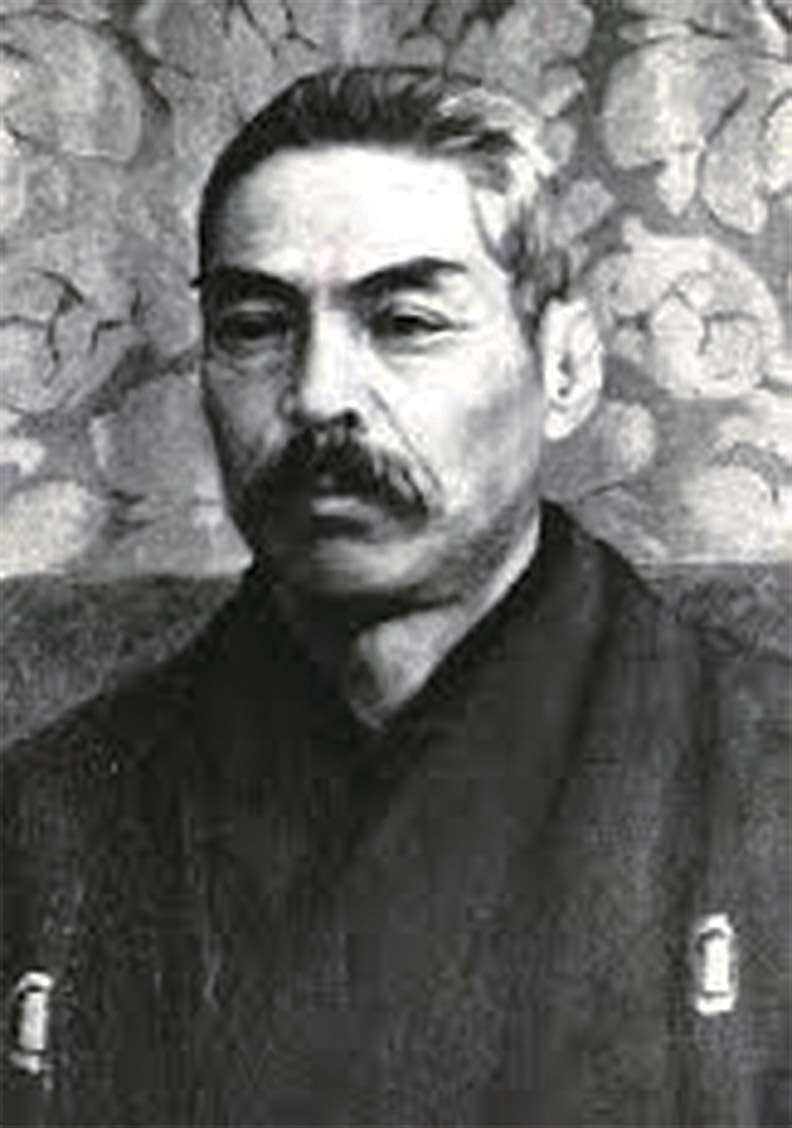
1851 - 1908 The younger brother of Iwasaki Yataro, the creator of the Zaibatsu. He became the 2nd leader of the Zaibatsu

1879 - 1945 The eldest son of Yataro and the 4th leader of the Zaibatsu
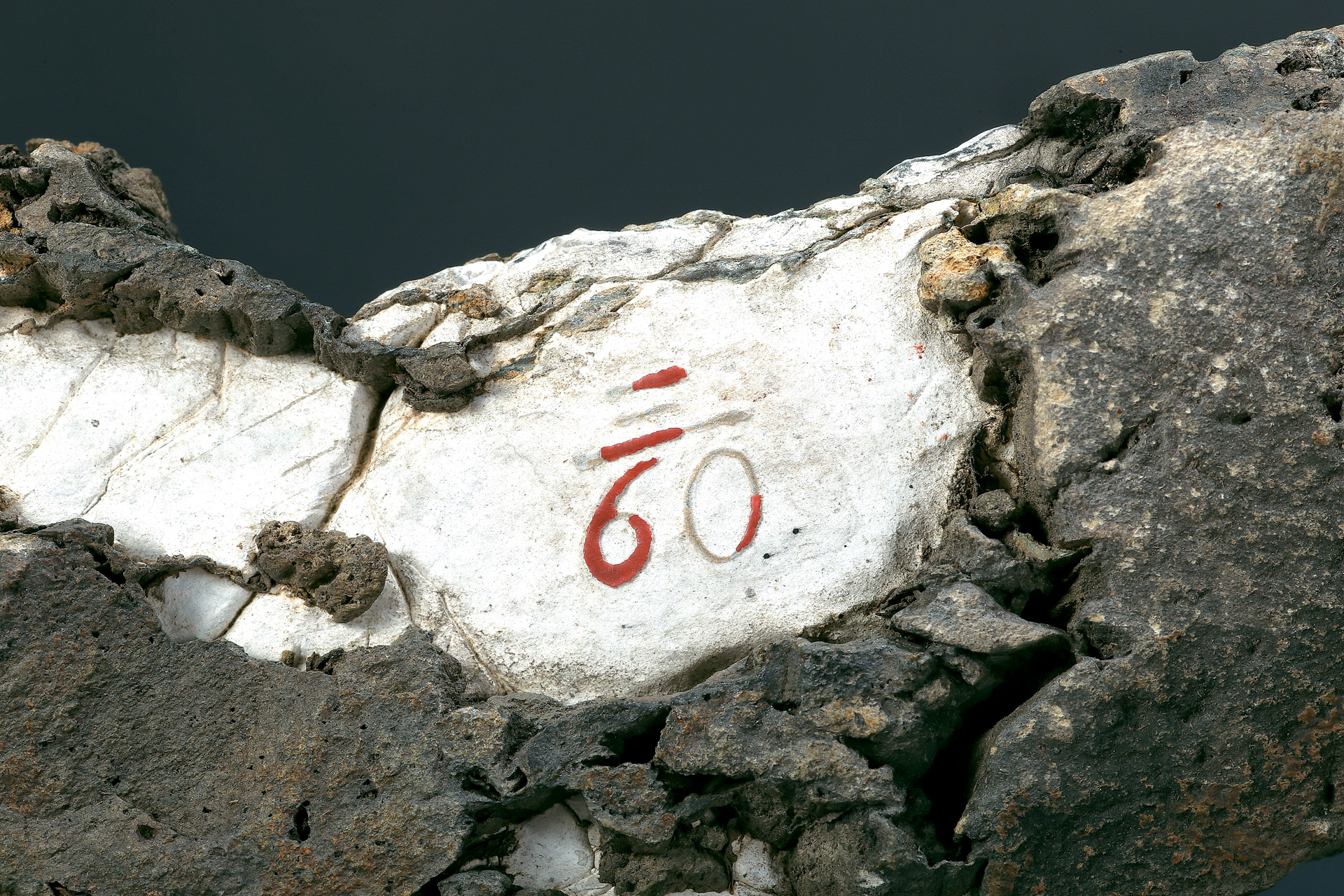
Famous stone
The stone we introduce here is one of the famous ‘Iwasaki numbered stones’ which are highly regarded within the suiseki world. It is displayed in a slightly more modern way in a suiban which captures not only the beauty of the famous stone, but of nature as a whole.
The scene created at once transports us to a coastline where we can feel the spray in the air as the waves crash into the rock. Displayed in this wonderful suiban they together combine to reach the epitome of suiseki.
The Japanese industrialist with a love for suiseki
The foundations of the modern Japanese industrial society were created by the powerful Zaibatsu, who were active from the end of the Edo period until the end of World War II. A Zaibatsu was a large financial and industrial group of companies run by a parent company. They exercised enormous control over Japanese business and policy. Mitsubishi, created by the Iwasaki family, was one of the big four.
Their influence was also felt within the bonsai and suiseki world with many of their trees and stones left over at the end of their power at the dramatic change in Japanese society after the cessation of World War II. The interest in bonsai and suiseki was passed on from generation to generation and the number of stones in the family collection increased. The origin of the numbering is said to have come from the passing of control to Yanosuke who had a good clear out of the family store room and decided to get everything in order.
In particular, the 4th generation Iwasaki family was heavily involved with bonsai and suiseki through his relationship with the Master of Kofu-en, Yoshimura Toshiji, who was recognised as one of the great bonsai craftsmen of the interwar period.
Iwasaki numbered stones all possess the kind of age and character that can’t be achieved through anything other than time. They are very highly prized by the suiseki community because of their beauty, but also for their history which is added to constantly by the quality of the enthusiasts who now appreciate the stones.
Note: The late Iwasaki Daizo, the bonsai collector and enthusiast, has absolutely no relationship in any way to the Iwasaki family mentioned here.