1st WBFF Regional Convention & PPBI Piala Presiden Bonsai & Suiseki exhibition
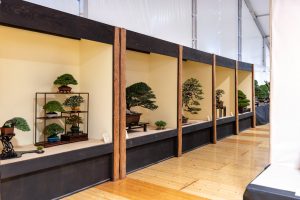
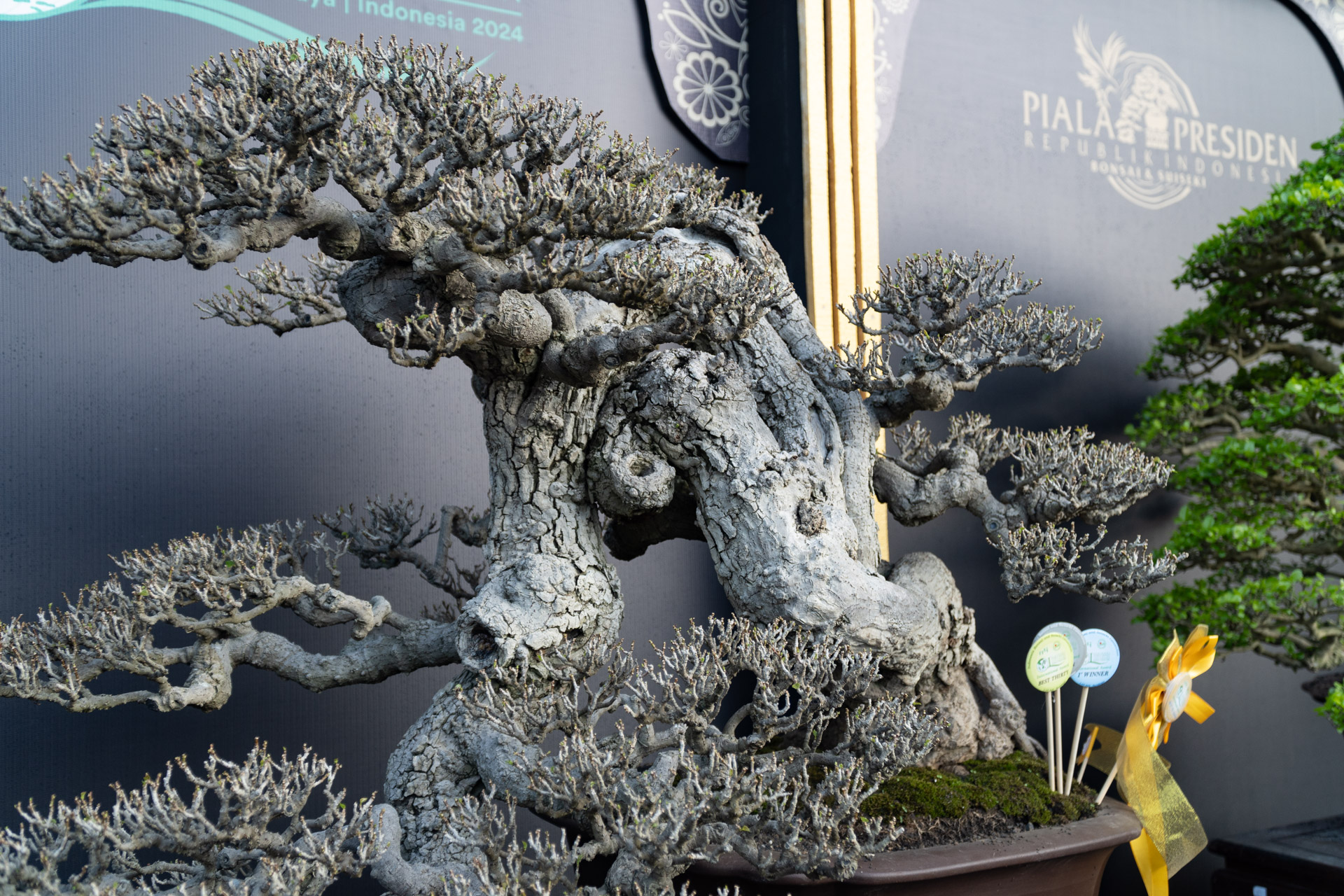
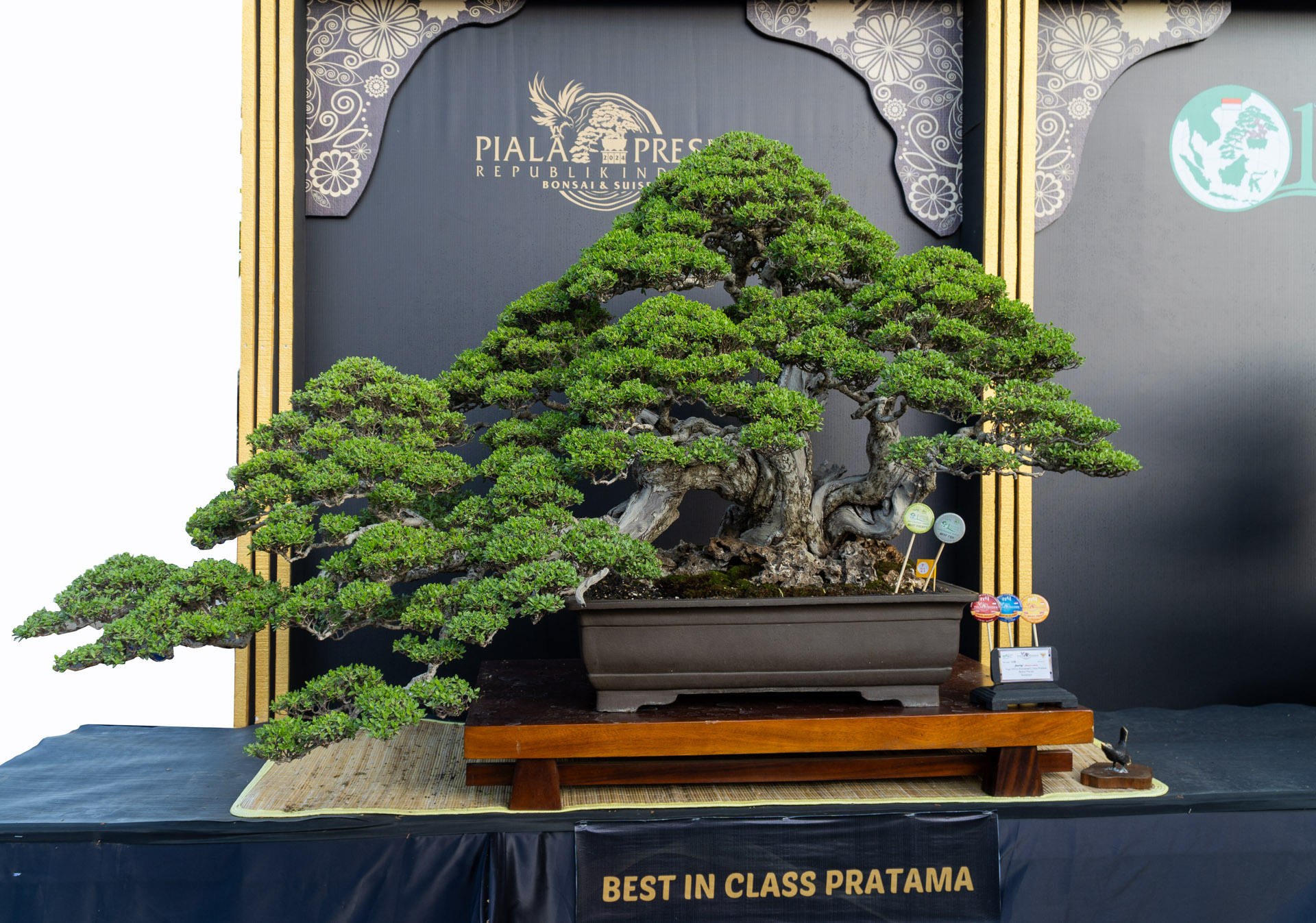
Oscar Jonker travelled all the way to Surabaya Indonesia, to indulge in more than 400 bonsai and suiseki, that were displayed at the first World Bonsai Friendship Federation’s Regional Convention. The massive number of trees on display was just a selection made from more than 1,000 submitted entries. Here you can see a small selection of the most excellent bonsai exhibited
Indonesia boasts a thriving bonsai community, with numerous clubs, societies, and exhibitions dedicated to the art — totalling a whopping 55,000 active members. Major locations such as Jakarta, Surabaya, and Bali host regular bonsai competitions and shows that attract both local and international enthusiasts. These events provide a platform for artists to showcase their work, exchange ideas, and learn from one another.
Known for its lush landscapes and for its rich biodiversity, Indonesia offers an ideal location for bonsai cultivation. Bonsai made its way to Indonesia in the early 20th century. It was introduced by Japanese immigrants and Indonesian locals who had studied the art abroad.
Over time, Indonesian bonsai artists have developed their own distinct styles, blending traditional techniques with local influences and natural resources. Indonesian bonsai often evoke images of wild jungles — branches cascading and intertwining — showcasing the resilience of tropical flora. I was deeply impressed with the powerful stories portrayed by these trees, which look vastly different from those we see here in Europe, the US, or Japan. In these differences one can find much to inspire Western practitioners.
Trees Indonesians like using as Bonsai
- Pemphis Acidula: Commonly found in coastal areas, a hardy shrub valued for its twisted, gnarled branches and tiny leaves, which create a dramatic, aged appearance.
- Premna microphyla: Admired for its small, delicate leaves and smooth, pale bark. Premna microphyla is often used to create intricate, artistic bonsai designs.
- Wrightia religiosa: Also known as the water jasmine, cherished for fragrant white flowers and graceful, slender branches.
- Casuarina equisetifolia: Known as the Australian pine,, features needle-like foliage and a unique, textured bark. It is well-suited to coastal areas.
- Ficus microcarpa and retusa: Known for its small, glossy leaves and for its intricate root systems, Ficus microcarpa is a versatile species that can be shaped into various bonsai styles.
- Streblus asper: With its rough, textured leaves and rugged trunk, Streblus asper is ideal for creating rugged, natural-looking bonsai. It is often used to depict ancient, windswept trees.
- Carmona microphylla: Also known as fukien tea, popular for its small, dark green leaves and tiny white flowers. Carmona microphylla is a versatile species that can be shaped into a variety of styles.