
The bonsai passion of Sam Tan
Only a first purchase and an hour conversation with the nursery assistant caused Sam Tan from San Francisco, to become hooked on bonsai
Your professional education?
I gained a Bachelor of Arts in Computer Science in 2014 following a four-year undergraduate programme at Dartmouth College. This led to becoming a Security Software Engineer, where I specialize in the developing of the internal tools and infrastructure protecting tech companies and their products from hackers. I like to describe this as creating ‘spell-checkers for security’, ensuring that vulnerabilities are identified, prevented and fixed.
How did it all start?
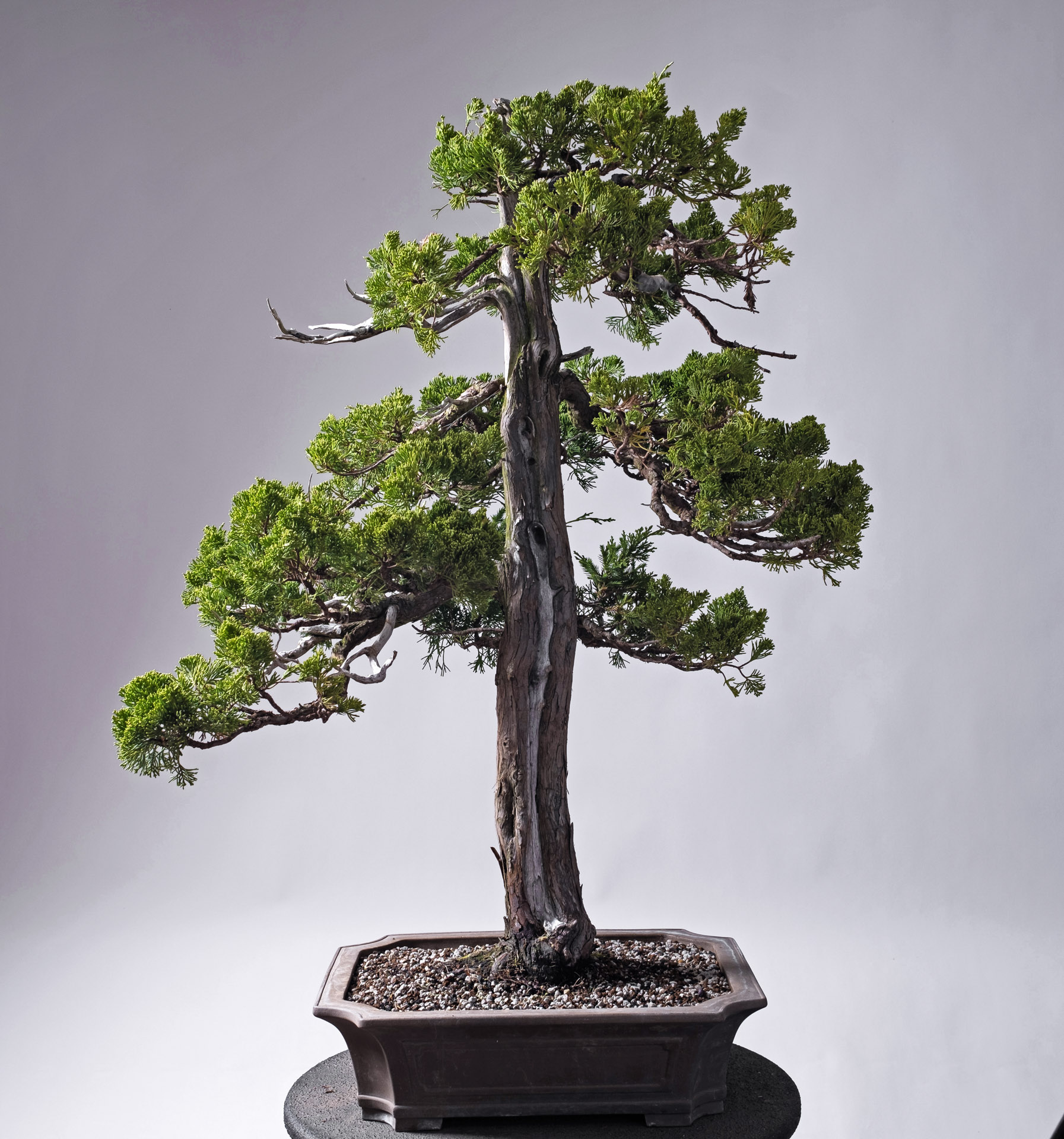
My bonsai journey began at Grove Way Nursery in Hayward, California, where I purchased my first bonsai tree. What started as a quick question to the nursery assistant about juniper care turned into an hour-long conversation about bonsai cultivation — and I was hooked. I had to learn more.
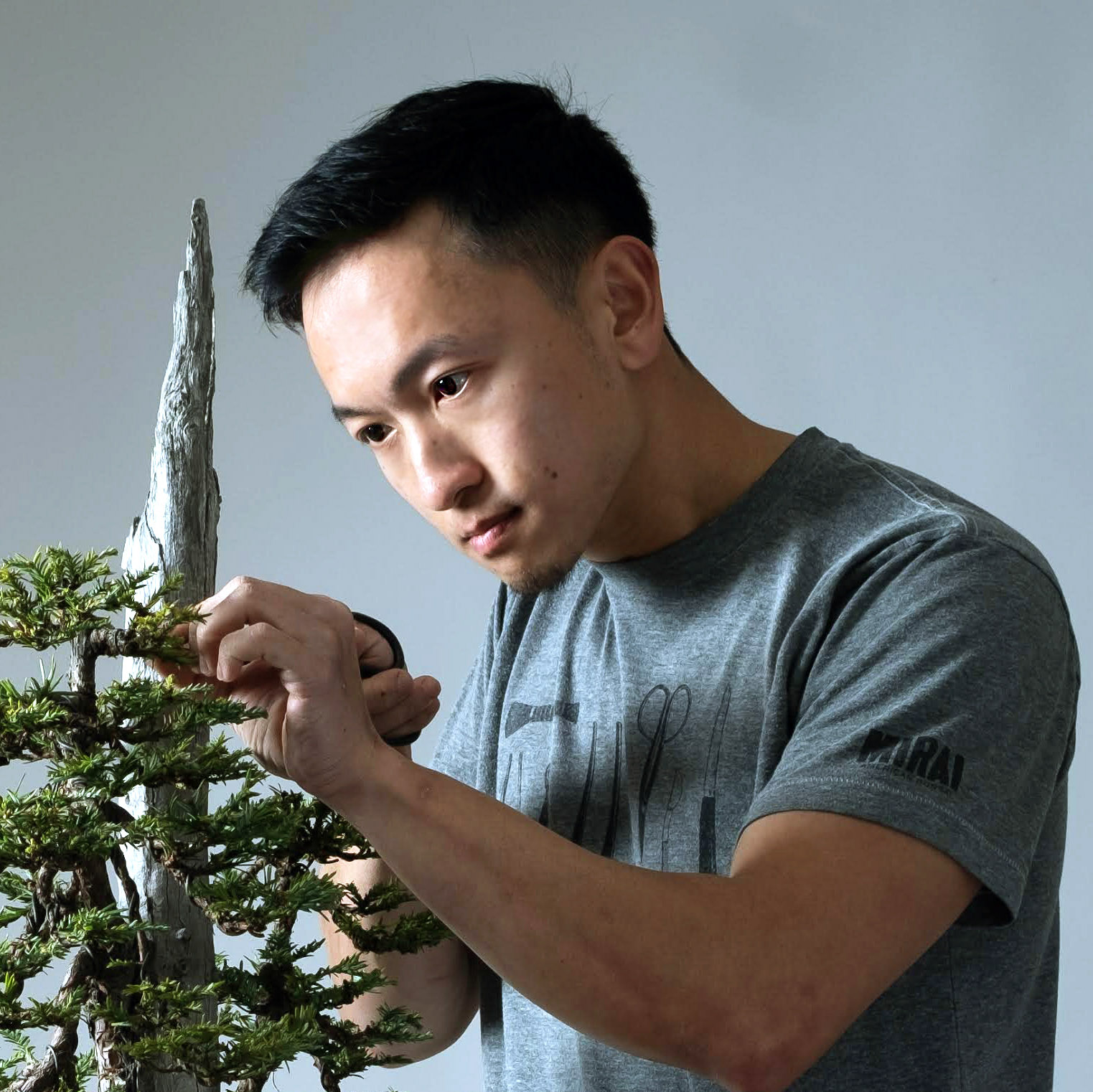
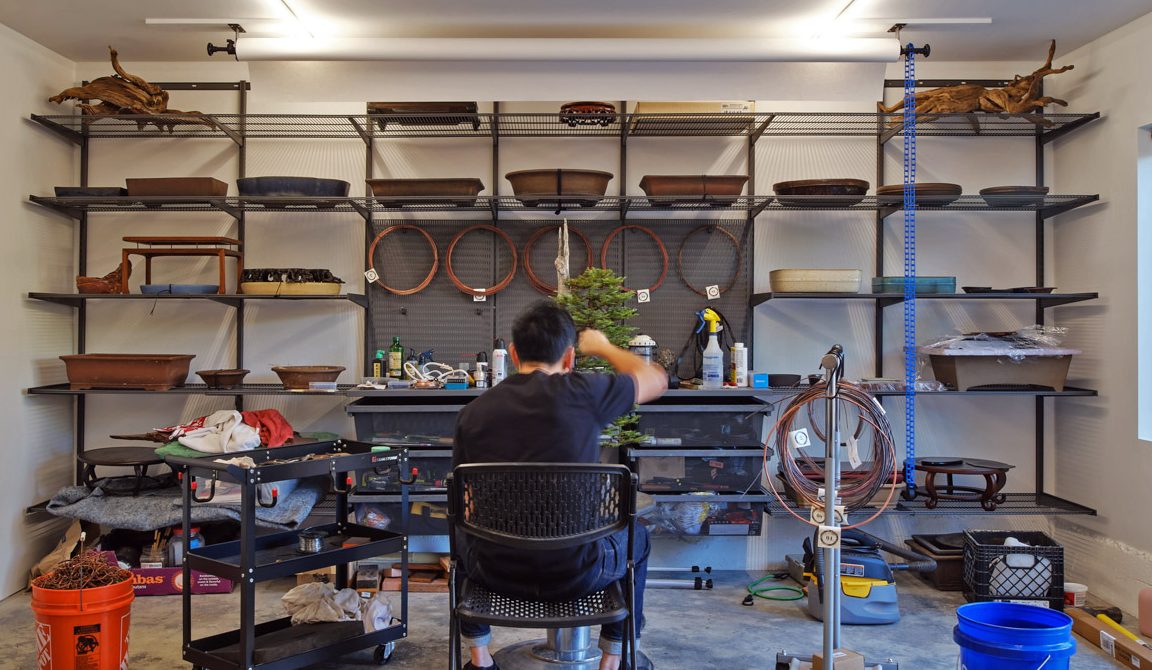
What I’ve come to love most about bonsai is the tactile experience of working with my hands. It’s something I’ve always enjoyed — from studio art classes in high school to wood turning in college — but it’s rarely possible to do in my day-to-day job in software. There’s something deeply rewarding about creating with my hands.
How did you acquire the skills?
I was taught bonsai primarily by Ryan Neil of Bonsai Mirai. In 2019, I completed a three-month live-in internship at his garden, immersing myself in intensive study and practice. Since, I’ve returned to his garden multiple times to assist and further refine my craft. Before studying with Ryan, I attended workshops with Jonas Dupuich of Bonsai Tonight and with Michael Hagedorn of Crataegus Bonsai.
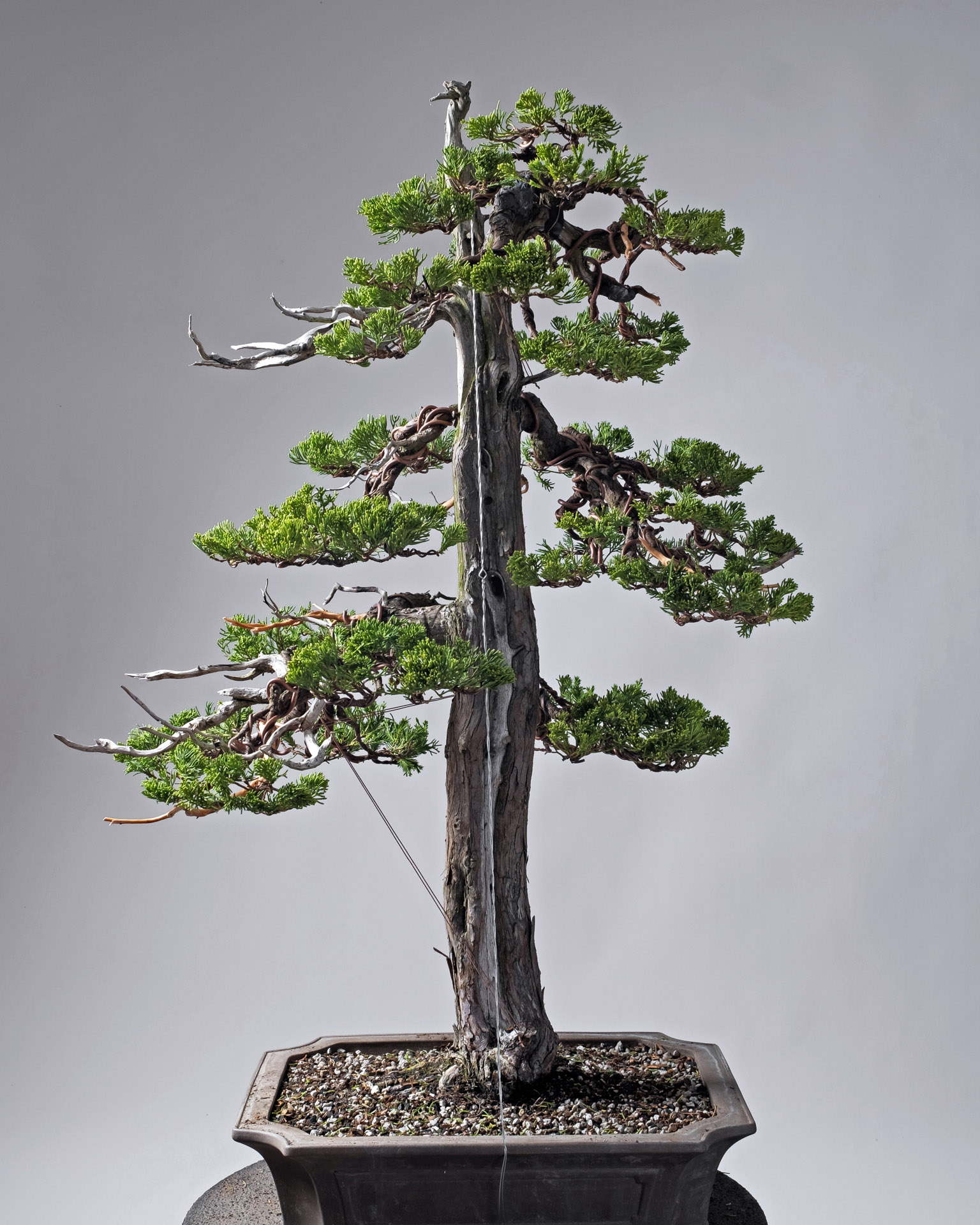
The most important thing that Ryan taught me was his intentional approach to bonsai design. He showed me how to manipulate several elements of a tree — such as pad size, negative space, and apical orientation — to create interesting, engaging compositions. This framework, combined with his techniques, has empowered me to bring out the best in the trees I work on.
Any plans to go to Japan?
At the moment, I have no plans to do so.
Your thoughts on bonsai
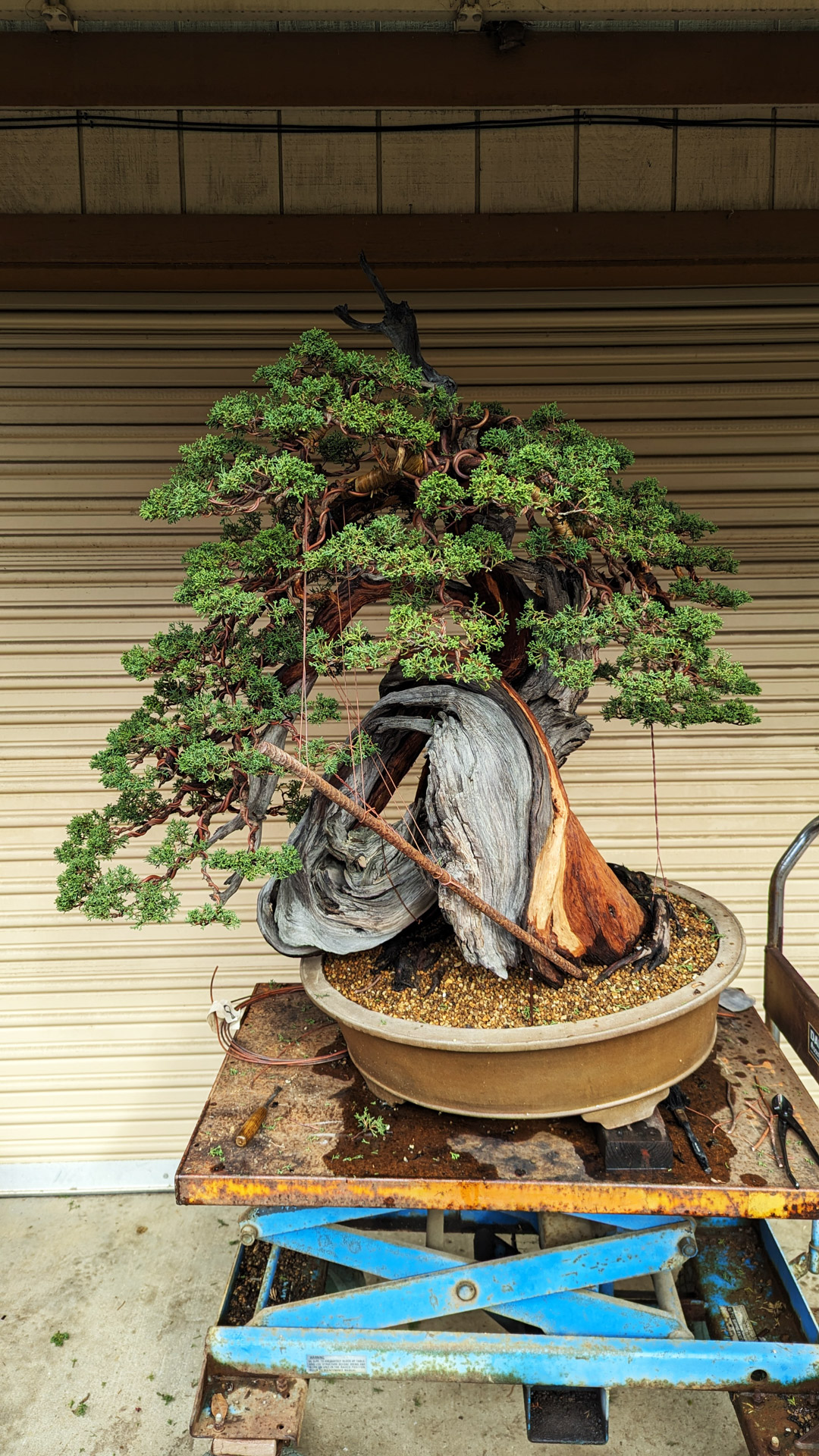
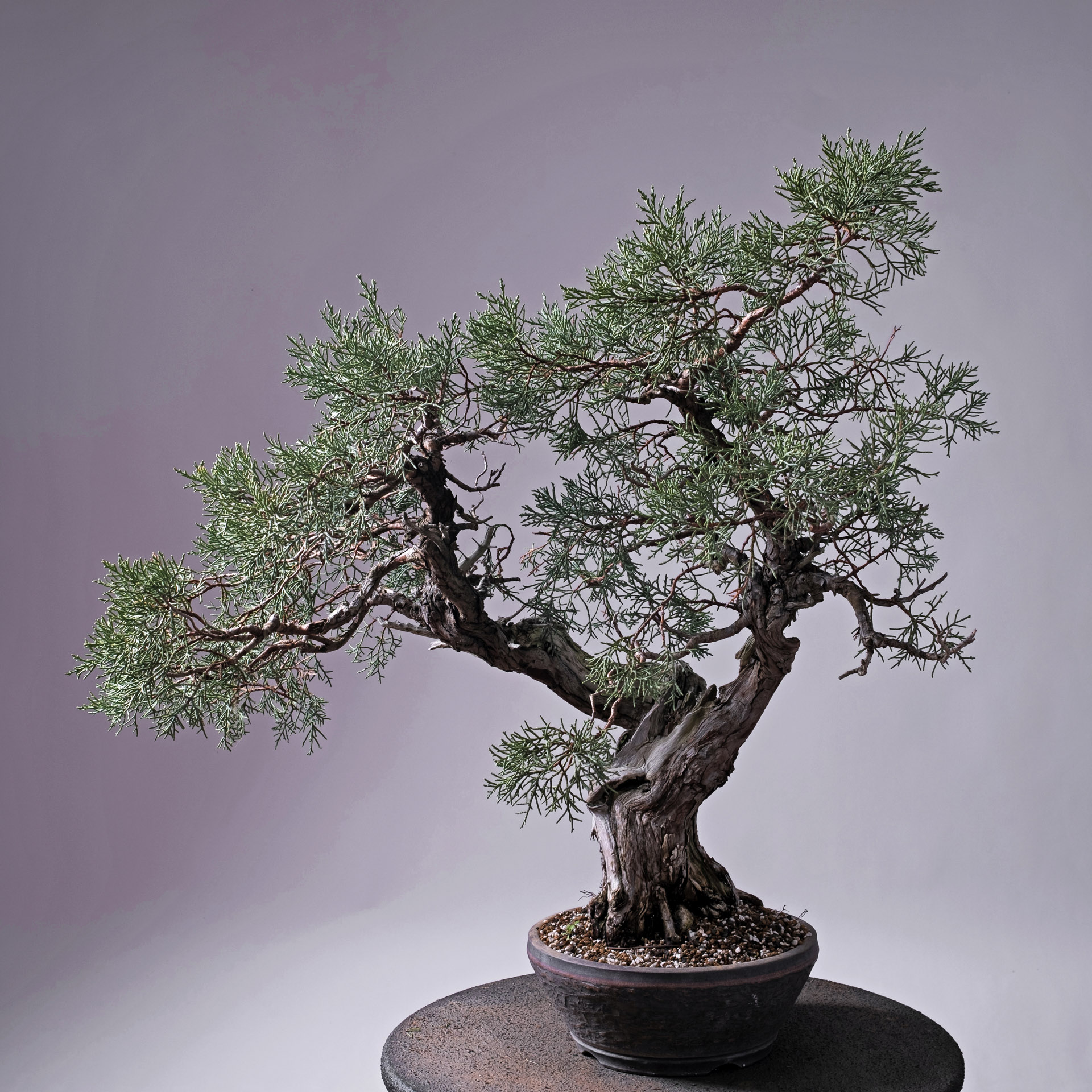
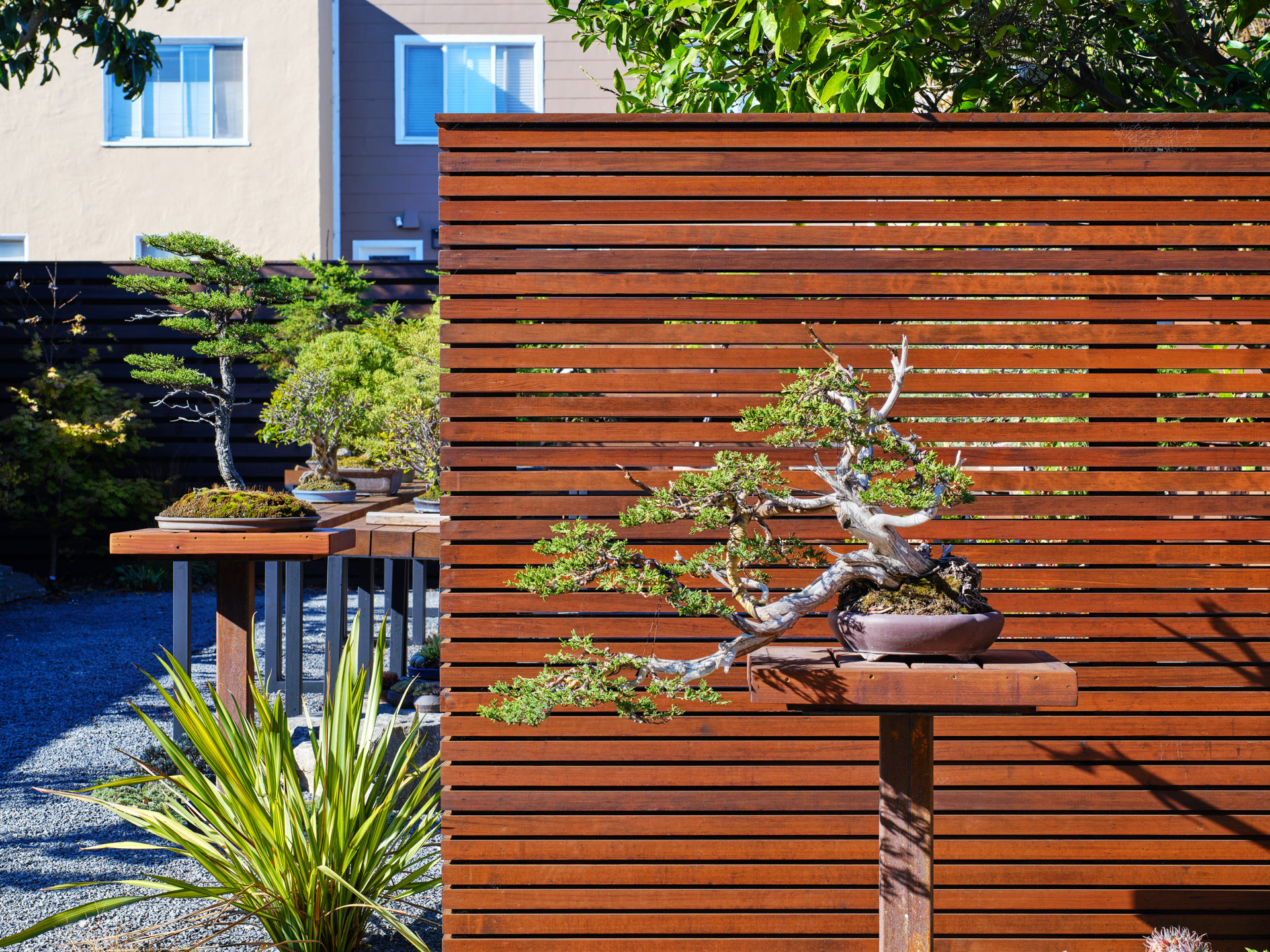
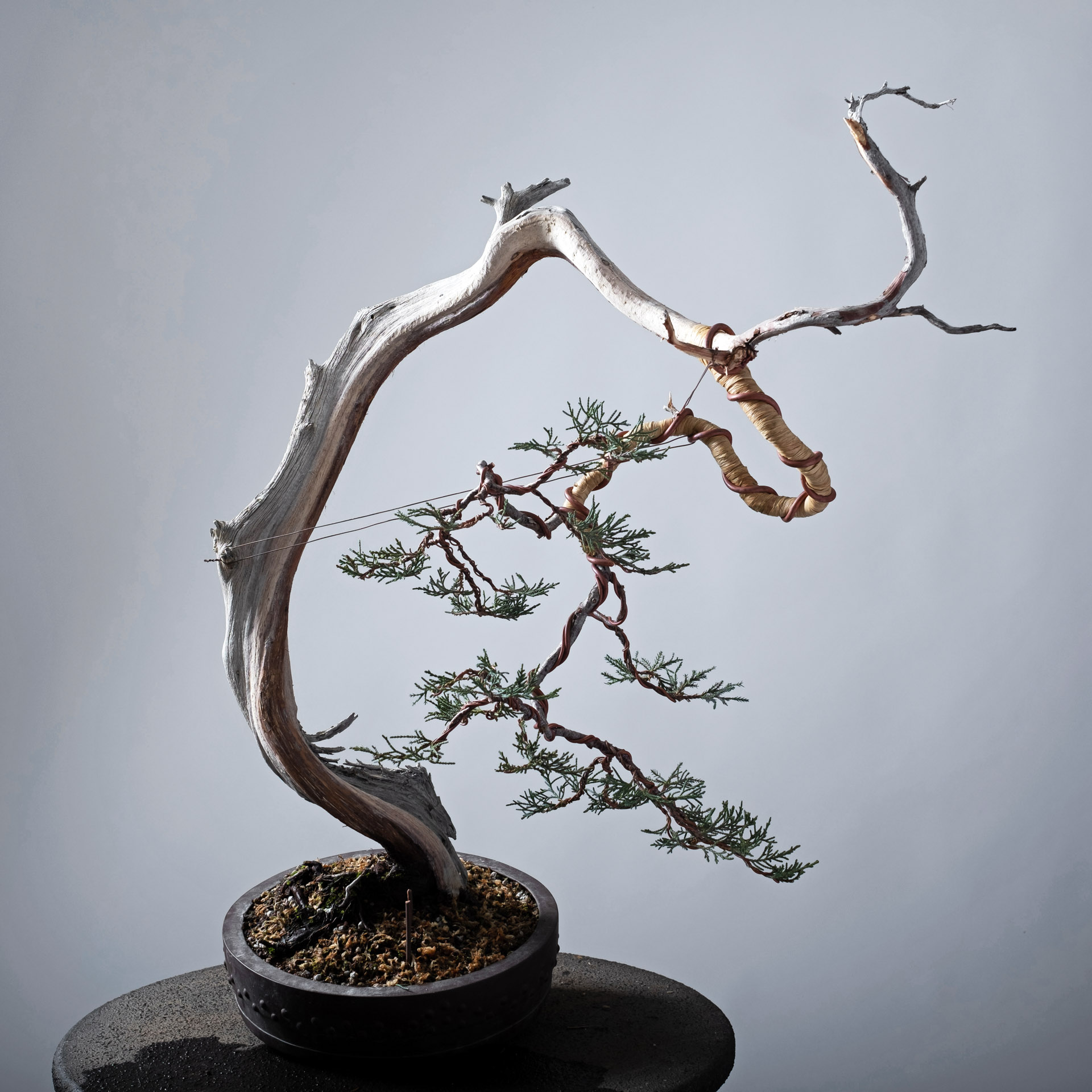
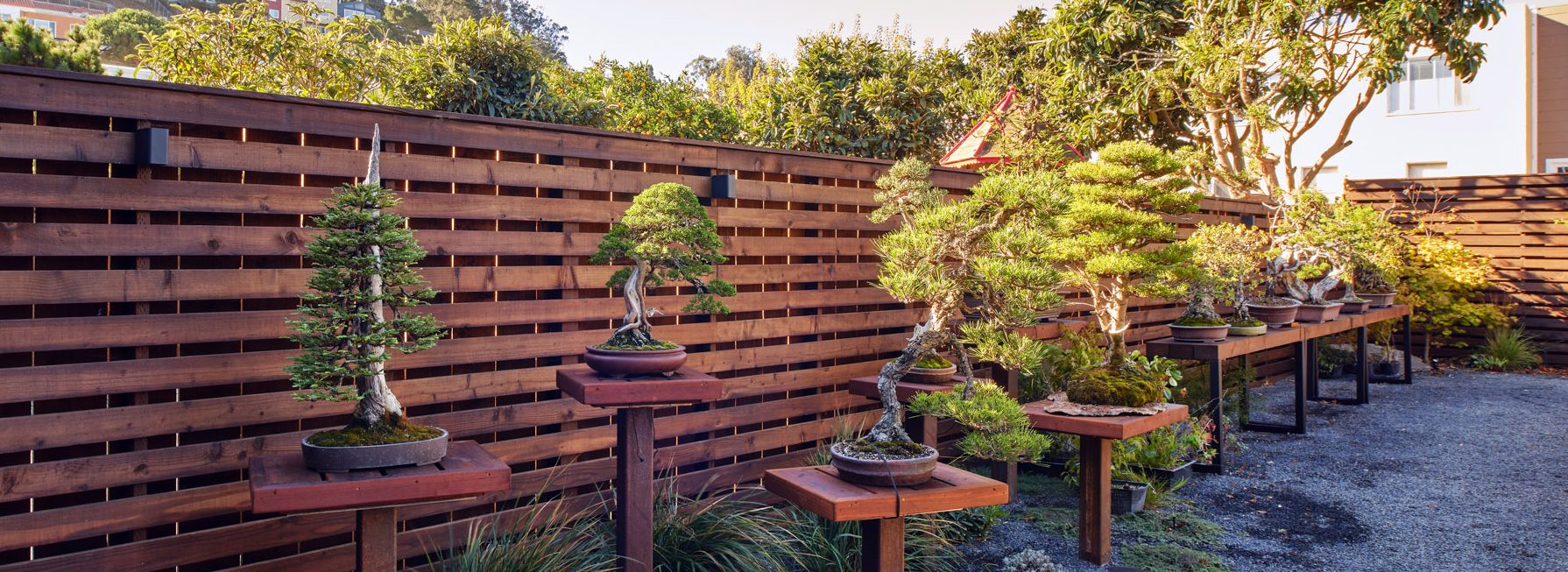
I strive to create bonsai that are both unique and visually captivating. I find beauty in the quirky features of my trees and focus on showcasing them rather than ‘fixing’ them. As I often say, I’d rather create an exceptional unconventional tree than make a mediocre classical bonsai.

My favourite bonsai is usually the tree that recently came off my turntable
Sam Tan
Any other interests or hobbies besides bonsai?
Before I discovered bonsai, my passion was dance. I specialize in ‘Popping’, a style I’ve practiced for nearly 20 years. In college, I founded and taught a dance group focused on this art form. I’m also a member of an old-school popping crew from San Jose, California, with whom I’ve performed and competed at local and international events over the past decade. I don’t dance as often now, but I remain connected with my crew and the dance community.
Which trees do you most like to work on?
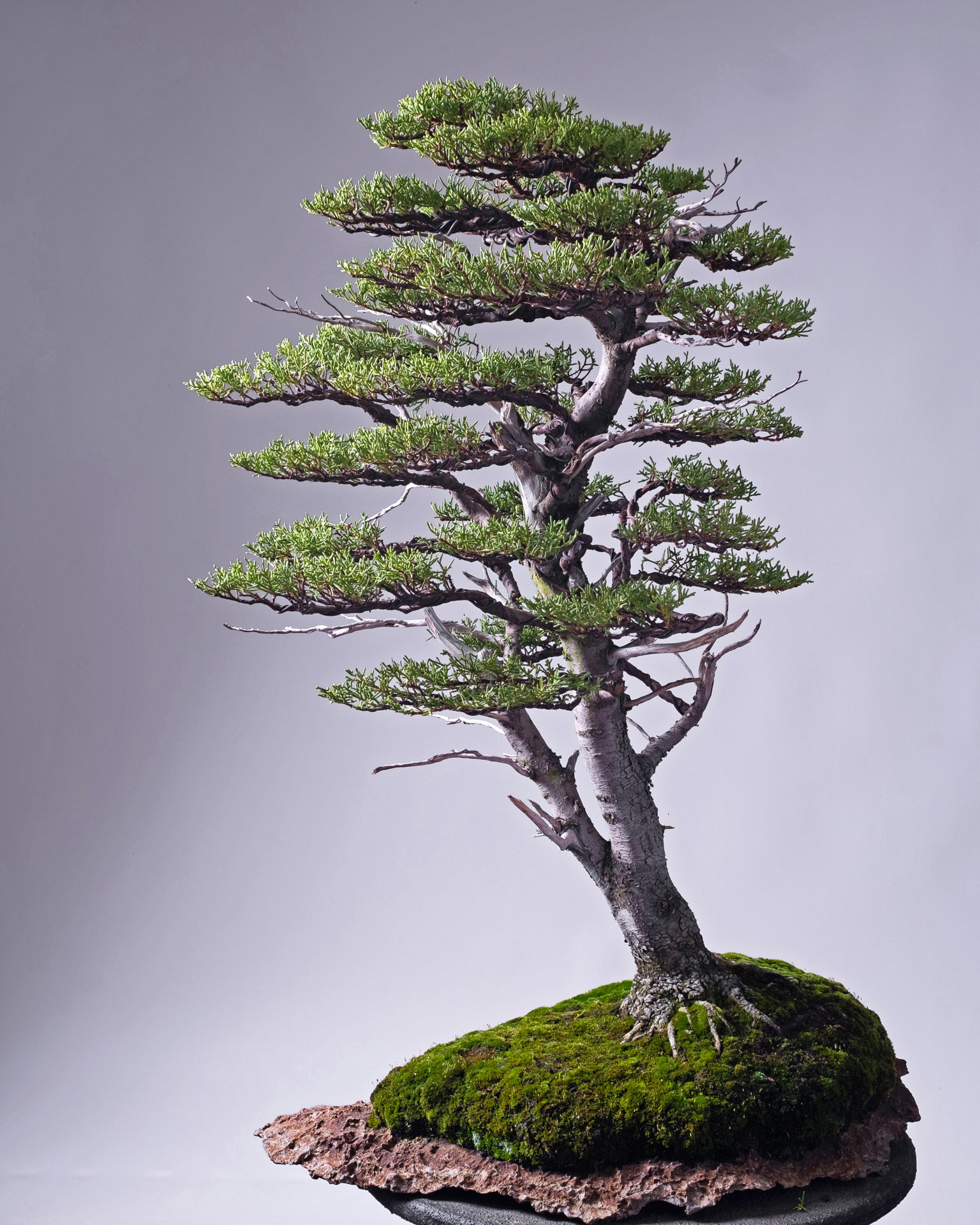
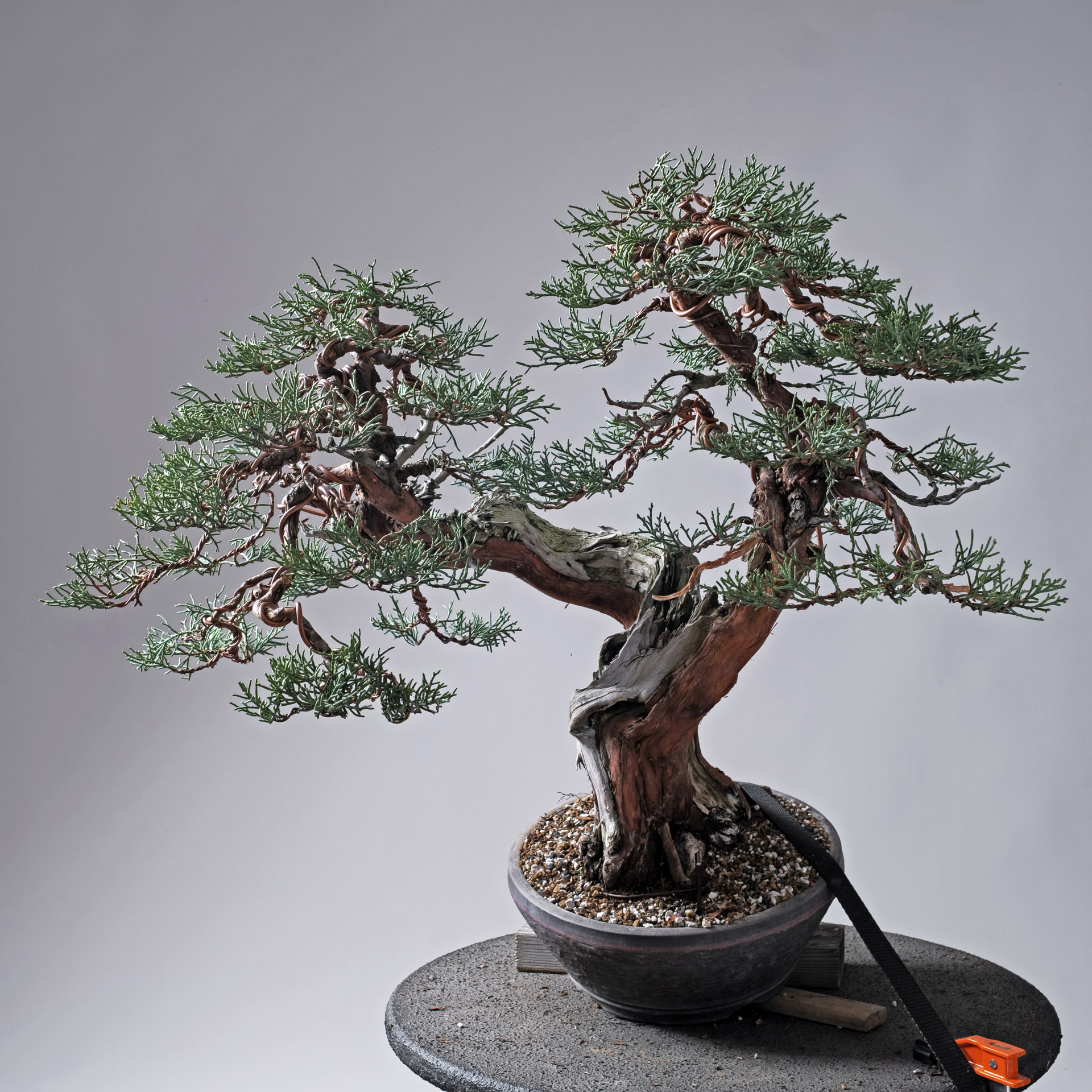
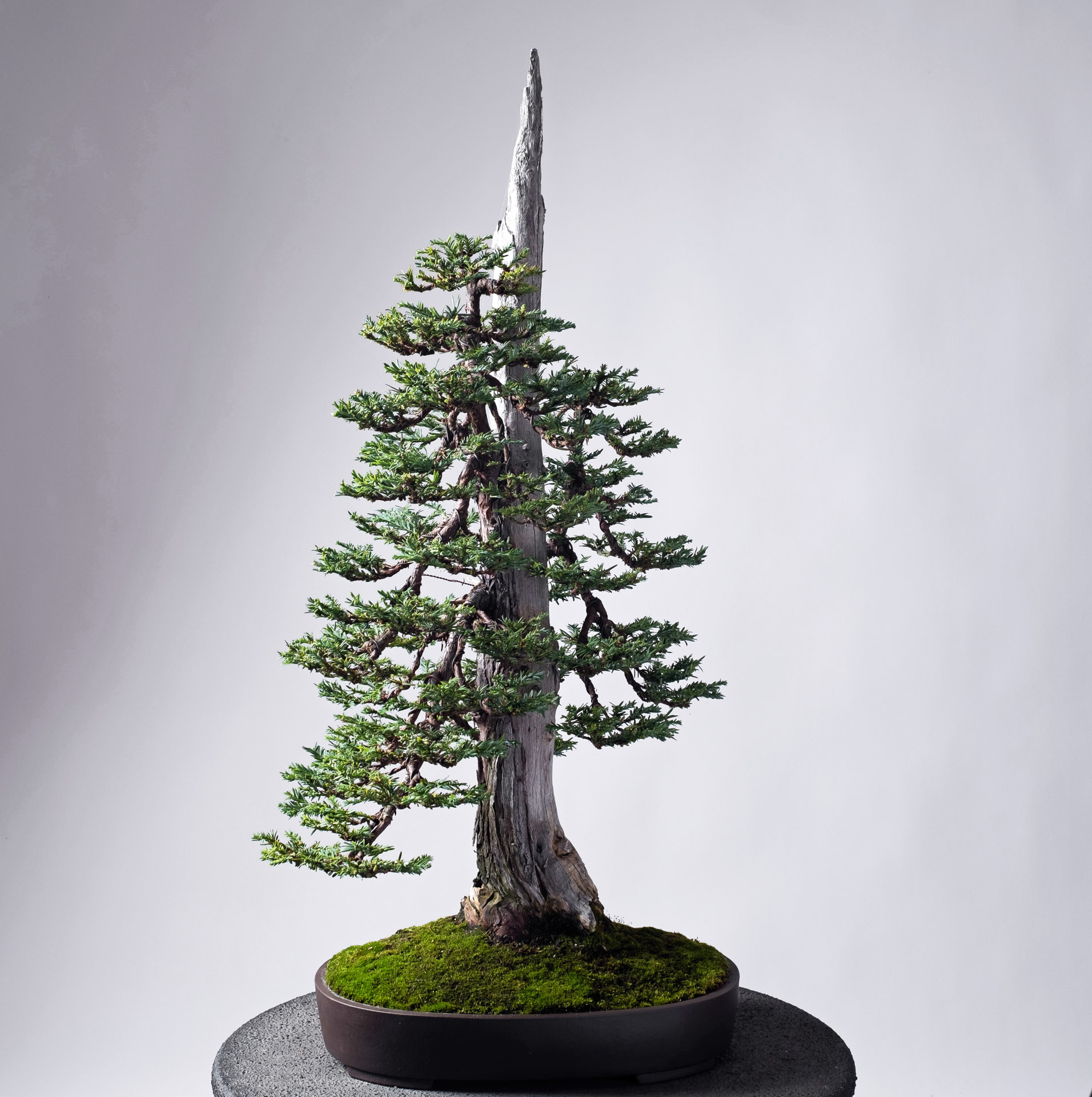
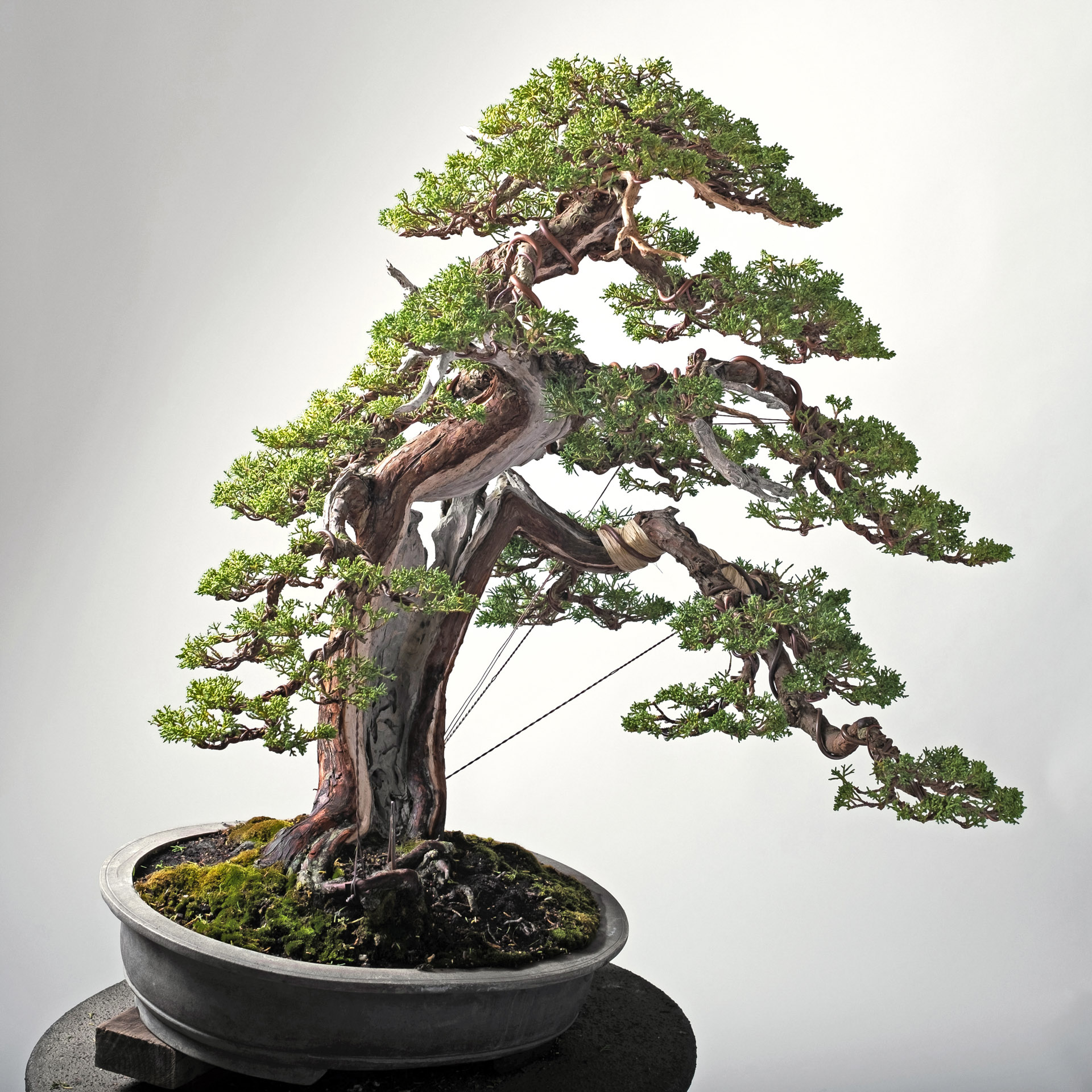
My favourite tree is probably the pygmy cypress (Cupressus Pygmaea). There are three reasons I became fascinated by this tree. First, the aesthetic, and botanical similarity to the iconic Monterey cypress made them a perfect subject for creating naturalistic compositions that remind me of my favourite vistas of the Northern Californian coastline.
Second, material was for me accessible and affordable, allowing me to find and work on several specimens when starting my collection. Lastly, I enjoy the creative process of working with slender, elongated forms of collected pygmy cypresses. I have to pay a lot of attention to spacing, lines, and visual flow to bring out the best in the material.
Do you have a favourite bonsai?
In my own collection, my favourite is usually the tree that most recently came off my turntable. Outside my collection, I am a huge fan of Kimura’s juniper, Toryu-no-mai. Its power, dynamism, and provocative design are just exceptional. Combine these qualities with the story of cutting-edge techniques behind its creation, justly make it a truly extraordinary tree in my eyes.
Your worst mistake?
Early on in my bonsai practice, I killed an old Seiju elm that I ground-layered and separated. I suspect that rough handling during separation and poor aftercare killed the tree. That experience taught me never to take any horticultural operation for granted.
What is your best achievement?
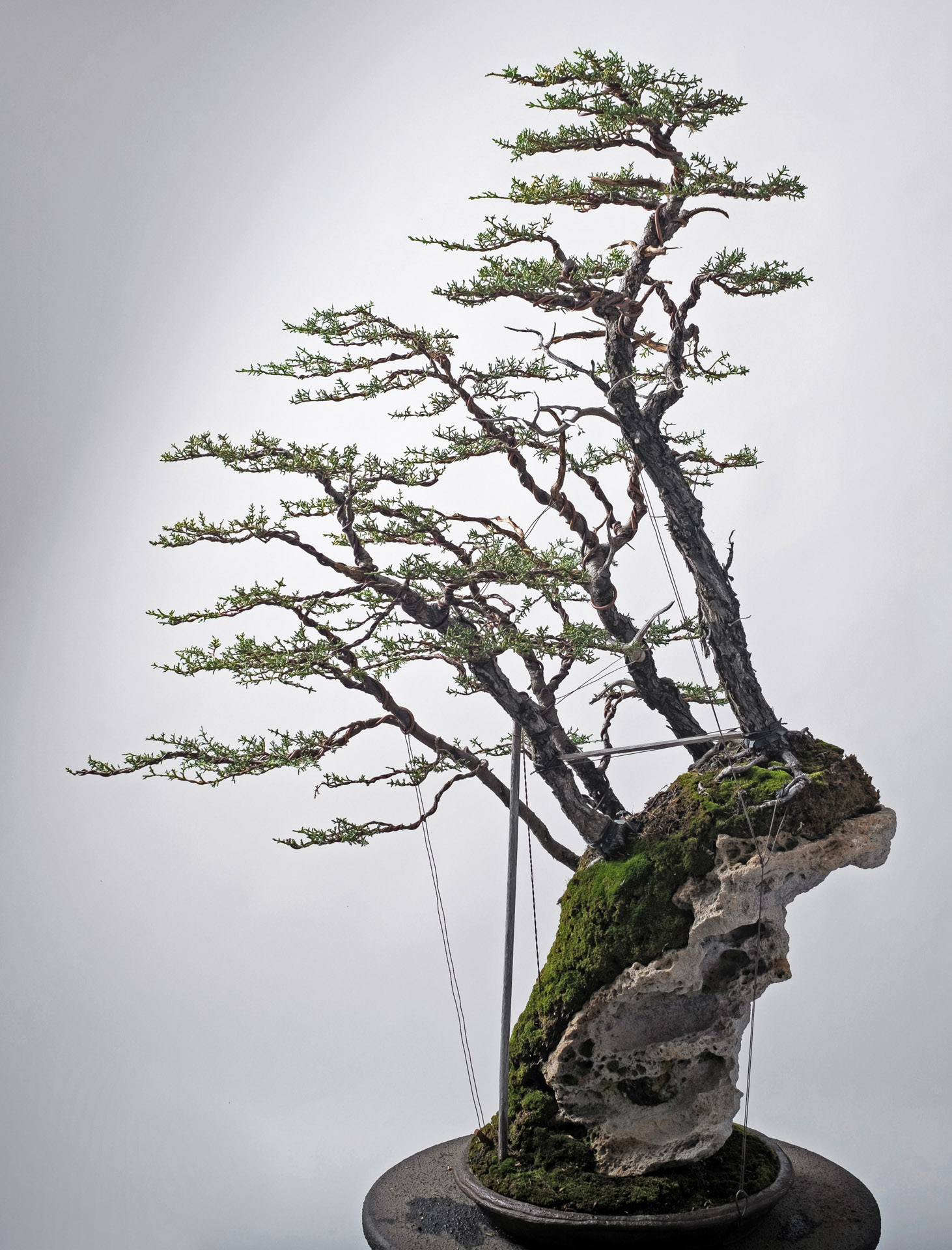
Planting four collected pygmy cypress on a cantilevered lace rock that is planted in a pot. This composition was my attempt at creating my own version of Ryan Neil’s iconic pygmy cypress forest. Creating the composition was a lot of work; the aftercare was challenging as well. Now that the trees are established and styled, I cannot wait to develop and mature them.
Your dream comes true when...
Once I get to spend a majority of my time working on bonsai with like-minded members of the community.
Do you favour the Japanese or Western bonsai style?
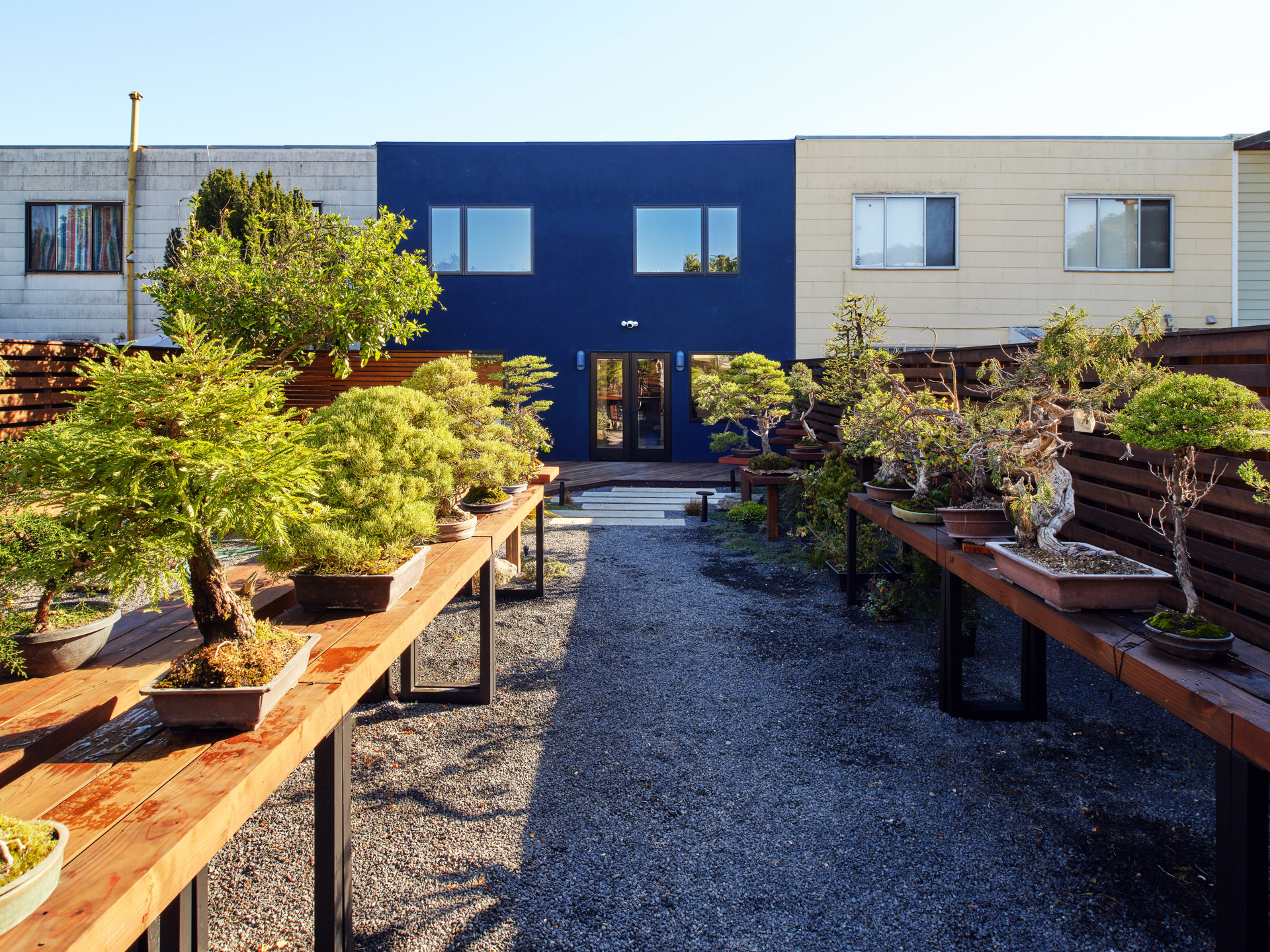
I think of my work as ‘American’ bonsai because I was trained by an American professional, and I work primarily with collected North American trees. And I embrace aesthetic principles that seem more prevalent in the American bonsai community than in Japan. In particular, I like the greater degree of naturalism expressed in the bonsai here.
There is much I enjoy about Japanese bonsai. I greatly admire the ‘less is more’ aesthetic and the deep appreciation of imperfection and age. I love the sense of calm and contemplation a well-executed traditional display evokes. I still have much to learn about incorporating these principles in my own bonsai and garden.

There’s something deeply rewarding about creating with my hands
Sam Tan

Sam Tan (35)
- Born in: Singapore, 1989.
- Partner: Jeanne Tseng.
- Education: Bachelor of Arts in Computer Science, Dartmouth College.
- Profession: Security Software Engineer.
- Into bonsai since: 2017.
- Favourite species: Pygmy cypress (Cupressus pygmaea).