



Propagate
From cuttings or layerings

Placement
Ideally, the tree should be placed in full sun, except in July and August (especially for the cuspidata) where a mid-shade exposure will keep the foliage green. For the cuspidata, it is better to protect it from severe frost.

Watering
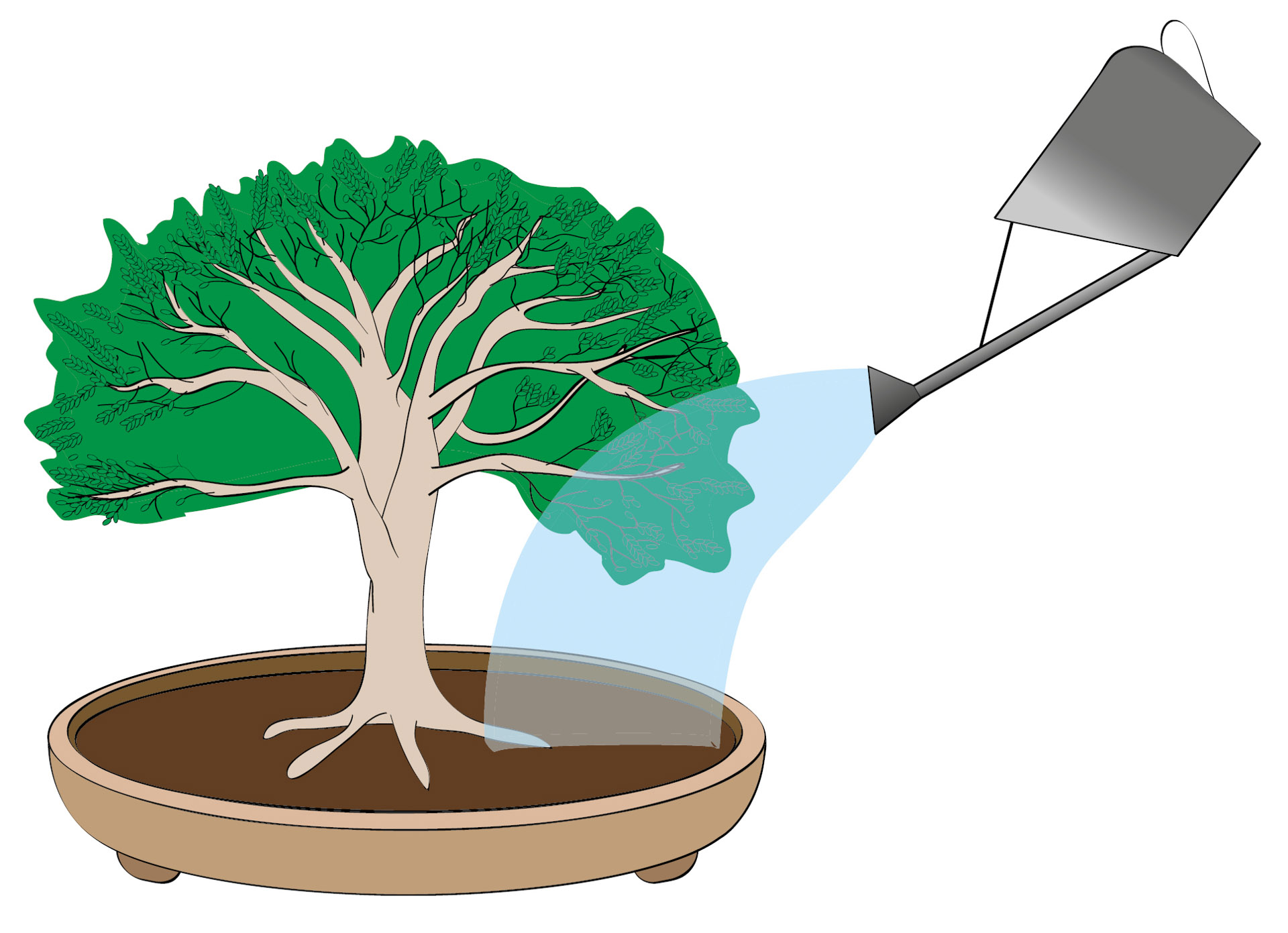
Yew trees like humidity, but are rather susceptible to root rot: well-drained soil and generous watering will do the trick.

Fertilizing
Yew is a fertiliser-hungry plant. Chemical fertilisers are not recommended. Organic fertilisers are preferable, from spring to autumn: permanent pellets, liquid on the root ball every fortnight and apply foliar fertilisers every two weeks.

Repotting
It is not necessary to repot often, as long as the root ball is well aerated, everything is fine. Repot gently, as the yew does not like severe root pruning. If it suffers after repotting (needles turning grey or worse, brown, anaemic growth), put it in a warm, damp greenhouse or outside in the shade in a transparent, airtight plastic bag after spraying the foliage — not the root ball. Even better, put a heating mat under the pot. After 10 days, the tree will have recovered. It must be free draining: 50-60% gravel, the rest akadama.

Diseases and insects
It is advisable to treat the foliage with different fungicides regularly, especially if you live in the country. And treat in autumn, before wintering the trees. It is also a good idea to use a systemic insecticide as a preventive treatment against mealy bugs. If you wait until the mealybugs appear on the tree before treating, the tree is already weakened by the mealybugs and can invade it very quickly. In addition, contact insecticides will not have an immediate effect.


