
Propagate
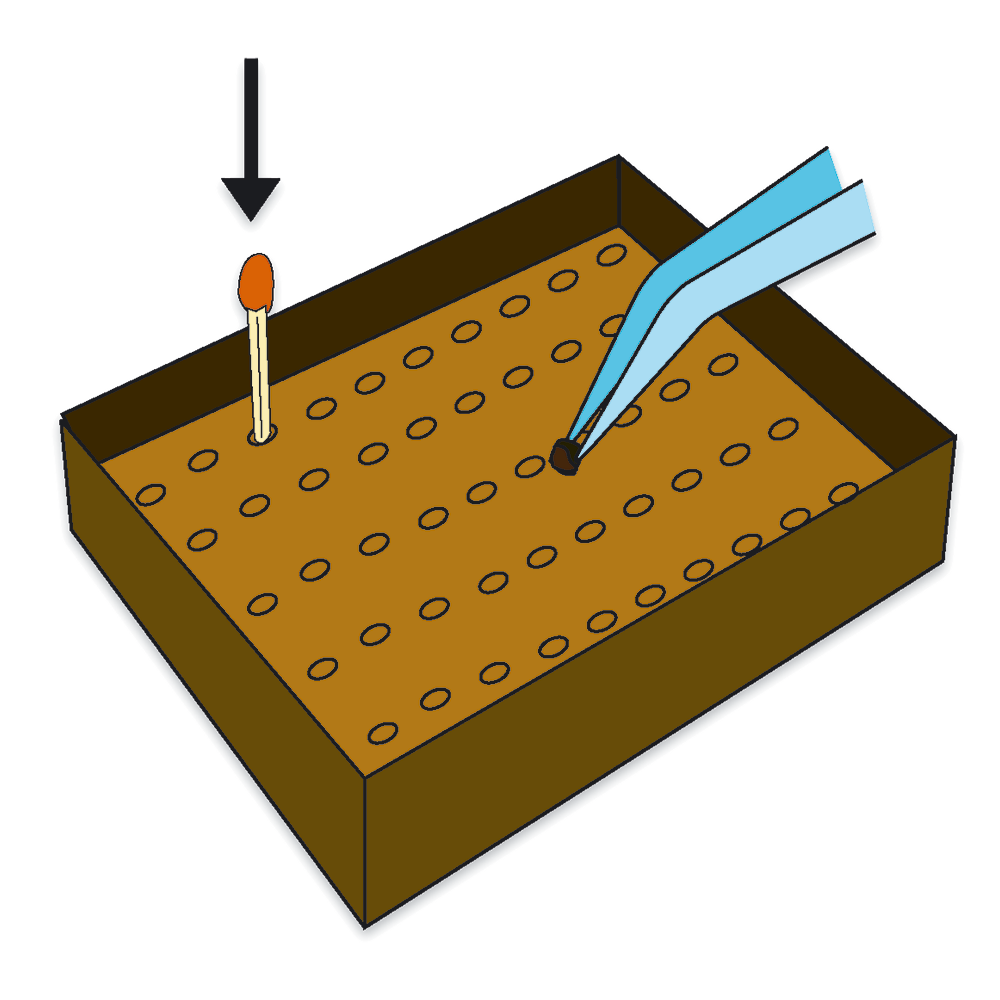
From cuttings or airlayering
Placement
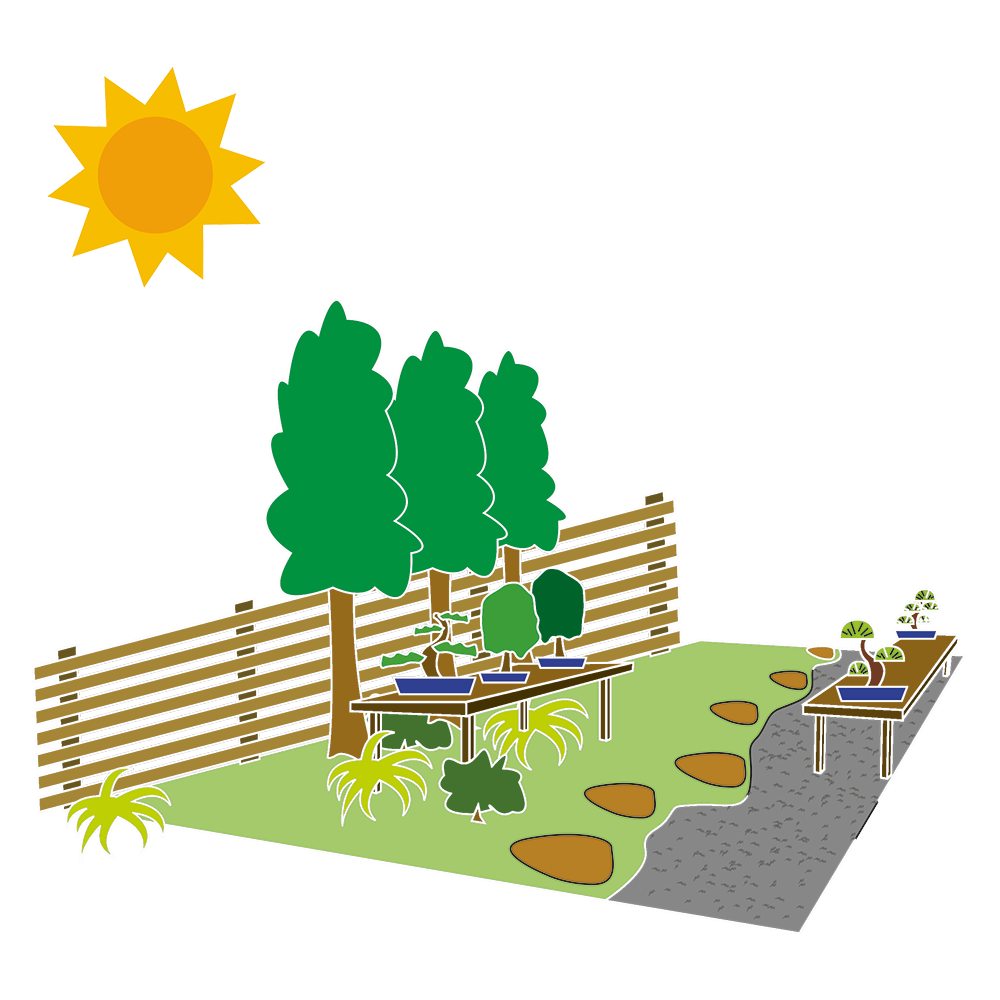
In general, the Pseudotsuga likes a sunny place, although in very hot summers it needs semi shade to protect from sun burn.

Pruning
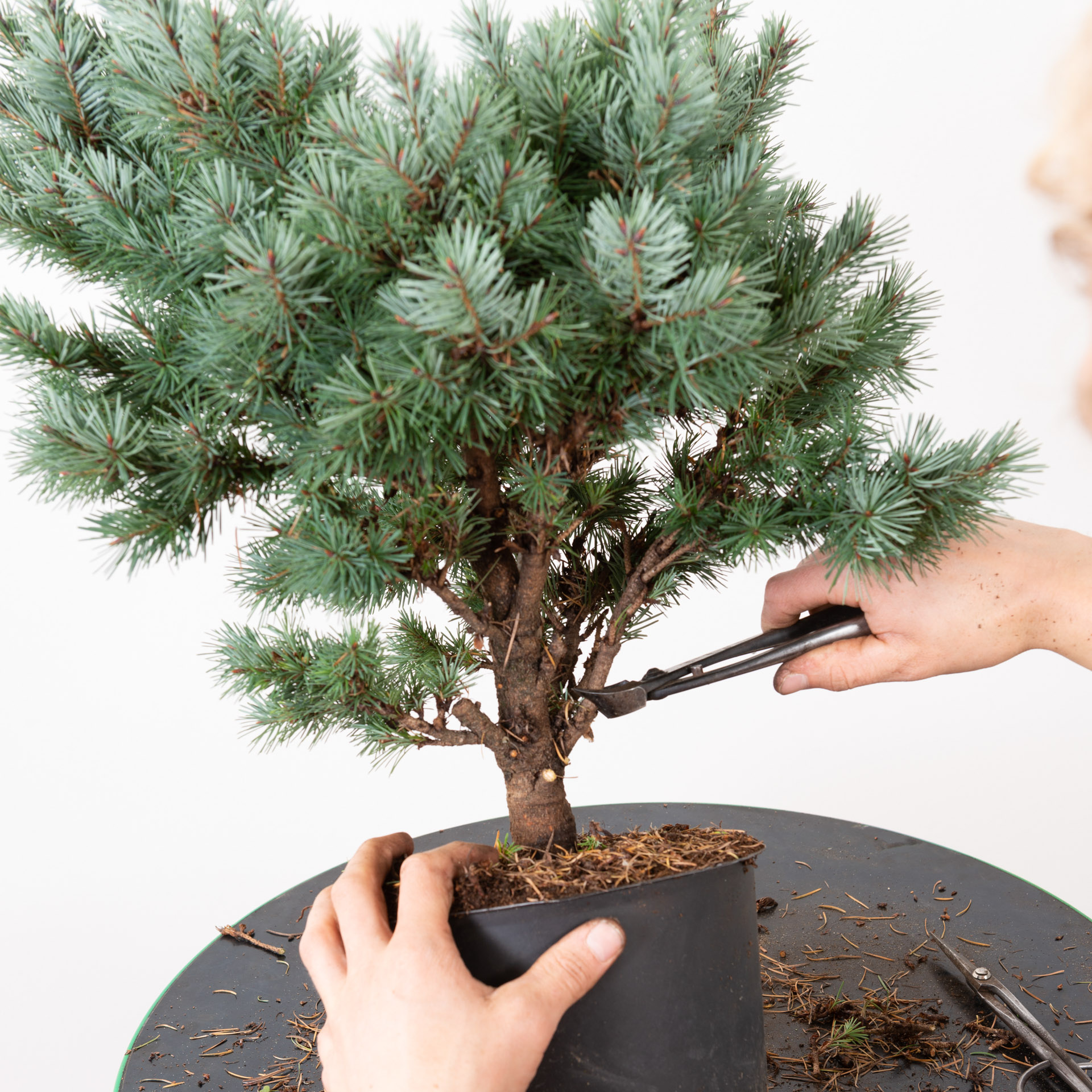
For pinching, allow new growth to elongate to 3 - 5 cm. If you want branches to thicken allow it to grow further and then prune. In winter to early spring you can reduce buds of strong branches to two buds.
Watering
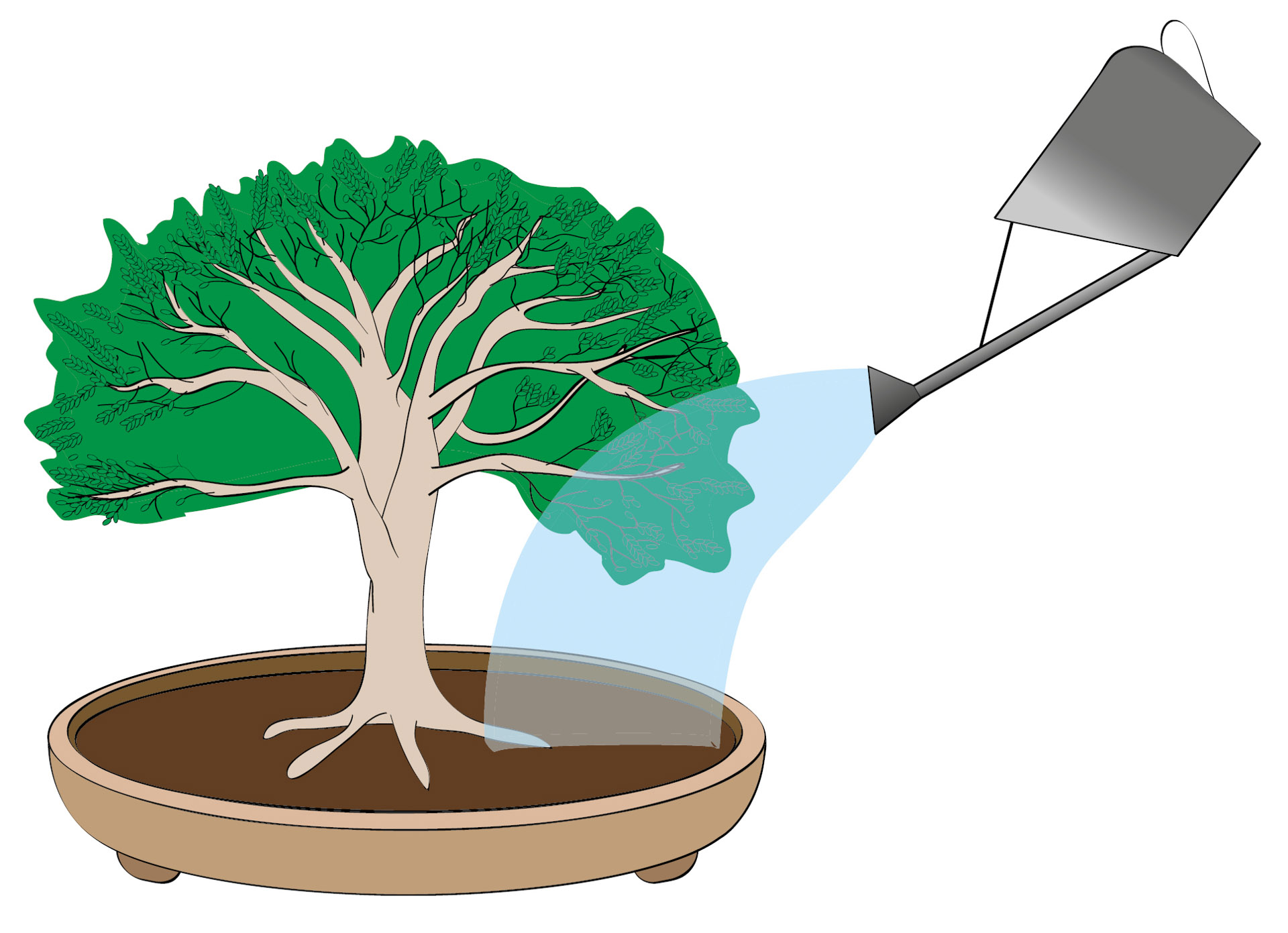
Rain water is best, avoid calcified water. It likes to be watered thoroughly, then allowed to dry slightly before watering again.

Fertilizing
Chemical fertilisers are not recommended. Organic fertilisers are preferable, from spring to autumn: permanent pellets, liquid on the root ball every fortnight and apply foliar fertilisers every two weeks.

Wiring
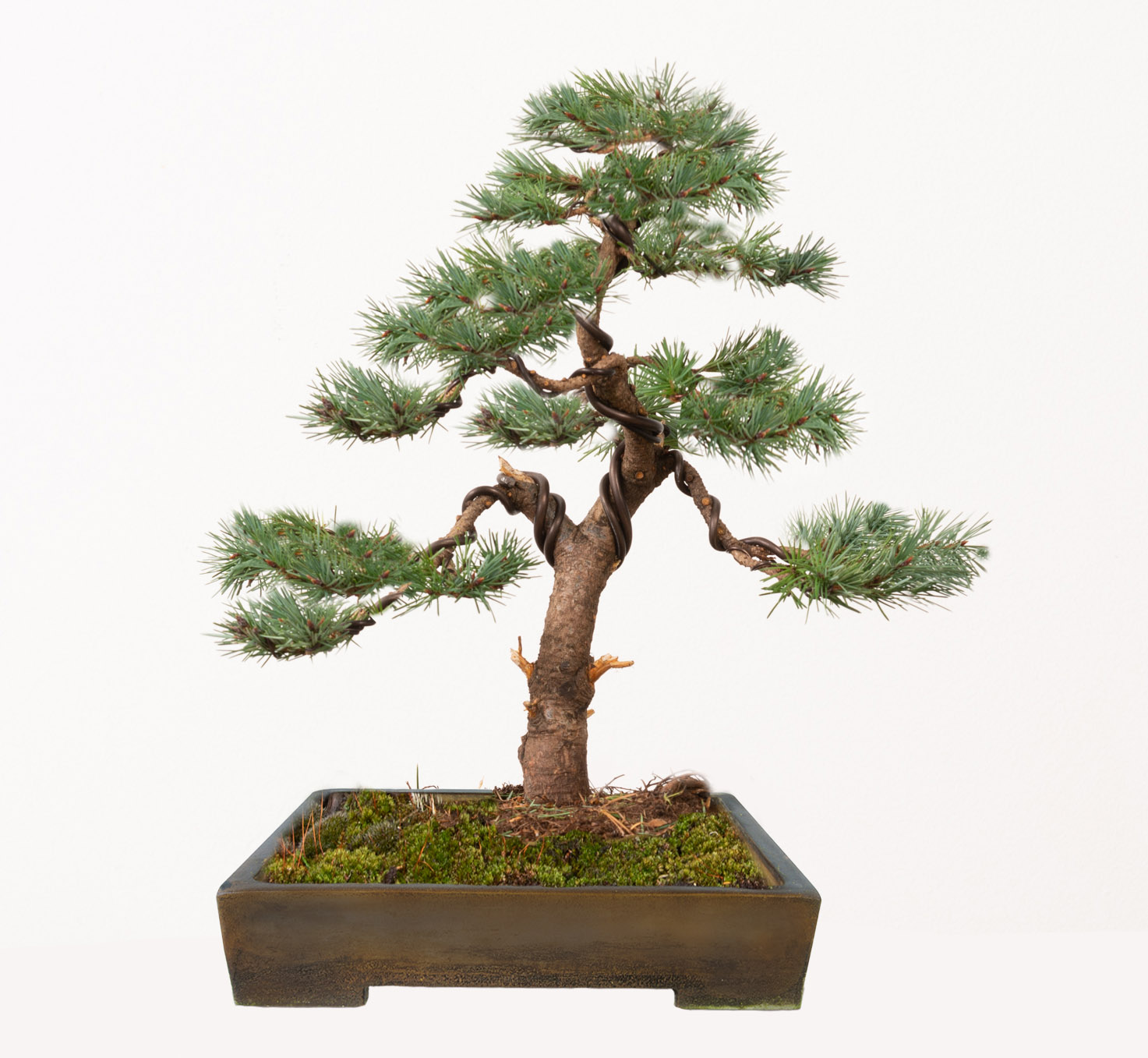
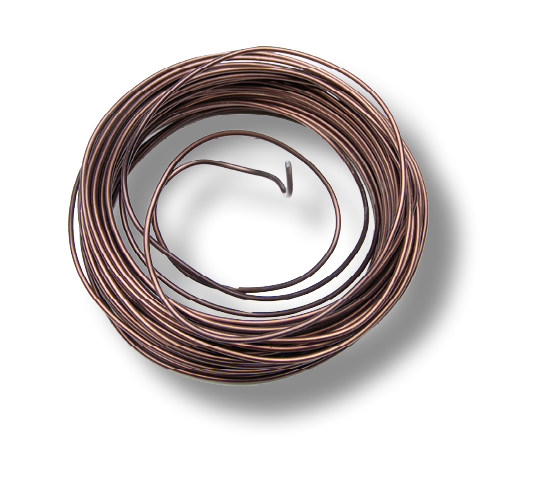
Can be wired from autumn to early spring to avoid damage to foliage and the very moist bark. You can remove its older needles at the base of the twig before wiring.