

In the wild, a Scots pine (Pinus sylvestris) matures naturally into the same style as a bonsai literati with branches spreading horizontally below its flattened apex. The tree was not used as often in bonsai as Japanese pines in the past, perhaps because its conical shape when young is not inspiring. Scots pines, especially the many dwarf formswith smaller needles make excellent bonsai.

- Common Name: Scots Pine
- Genus: Pinus
- Higher Taxon: Pinacea
- Species: Sylvestris
- Skill Level: intermediate to advanced.
- Soil Type: Medium rich, well draining, with 50% fine gravel or Kiryu added to the mix.
- Flowers: Male are yellow, female red. In separate clusters on the young shoots in late spring to early summer.
- Fruit: An egg-like cone that’s green at start and ripens to brown.
- Foliage: Needle-like, depending on the variety, stout and slightly twisted, blue green to blue grey.
- Bark: Purple grey and it peels in irregular plates.


SOURCES


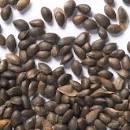
Propagating: With seed.
HUSBANDRY

Placement: Pines just love full sun and thrive on it. Although pines can survive frosts they should be protected from cold winds. Long periods of rain, especially in autumn, can be damaging for the root system, so give the tree some protection by providing shelter

Pruning: Young shoots or candles can grow very large in spring. Strong candles can be pinched back to almost a third, weaker candles are best left untouched. In autumn strong buds can be removed in favour of weaker ones.


Repotting: Saves time in spring; some prefer to repot late August or early September. Pines live in symbiosis with root fungus (mycorrhizae) so always leave a part of the original soil. Use well draining soil.

Soil: Akadama 50 % and Kiryu 50%.

Wiring: Pines are easy to wire and very tolerant. Best time to wire is autumn until the early spring when the buds start to develop.


Pests and diseases: aphids are the worst pest — easily cured with systemic insecticides. The disease to beware of is needle cast. This shows up as gold spotting and banding on the needles, maturing to brown shedding leaves with typical fruiting bodies showing up as black dots along the needle walls. Pick off all discoloured needles and burn them and spray with copper fungicide every two weeks while temperatures are at or above 10 deg C.

Watering: Try not to over water pines, but don’t let the soil dry out completely. Water thoroughly and monitor daily. If your water is too hard try to avoid tap water using rain water instead.


STYLES


© Copyright Bonsai Europe Publications


