
Propagate
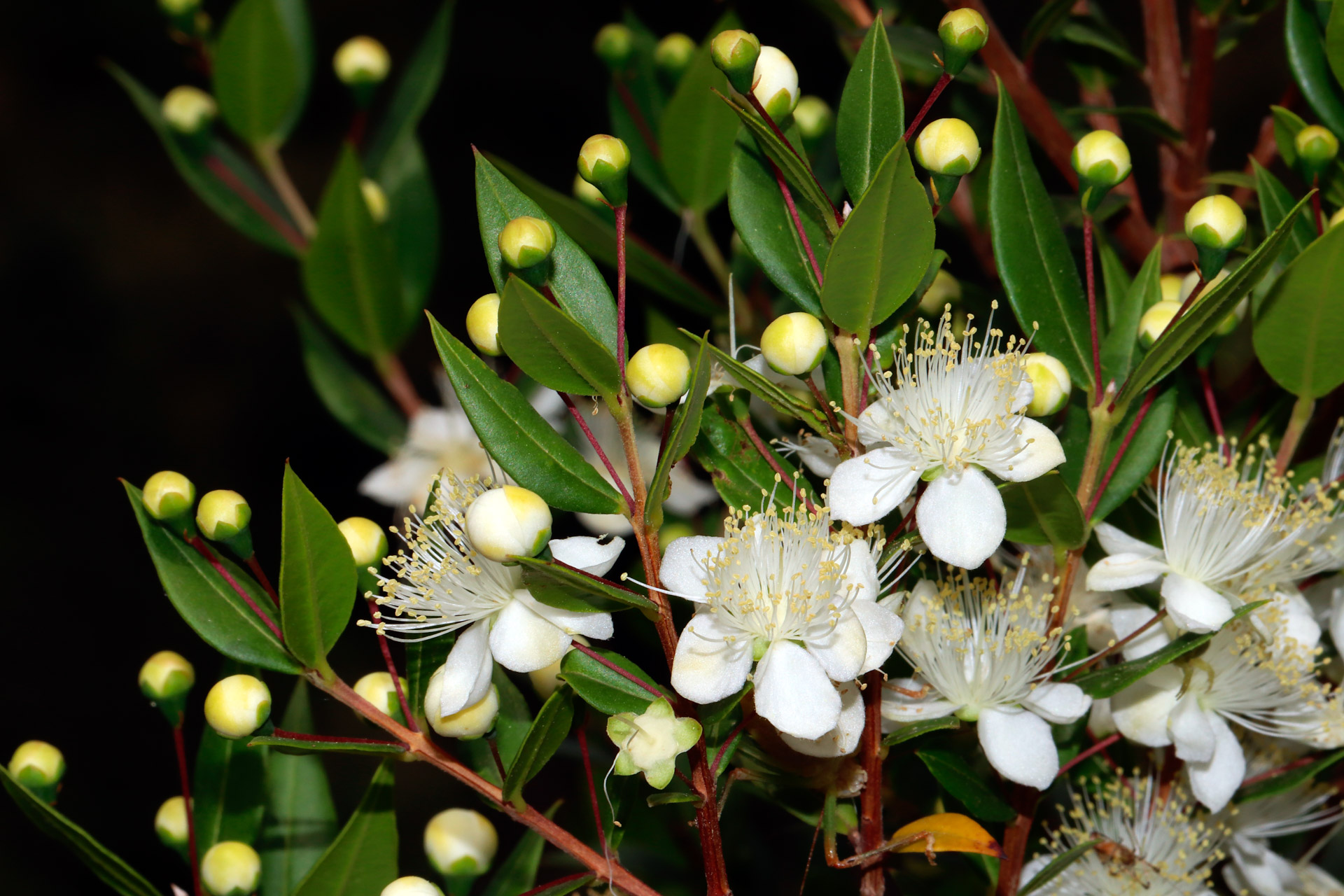
With cuttings,or seed

Placement
They are hardy for mild frosts, protect against frosts below 5 degrees Celsius.. During growing season they prefer a sheltered position in full sun. Keep protected against cold winds during dormant season.

Pruning
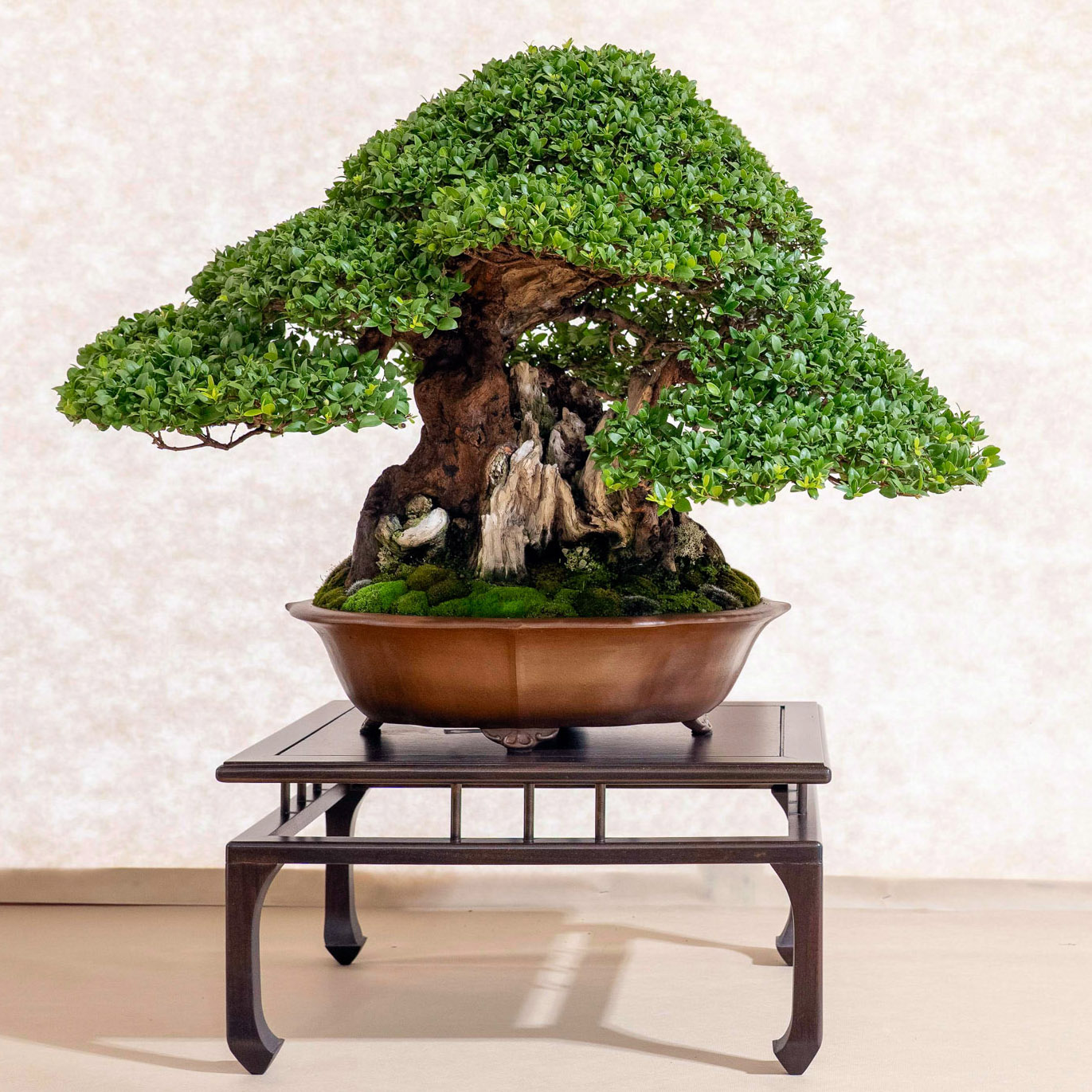
Its growth is very strong right through the season, so you need to clip it regularly with scissors. Myrtus is very forgiving when you make mistakes and will grow back again. You can obtain a fine branch setting by clipping and letting grow again. It has a very strong growth at the base, just like satsuki azaleas; it will make shoots continuously. If you need to cut off thick branches you must be aware that the wound will not heal that quickly, because the bark is very thin. The branches of a myrtle are very brittle, but younger branches are flexible and can be altered to the required direction. You can strip Myrtus of all its branches. New buds appear on the trunk and when these have grown to new young flexible branches you can start to make a selection. Remove all other unnecessary branches and all other buds, which will continue to appear on the trunk. Because it so vigorous, it can be easily propagated; even air layers can be done without any problems.

Repotting
When the leaves become red it's the best time to repot. This happens in winter and, just as the new foliage starts to shoot, you can repot without any risk. If the roots still need to grow, repot in a deep container to allow space for growth. Its roots can be corrected quite easily — just shorten thick ugly roots and let new ones develop. After removing the thick roots cover the area with Japanese cut paste. Take care with the fine fibrous roots which grow through the open structure of the lava particles that are almost impossible to remove. It's best to prune these parts carefully to get rid of the lava.
Soil mix
Use Akadama and Kiryu for good drainage. In general, a mix of 80% Akadama to 20% Kiryu is fine. Northern countries should use a mix of 60% Akadama to 40% Kiryu for extra drainage in wet climates. Repot every two years, but younger trees are best repotted every year. When collected the tree is mostly planted in a soil mix consisting of coarse lava particles, which is very good for root growth.
Watering
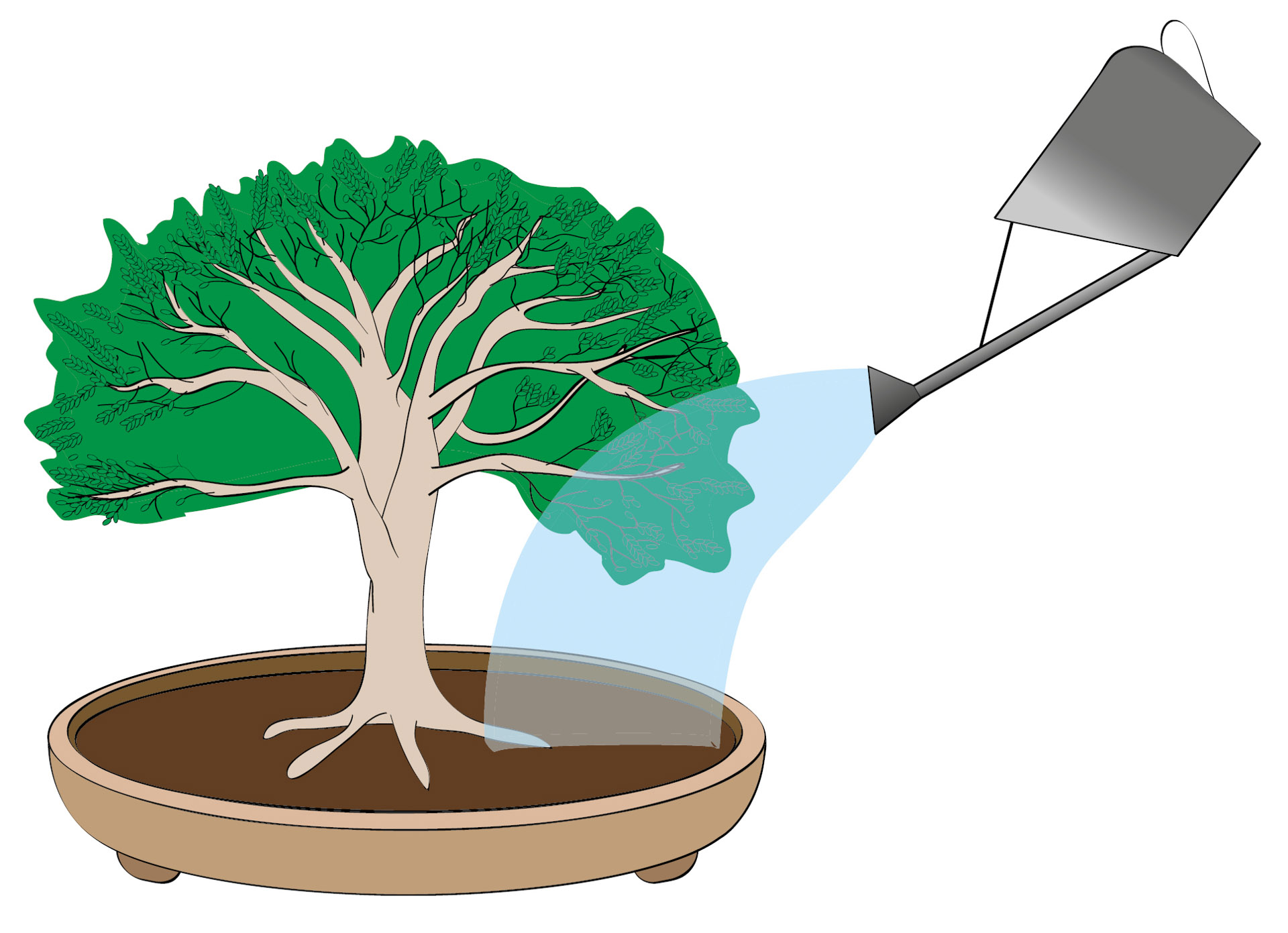
It can handle drought if kept moist. Don't keep it overly wet during the year.

Wiring
Use aluminium wire. Wire in late summer or winter. During the spring monitor the wire and remove before it starts to bite into the bark.

Pests and diseases
Generally pestfree.