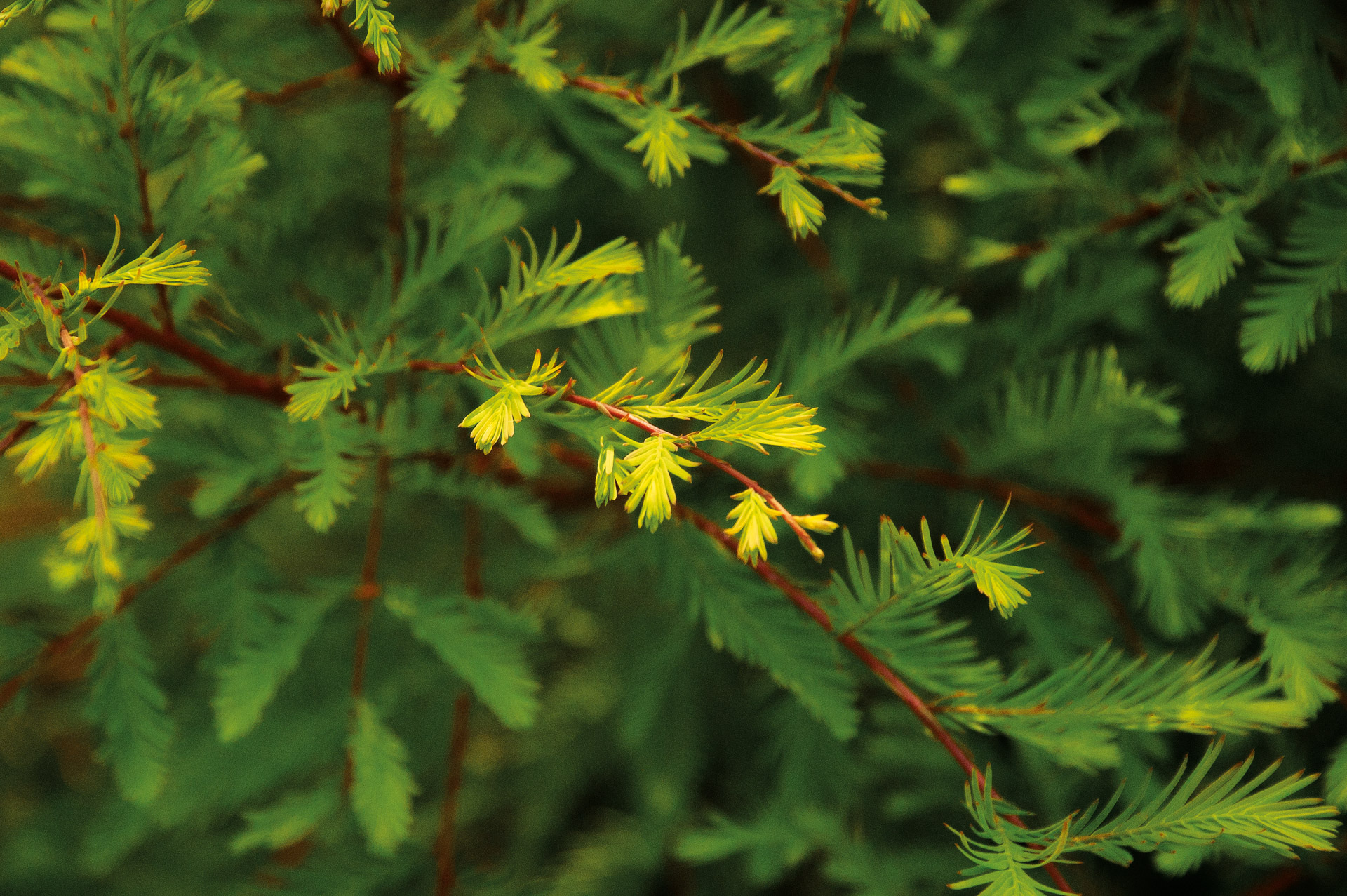
A member of the Cupressaceae family, the Metasequoia is a tall growing deciduous tree with needles. It is an ancient species that was abundant as the earth moved into the Cenozoic era and was found all over North America, into Greenland and the Arctic Circle. In 1939 fossils of a tree resembling Metasequoia were found in several Japanese prefectures by famous palaeontologist, Shigeru Miki. At the time it was considered extinct; so, as no living examples were known, it was named Metasequoia because of its similarity to the other giant tree, the Sequoia. It was 1945 before living examples were found in Sichuan Province in China, where it was known as the ‘water fir’.
- Common name: Dawn redwood
- Genus:Metasequoia
- Family: Cupressaceae
- Species: M. glyptostroboides
- Foliage: The leaves are opposite, 0.4–1.25 inches (1–3 cm.) long, and bright fresh green, turning foxy red-brown in fall and drop.
- Bark: Brown-red. The bark forms separate strips on the somewhat older trunk that peel away..
- Flower and fruit:
The pollen cones are 0.25 inch (6 mm) long, produced on long spikes in early spring; they are only produced on trees growing in regions with hot summers..

Propagate
With cuttings, or seed

Placement
The foliage is quite delicate, so protect from hot sun. In winter protect from cold winds. It can deal with some moderate frost.

Pruning
When it's being pinched back it will send out even more adventitious buds.

Repotting
Needs a well-draining soil, like coniferous trees. Repot every two to three years.
Watering
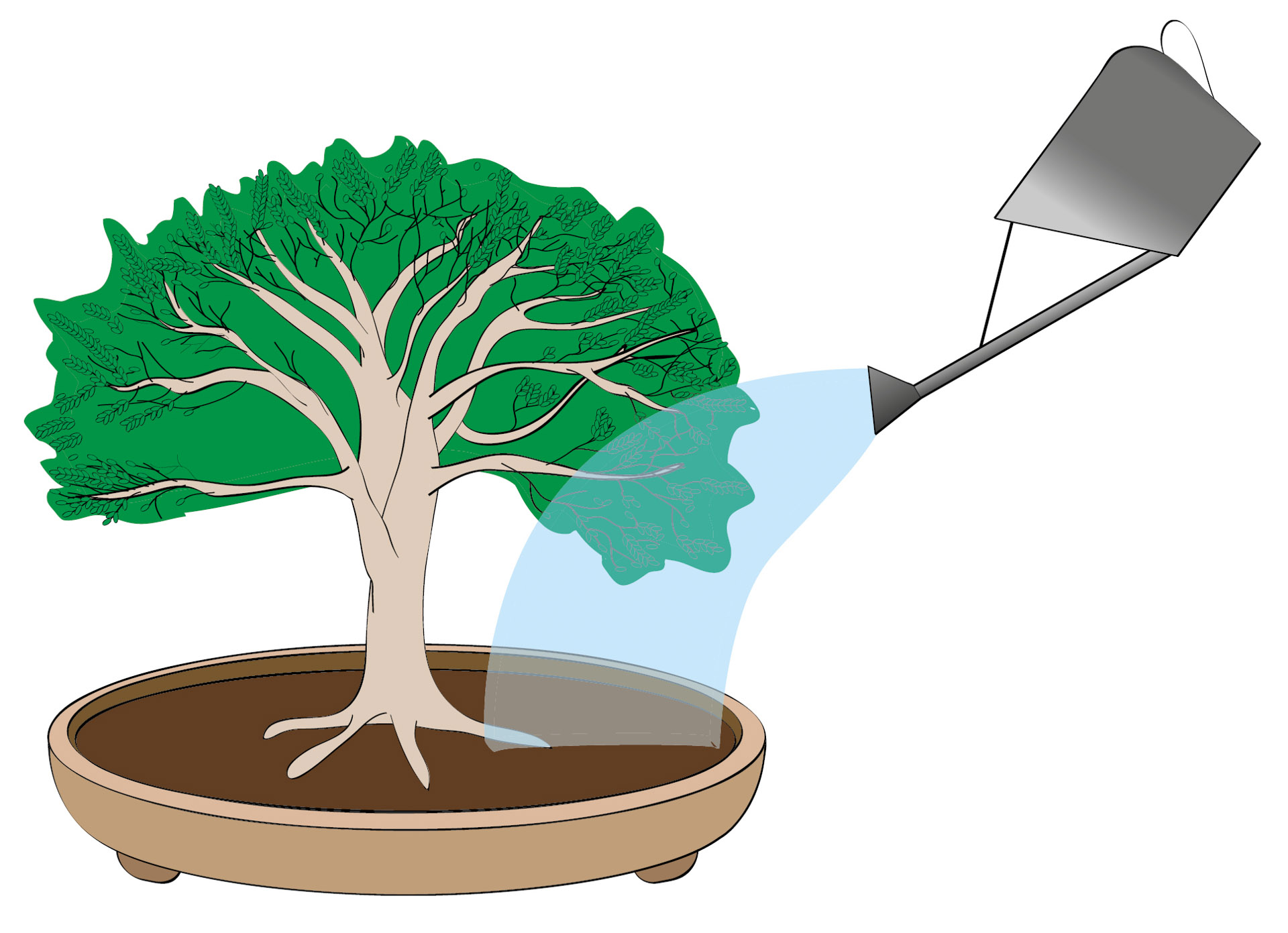
Loves water, so keep moist during growing season. Don't let it de-hydrate during hot periods.

Wiring
The frond like foliage is very delicate, be careful when wiring. This tree has a very vertical growth habit, so you are a bit limited when styling it.


