Propagating:
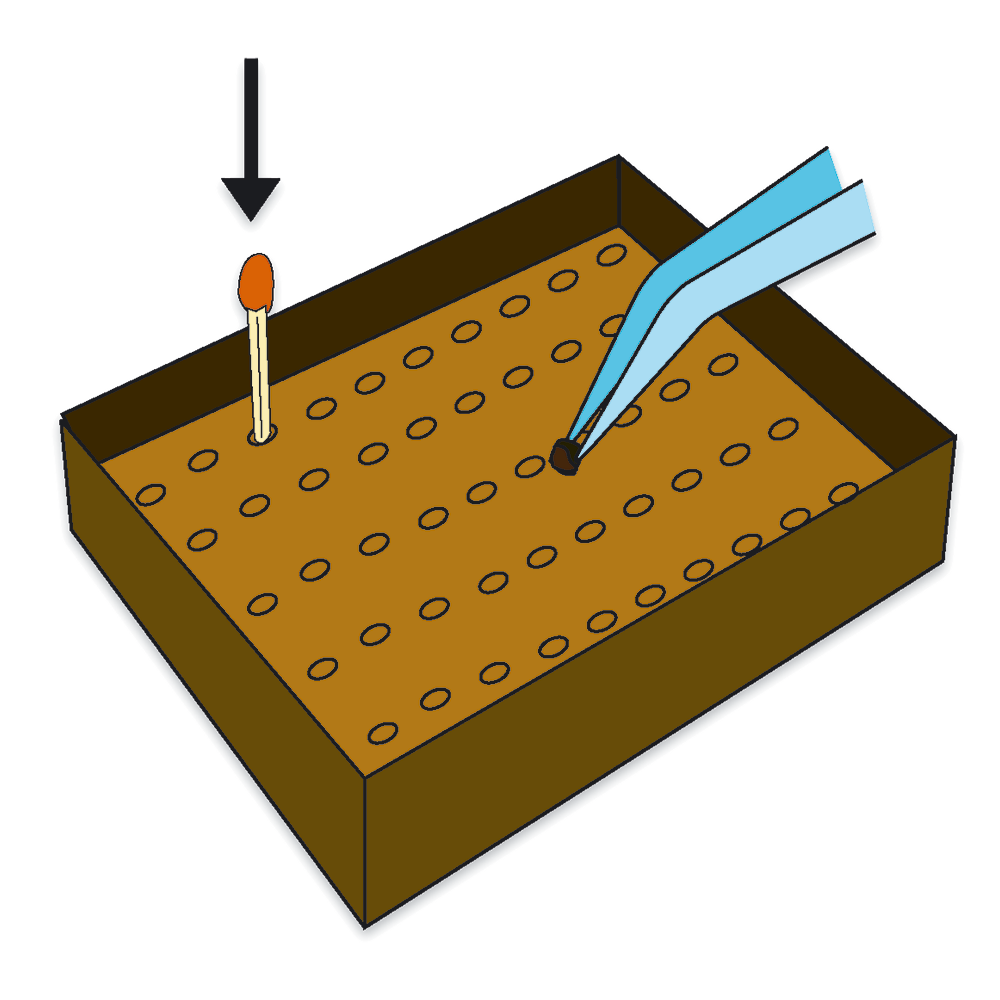
Seedlings and cuttings are excellent and easy sources of material. Cuttings can be taken in spring from last year’s wood. Use a good rooting hormone.
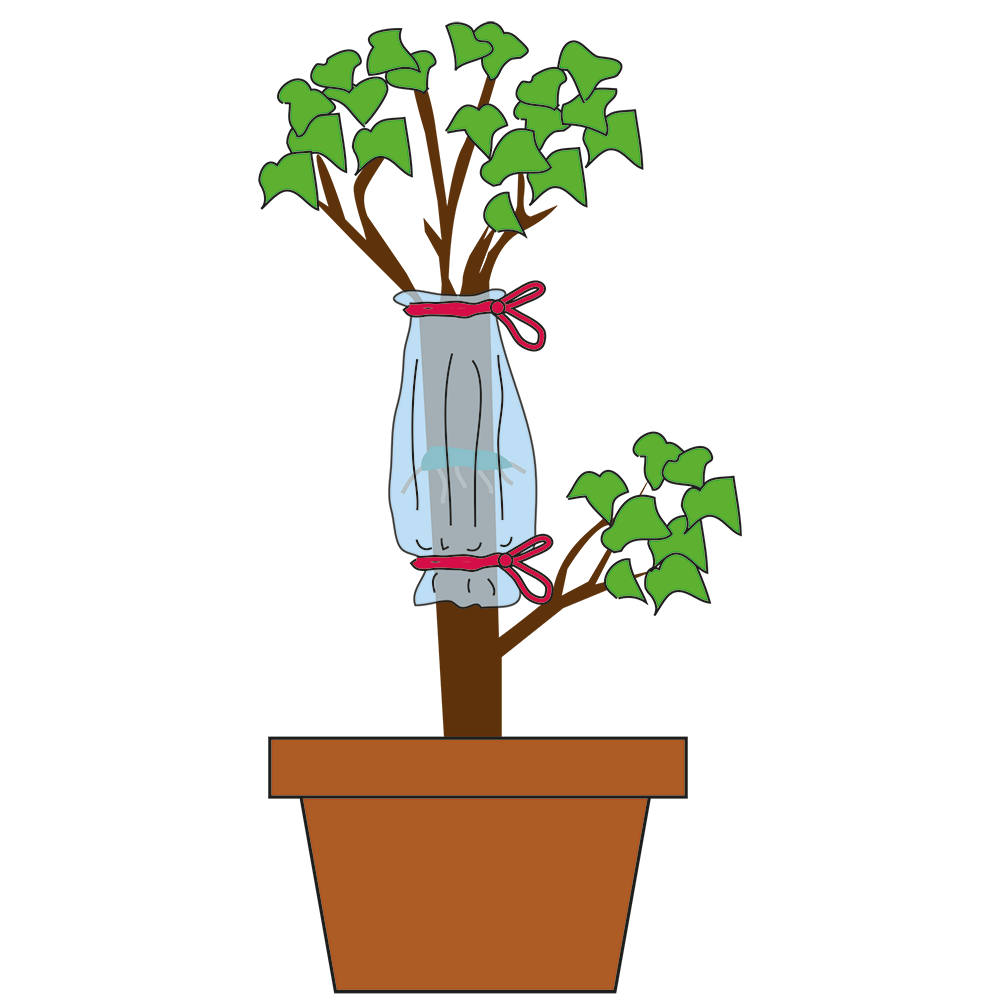
Air layering:
This is another rich resource. Ordinary nursery stock can often be improved by airlayering. Apply layers in early spring. Sometimes it is best to wait two seasons before detaching the layer in order to gain strong rooting.
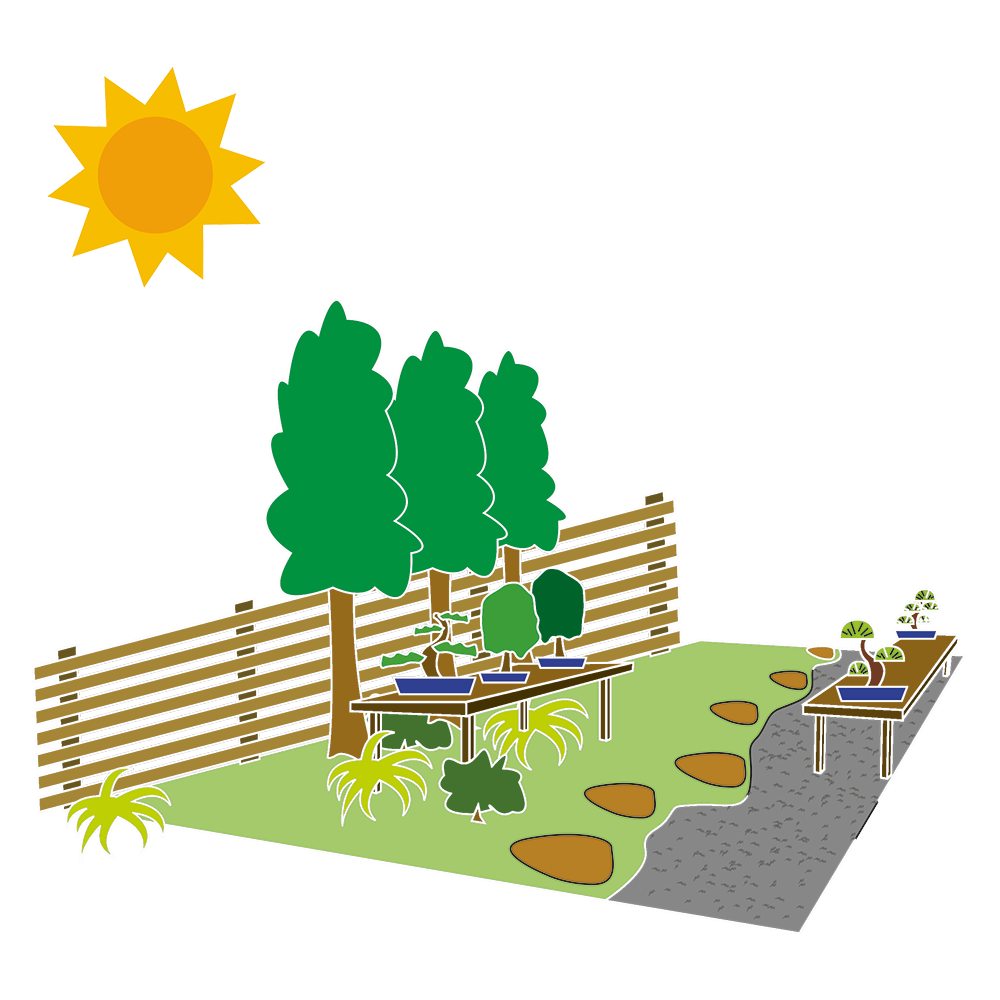
Placement:
Grow in good light all year round, but avoid harsh sunlight if pots are shallow and keep out of prolonged frost.
Watering:
They can withstand some degree of drought. Avoid overwatering, but keep moist year round. The rigida variety is very thirsty and does not like to dry out. In comparison with the chinensis, it cannot withstand long periods of drought.
Pruning:
Branches and trunks of junipers are quite flexible and they can withstand some damage. Allow growth to grow a little before cutting the central stem of the most vigorous shoot. This can only be done if there are enough green shoots. The so-called juvenile growth mostly occurs when too much is being pruned. The branches of rigida variety are not as flexible as the other juniper varieties. Allow growth of new shoots before pinching.

Wiring:
Wire in autumn through winter, avoid spring because sap stream is very strong and the bark can easily be damaged. Use aluminium or copper wire. For the rigida variety: To avoid dropping branches you need to wire it. But wire very carefully as the foliage, although prickly, is very delicate.