
Propagate
From cuttings, airlayering.

Placement
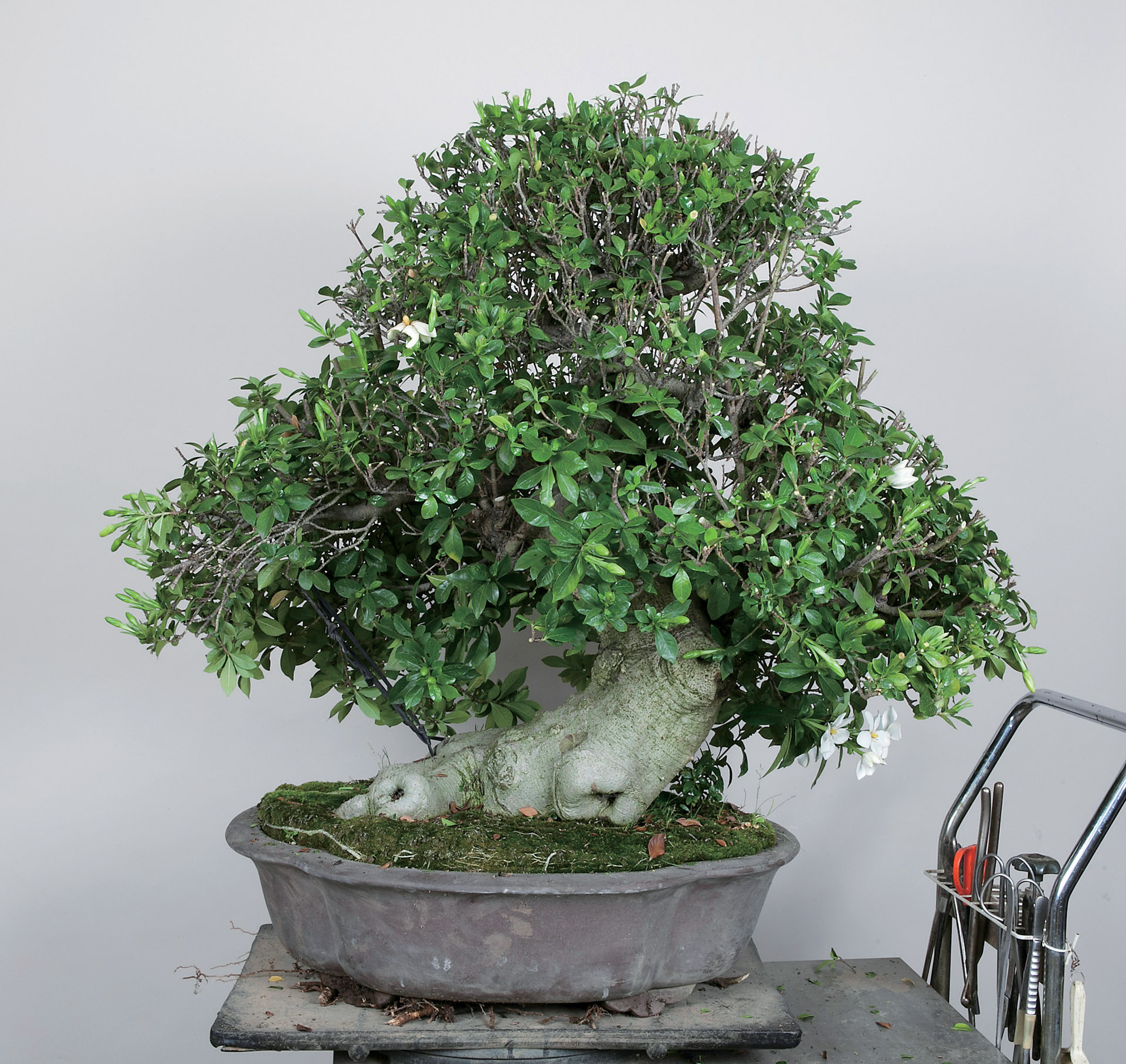
As a warm climate plant, they are not particularly strong in cold weather and require some protection even in warmer climates. Place under protection when the frost starts to form around 1 or 2 degrees. If they are exposed to extreme cold, the leaves will turn yellow and the tree weaken. In the summer they will need protection from the extreme heat and intense sunlight, so place in semi shade.

Pruning
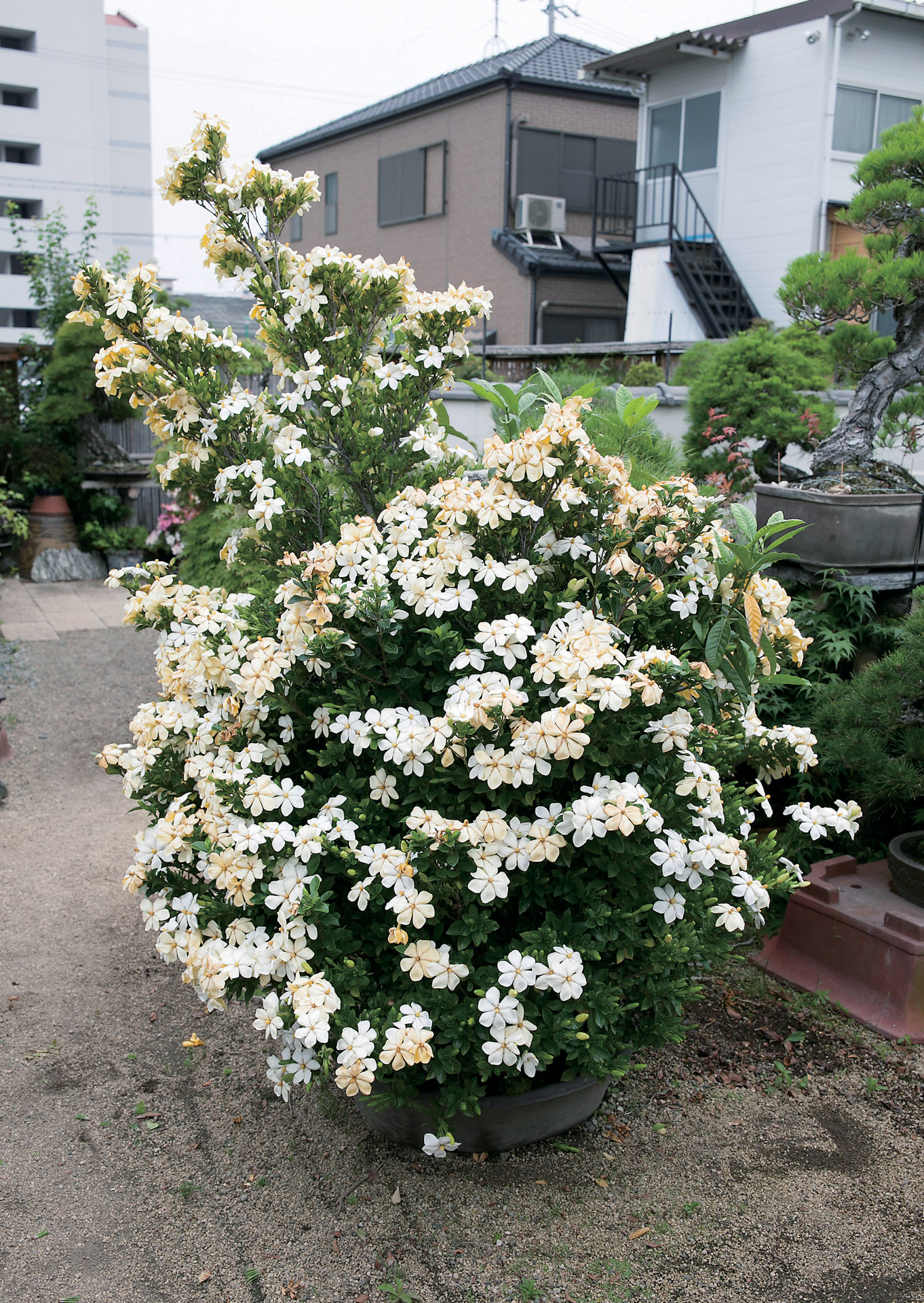
A vigorous tree will withstand a hard prune and you can cut to shape in the knowledge that it will shoot again all over the tree. If this is done repeatedly over a number of years, the number of fine branches will rapidly multiply making it relatively easy to develop branches. Pruning can be done in the growing season from April to October. If protected well over the winter it can be done at any time of the year. The only issue is that if defoliation or hard pruning is done, there will be no flowers. If you want to enjoy the flowers or the fruit; pruning should be done after they have finished. If flowers and fruit are allowed to develop year after year, the branches will become leggy and the structure deteriorate. Consider allowing the tree to flower and fruit every other year and concentrate on structure and branch development in the non- flowering year. Defoliation should be carried out in July, but don't forget that defoliating the tree prevents it from developing flowers, so this should only be done on younger trees or those still in training.
Watering
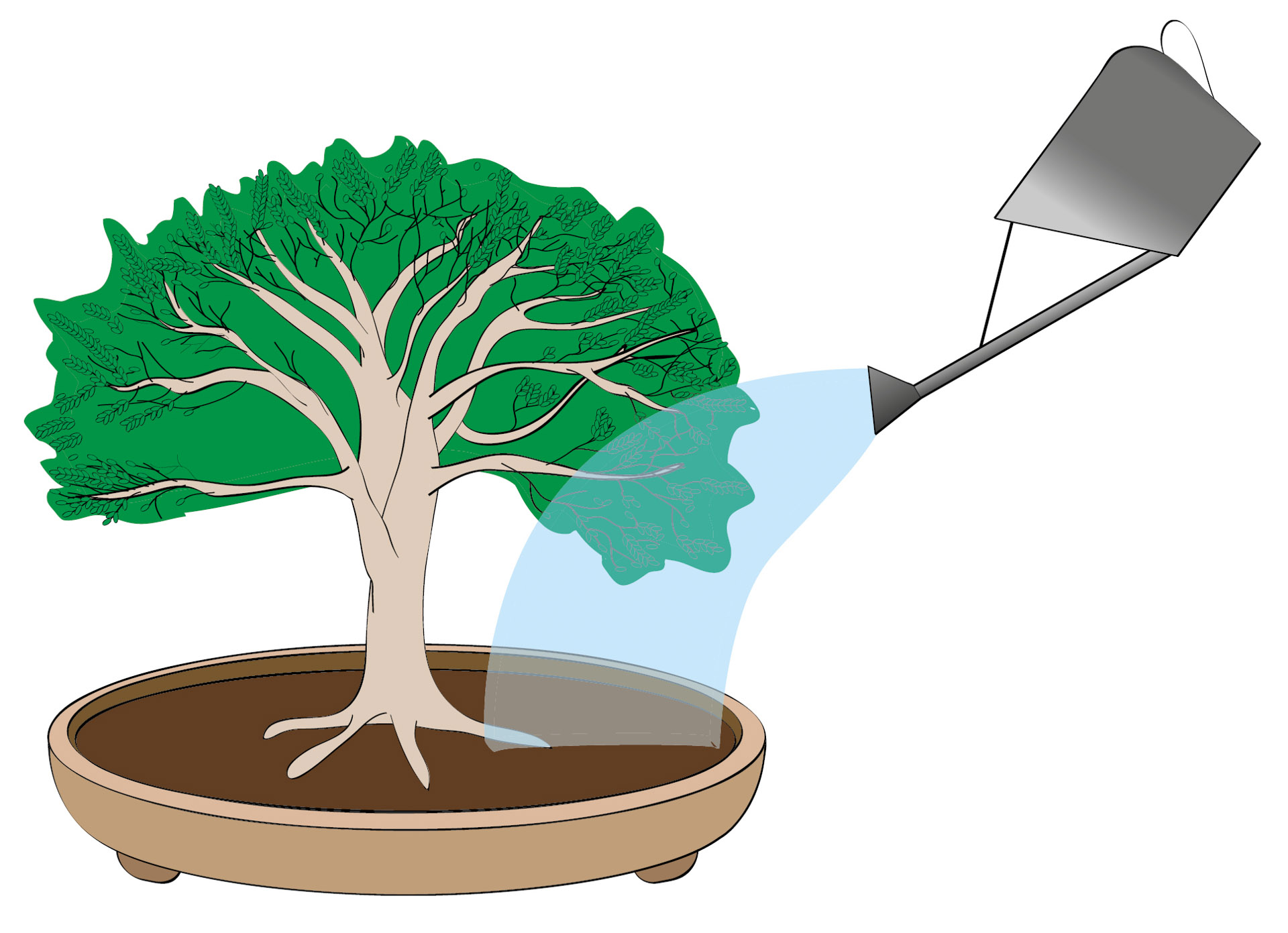
Use soft tap water that has a low lime content. Rainwater is the best choice.

Fertilizing
Apply a little throughout the growing season. Use organic fertilizer.


Diseases and insects
Protect against whiteflies and mites

Wiring
Only the younger branches can be wired without the risk of damage. Use the softer aluminium wire.