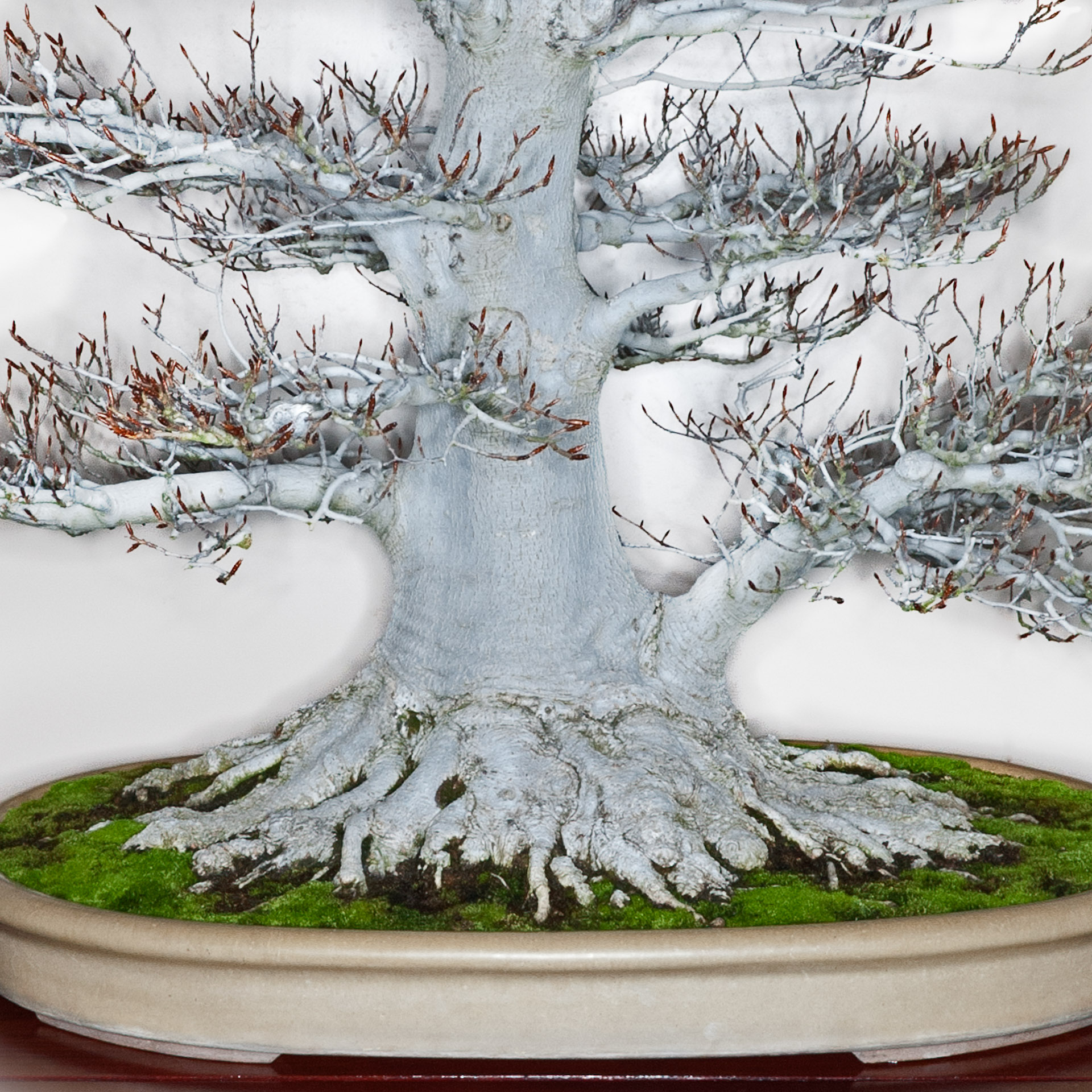


Propagate
With cuttings, airlayering or seed

Placement
Depending on the local climate and the time of year, full sun to half shade is best for beeches. They are very thirsty and their leaves will quickly dry in full sun and low humidity. On the other hand, in a shady place they will not grow dense enough for our purposes. So the owner might have to move them around in the garden over the year.

Pruning
Mainly clip and grow methods works best. Prune new growth from extending in strong areas by pinching the terminal buds to leave only one or two leaves. Let the weaker areas alow to fully grow to six or seven leaves. In late autumn you can prune back to shape. Do not defoliate.

Watering
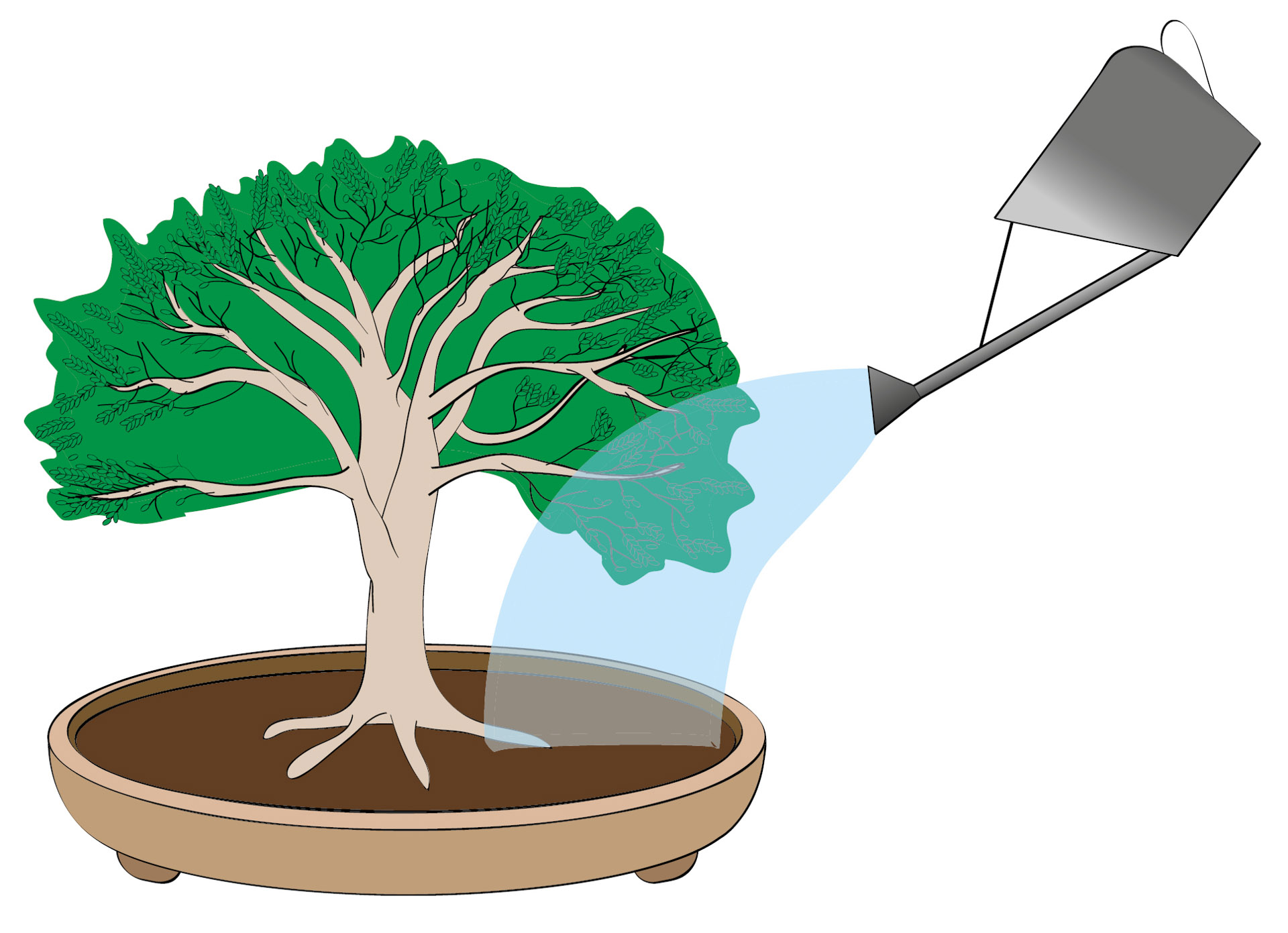
Beeches want plenty of feeding, organically and chemically. The substrate must stay moist all the time. They must therefore be watered daily; and sometimes twice a day during the warmer months.

Wiring
Use aluminium wire. Wire in late summer or winter. During the spring monitor the wire and remove before it starts to bite into the bark.

Pests and diseases
Beeches must be tasty — they have aphids and other critters which love them. I spray with a dose of diluted lime sulphur (1 to 30 with clear water) in February or March. If aphids still appear they must immediately be fought with insecticides.
Winter care
Beeches must be tasty — they have aphids and other critters which love them. I spray with a dose of diluted lime sulphur (1 to 30 with clear water) in February or March. If aphids still appear they must immediately be fought with insecticides.