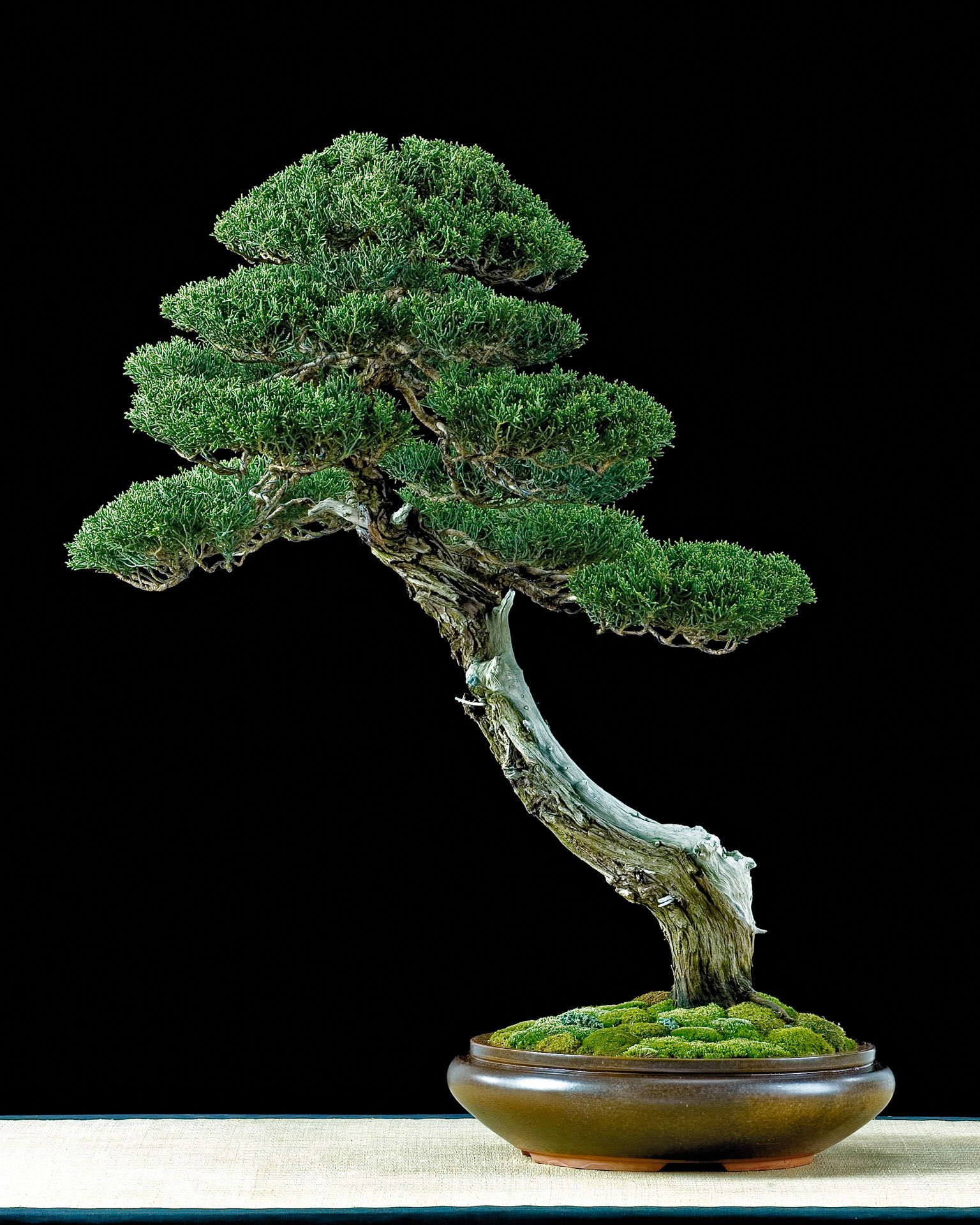
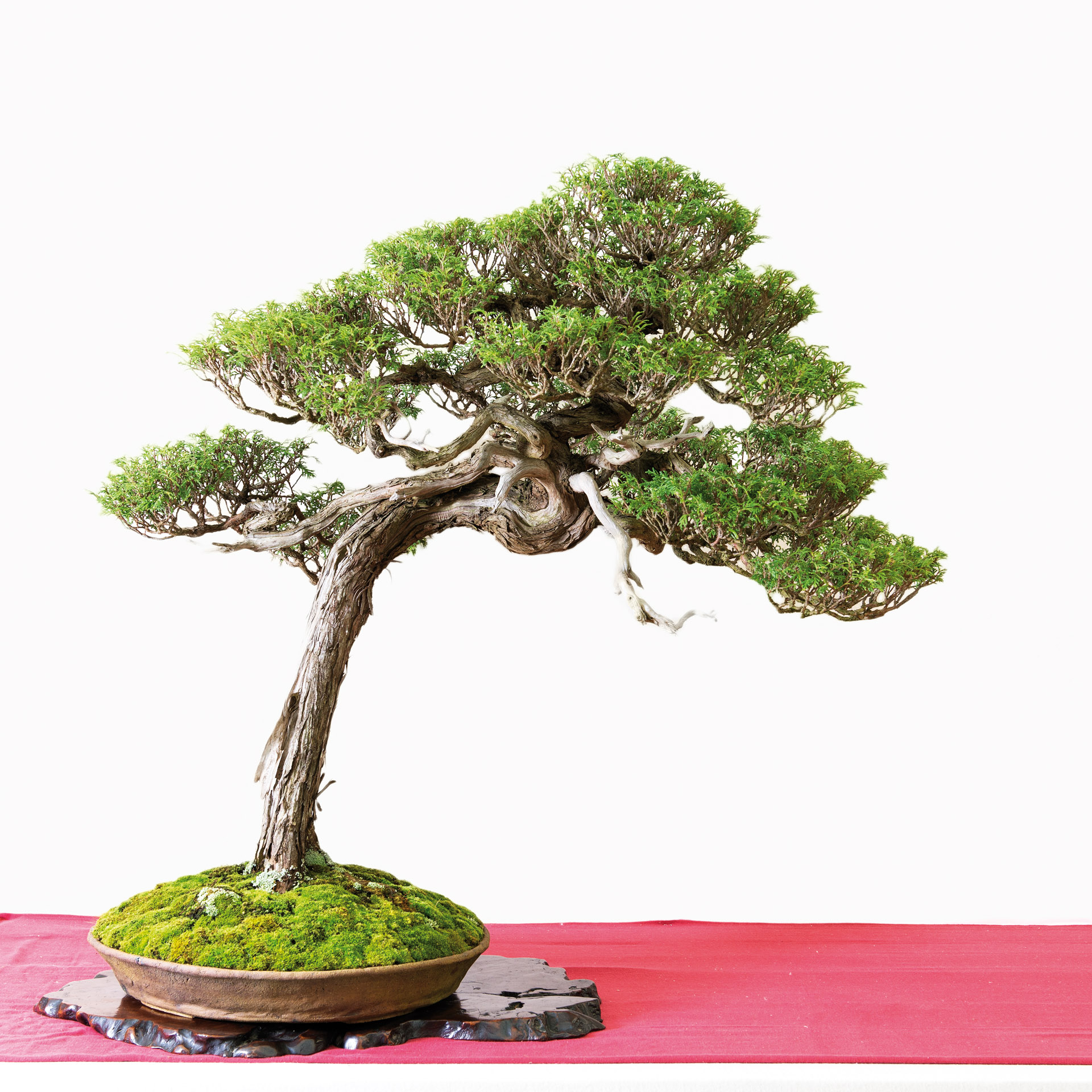
Cupressus sempervirens, the Mediterranean cypress also known as Italian cypress, Tuscan cypress, is very suitable as bonsai.
It is well-adapted to the environmental conditions that it lives in due to its ability to survive in both acidicand alkaline soils and withstand drought. Cupressus sempervirens is important in Mediterranean and Middle Eastern culture.
In classical antiquity, the cypress was a symbol of mourning, one of the myths explains why. The handsome boy Cyparissus, a favourite of Apollo, accidentally killed a beloved tame stag. His grief and remorse were so inconsolable that he asked to weep forever. He was transformed into Cupressus sempervirens, with the tree’s sap as his tears
Species: C. sempervirens, from the Latin for ‘evergreen’. It was imported into Italy by the Phoenicians and Greeks and in Tuscany, certainly by the Etruscans.’ Skill level: Advanced.
Soil type: Medium rich, but well draining, with 40-50% fine gravel added to the mix.
Flower and fruit: Flowers in spring. The seed cones are ovoid or oblong, 25-40 mm / 1-1½” long, with 10-14 scales, green at first, maturing brown 20-24 months after pollination. The male cones are 3-5 mm long, and release pollen in late winter. It’s moderately susceptible to the canker that’s caused by the fungus Seiridium cardinale. Can suffer extensive dieback where the disease is common.
Foliage: The foliage grows in dense sprays, dark green in colour. The leaves are scale-like, 2–5 mm long, and produced on rounded (not flattened) shoots.
Bark: Grey brown flaky. Its wood is of very high quality.
Myrtus is very forgiving and quite easy to work with…
23 March 2026
We use cookies on our website to give you the most relevant experience by remembering your preferences and repeat visits. By clicking “Accept”, you consent to the use of ALL the cookies.
This website uses cookies to improve your experience while you navigate through the website. Out of these cookies, the cookies that are categorized as necessary are stored on your browser as they are essential for the working of basic functionalities of the website. We also use third-party cookies that help us analyze and understand how you use this website. These cookies will be stored in your browser only with your consent. You also have the option to opt-out of these cookies. But opting out of some of these cookies may have an effect on your browsing experience.
Necessary cookies are absolutely essential for the website to function properly. This category only includes cookies that ensures basic functionalities and security features of the website. These cookies do not store any personal information.
Any cookies that may not be particularly necessary for the website to function and is used specifically to collect user personal data via analytics, ads, other embedded contents are termed as non-necessary cookies. It is mandatory to procure user consent prior to running these cookies on your website.
Send me the newsletter.
You can cancel your Bonsai Today membership at any time, and you will continue to have access to Bonsai Today through the end of your billing period. To cancel, go to the ‘Members‘ page and click on ‘Cancel‘ in My Memberships.