

Watering

Why water?

The physiology of a tree is based on the use of water. In nature all trees need water. When you see a fig tree in arid ground, you can be certain that its roots plunge deeply into the ground in its search for a spring or another source of water. The first conclusion to draw is that our trees need to be sprayed. The second is that we mustn’t create an arid environment in the pots; if we do it is certain death for our trees, whatever the species.
Cultivation in a pot is complex and watering is one of the actions that it’s wise to understand.

Parameters to observe

It is necessary — and important — to take into account all the elements of pot cultivation: Climate
  • Species or variety of the tree
  • Type of pot
  • Soil mix
  • Season
All these elements must be studied and, since there is no one standard recipe for watering, you will have to draw your own conclusions about each tree’s watering requirements. You’ll have to adapt according to the needs of each tree.
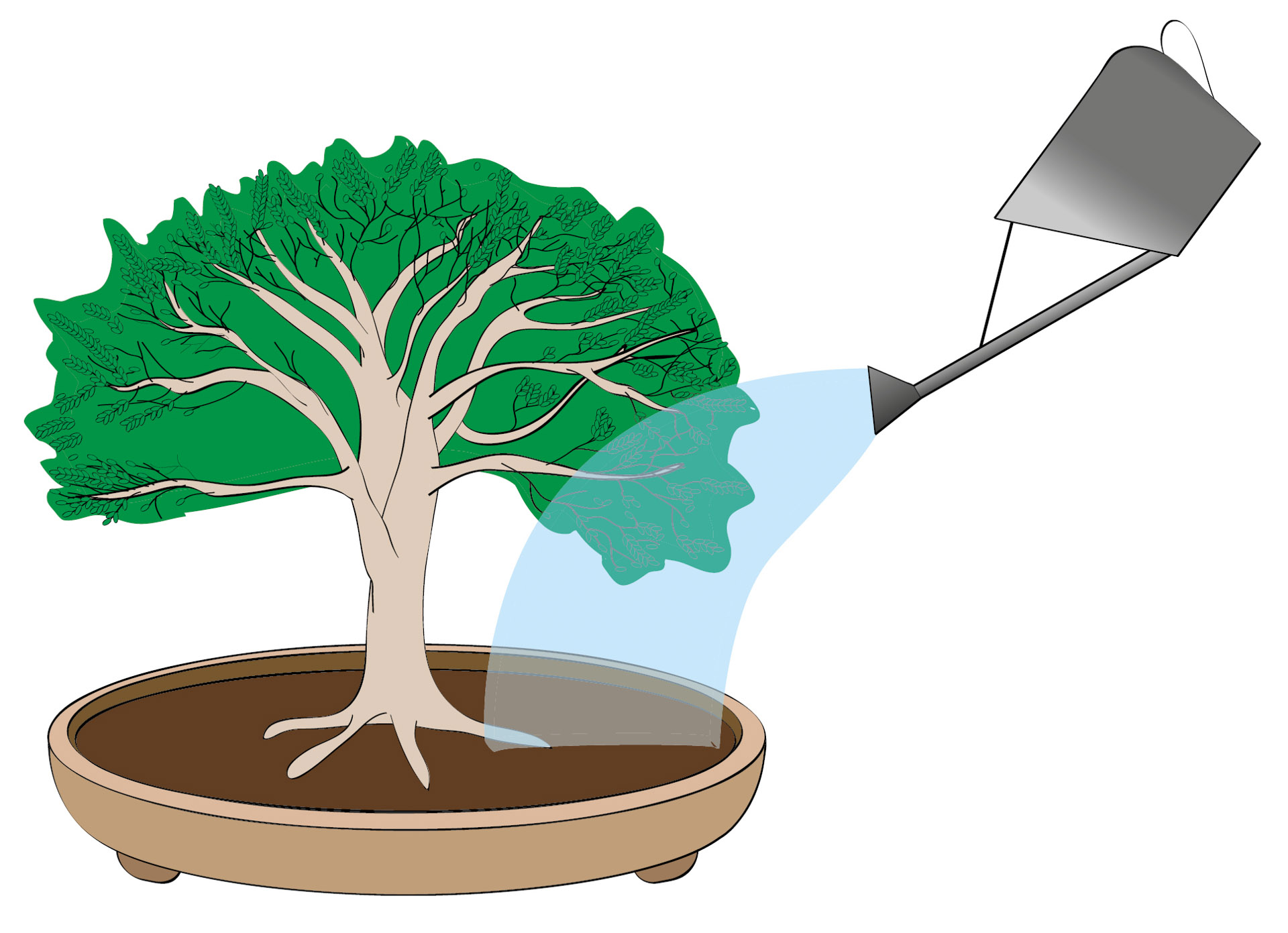
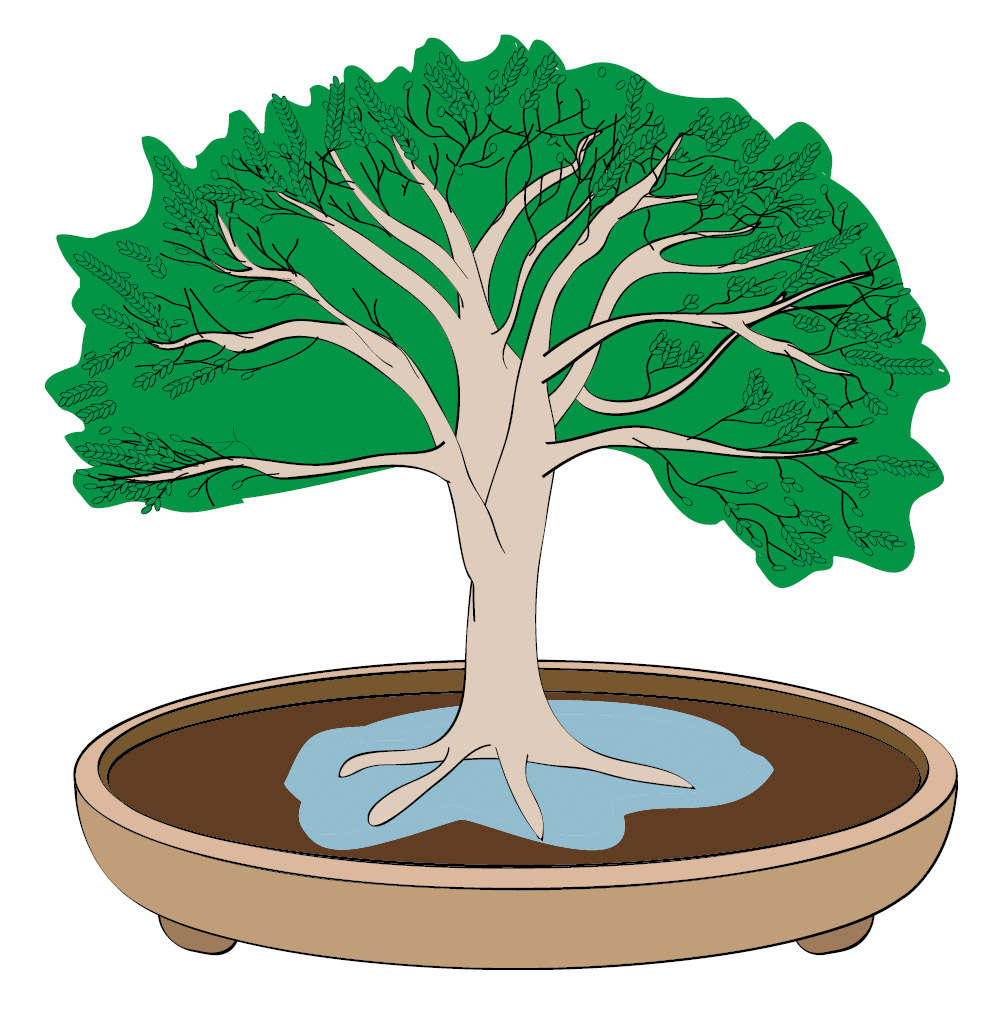
You will first water the soil mix to wet the surface well.
Wait as long as necessary to be sure that the soil is well dampened.

You’ll find that the pots become dirtied with soil and sand, but don’t take any notice of this. You are not displaying in an exhibition, but cultivating your trees and only their health is of importance.
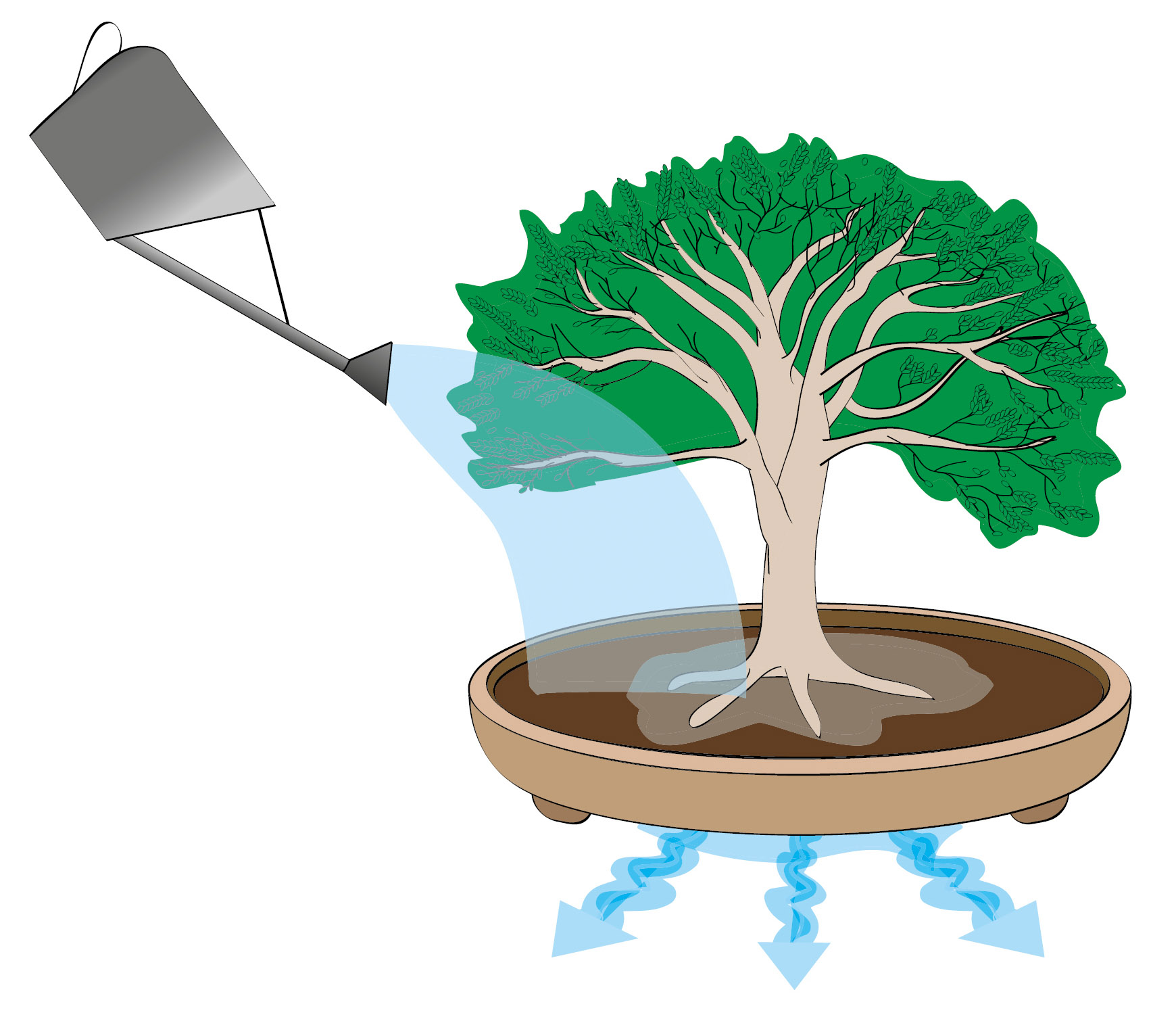
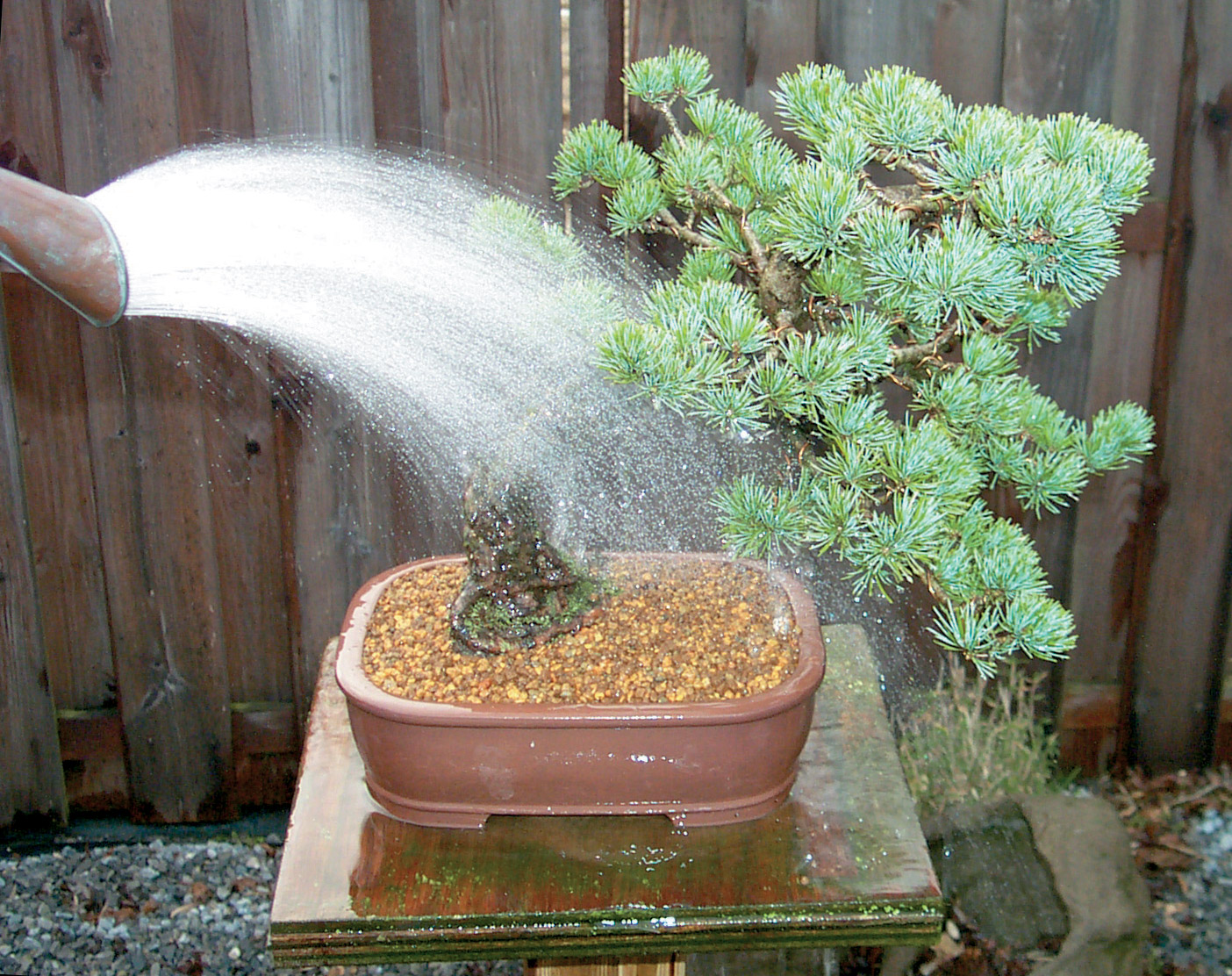
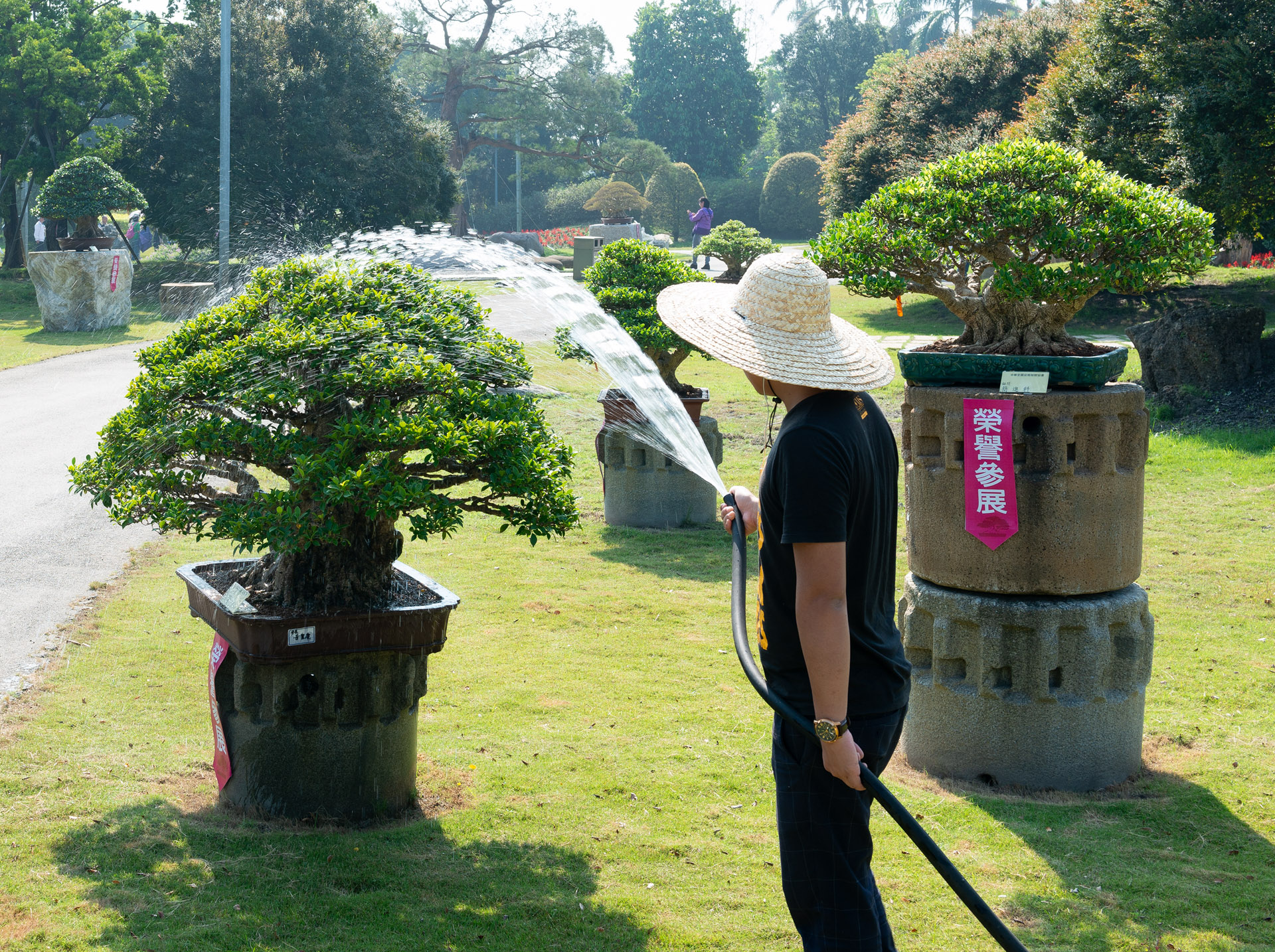
Water by spraying with a watering can or water jet. Always deliver the water like fine rain while following an upward curve
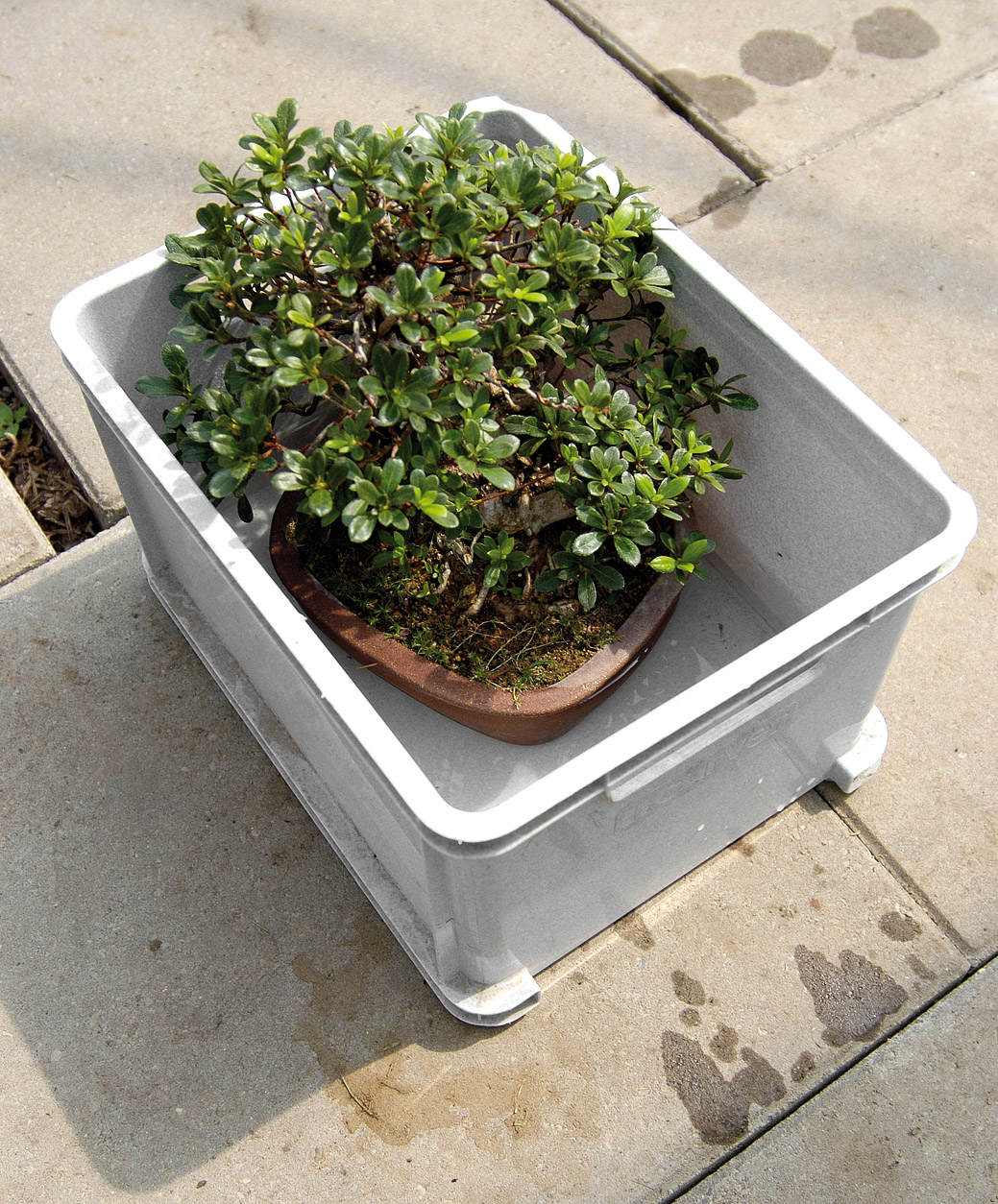
In summer, immerse in water all bonsai that are completely dry. Remove them from the water when no more bubbles are released from the soil mix.

In summer, although the trees are well sprayed, they can still
have insufficient water. It is therefore necessary to keep a constant eye all the pots and water again if needed. When only a short time has passed since the tree was repotted, the soil mix can be draining; the water penetrates well, but it also dries very quickly. Over the years the texture of the ground will change. It becomes more compacted and water is absorbed with much more difficulty. Moreover, it takes much more time to dry out.

Pay extra attention on windy days, because the ground dries extra quickly!

Some rules nevertheless . . .

It is necessary to spray with water when the tree requires it, so observe it well. Also check the substratum. Don’t over spray. You will cause the roots to drown. They need air to live. Too much water is therefore harmful. In the event of excess water the leaves turn yellow, some small branches become desiccated, and the tree appears to suffer from a lack of water. In fact that is not so; it is because the roots have started to rot and can no longer absorb water. You must understand why the lack of water is bad: When you do not spray enough two things can occur. 

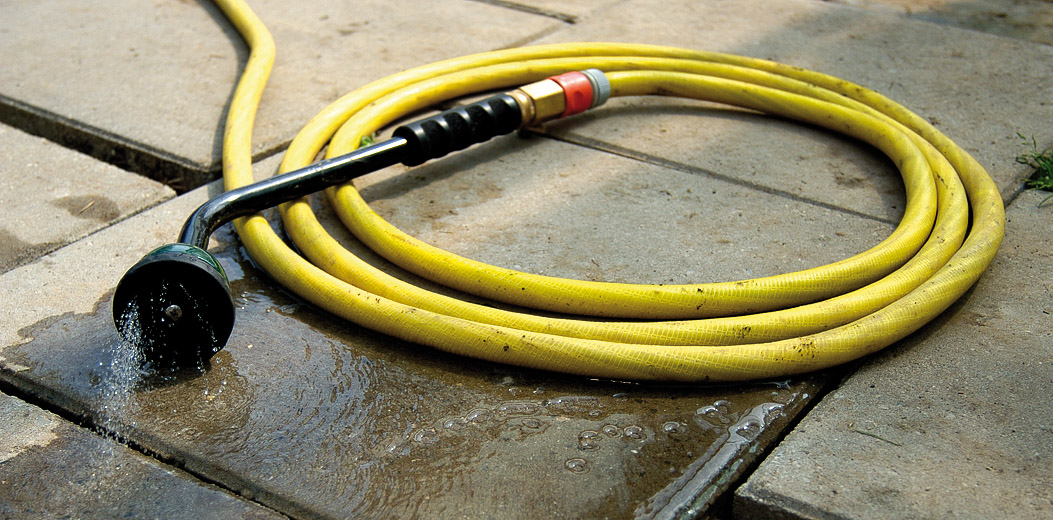
In summer pay attention to your hosepipe. If it is left in full sun filled with water, the water will become extremely hot!
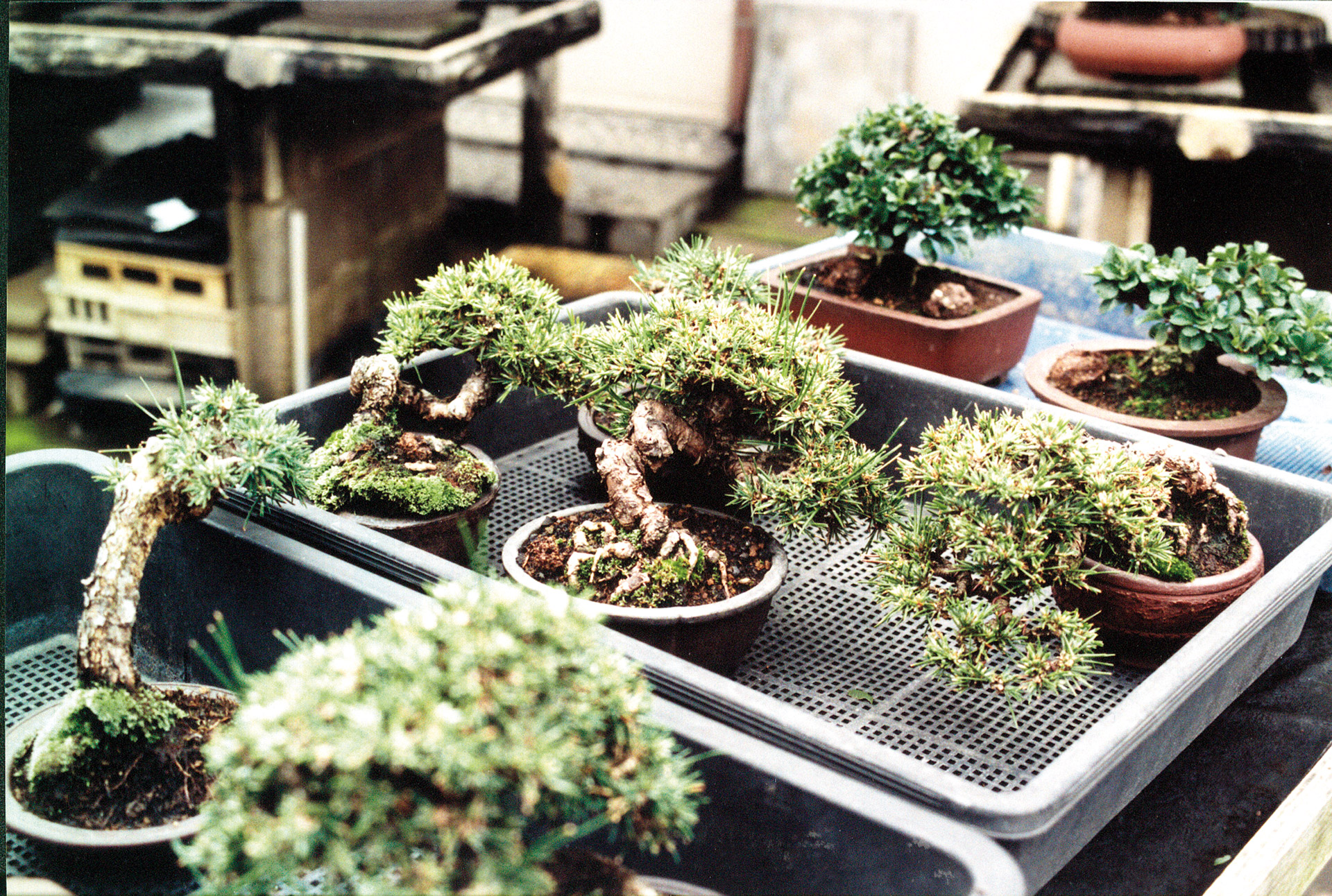
Gather your mini-bonsai in a large tray of sand and spray them together.

The best scenario is that the tree suffers a light and chronic lack of water. It doesn’t grow, it’s dull, and in bad health. The worst scenario is the cruel drying out of the tree with a loss of leaves. It is either dead, or it’s dying. Try to revive it by immersing the pot in water until no bubbles of air emerge Then, all you can do is wait . . . a good sign is small buds shooting slowly as the days pass. During this time it is necessary to spray just a little without causing root rot, and only when the soil mix dries.

How to water

When a tree needs water it should be sprayed thoroughly, that is, so that the entire soil mix is soaked. But first, it is necessary to lightly spray the surface of the substratum to moisten it. Then you can spray thoroughly until water drains from the drainage holes. After spraying like this, you should always be left with wet substrata. A light spraying doesn’t mean being sparing with the water, it indicates that you leave more time between two waterings while leaving the soil to dry well. You can check this with a special probe that indicates the water content of the soil.

The best time of day to spray is in the morning. This avoids giving a shock to a tree hot from the sun. In practice, though, you will also be able to spray in the evening after the sun goes down. During a summer it is sometimes necessary to water the trees two or three times by totally immersing the pot. This will correct errors made in watering.

© 2026 All Rights Reserved

Send me the newsletter.

You can cancel your Bonsai Today membership at any time, and you will continue to have access to Bonsai Today through the end of your billing period.  To cancel, go to the ‘Members‘ page and click on ‘Cancel‘ in My Memberships.