
Disease prevention

When you consider the health of your bonsai it’s always best to remember the old adage: ‘Prevention is better than cure’. It’s no exaggeration to say that keeping your bonsai free of disease is of paramount importance.

Diseases of the roots

The principal reason for root diseases is a badly balanced soil mix — that is. too compact, badly aerated, insufficient drainage, too much clay, and with a pH that’s too acid, or too alkaline. Root rot is caused by a fungus, of which most common is phytophtora. The ground is always wet, even for several days after watering. The bonsai doesn’t grow, doesn’t bud, it remains ‘immobile’. 

On leafy trees, the leaves will fade while still remaining green; it’s as if they have lost their strength. With conifers, the needles become dull, then turn russet and dry while remaining on the tree. In the end the bonsai will die. If you take a look, you’ll find the soil mix is wet and more or less compacted. The roots are soft and black. In fact, the tree dies of thirst because the roots don’t function any more. 

At this stage there is nothing that can be done. But if you intervene at an earlier stage, you can try the following: After removing all its rotted roots, repot the tree in a coarse  draining soil mix. Every  month, give the bonsai a treatment of Fosetyl- Al (Aliette ND) by spraying the foliage. Remember to check the soil mix for insect larvae, nematodes, and possibly aphids. Bacterial contamination is also possible via the wounds of pruned roots.

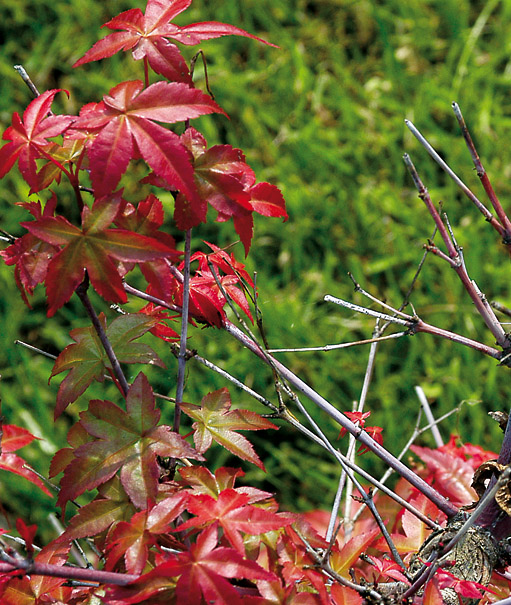
Verticillium wilt
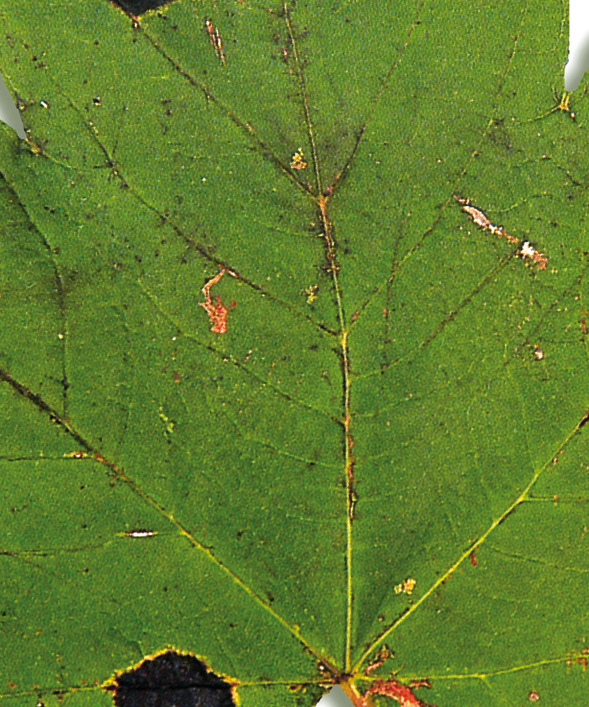
Rust on a deciduous leaf
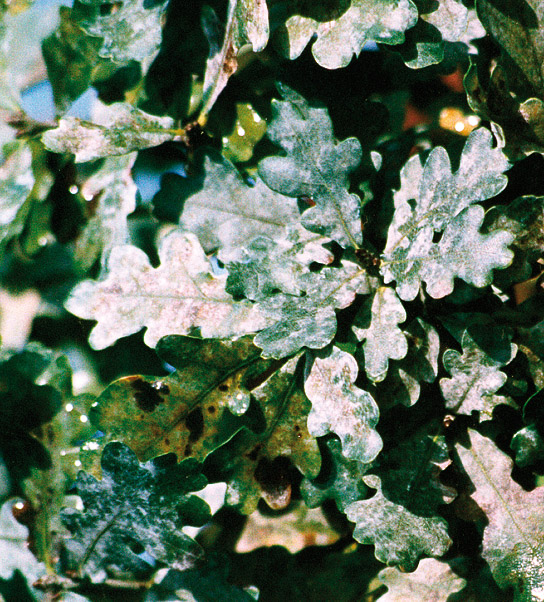
Mildew on oak
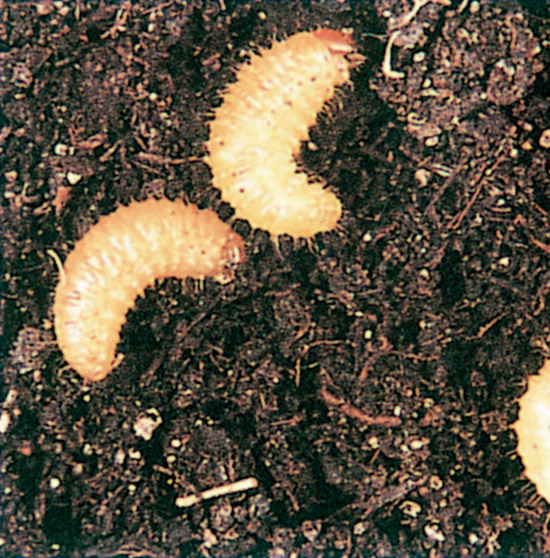
Vine weevils

Diseases of trunk and branches

Among problems of trunk and branches, consider the common disease of maples: ‘verticilliose’. It is due to a fungus that blocks the vessels. On branches some leaves yellow, fade and remain attached without falling. Then gradually the branch decays. The cause is a wound on roots or root base. There are treatments, but the necessary products are not available for amateurs. Therefore, disease prevention should be carried out using copper and sulphur — and surgery. ‘Paint’ the wounds with copper sulphate before applying a cut paste. Another possible diseases is canker, which especially attacks leafy trees. It, too, is due to a fungus. The symptoms show a modification in the appearance of the bark, with cracks or blisters. Copper also fights it effectively.

Diseases of leaves and needles

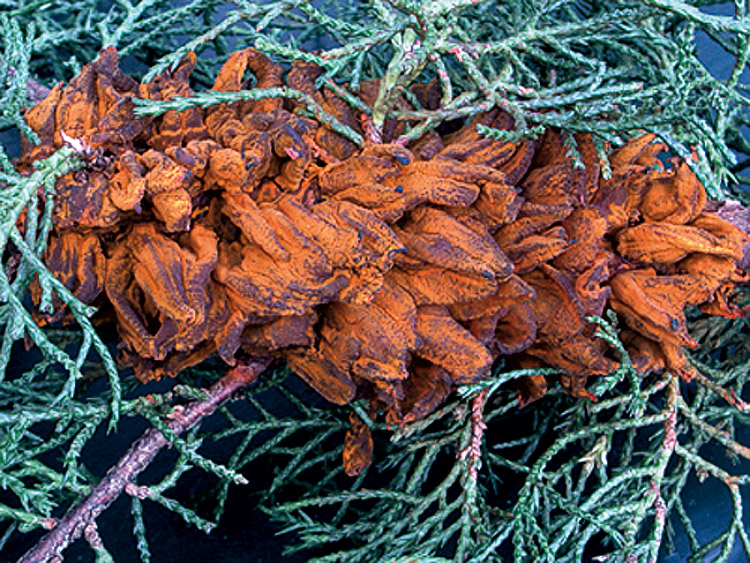
Let’s look at rusts due to fungus. These are seen on pines, where they affect needles by marking them with small blisters, and then with brownish-red spots. The treatment for this is sulphur. Rusts can be found on azaleas, and they also attack the bark of small branches, or the trunk. Another commonly seen disease is mildew — the causing agent is a fungus. The attacked leaf turns white and dies. The treatment is sulphur.
Lastly, on apple and pear trees it is necessary to look for scab, which stains the leaves. Apply a copper treatment for disease prevention just as the leaves fall or just before the buds open.

Rust on junipers
Deciduous tree affected by canker
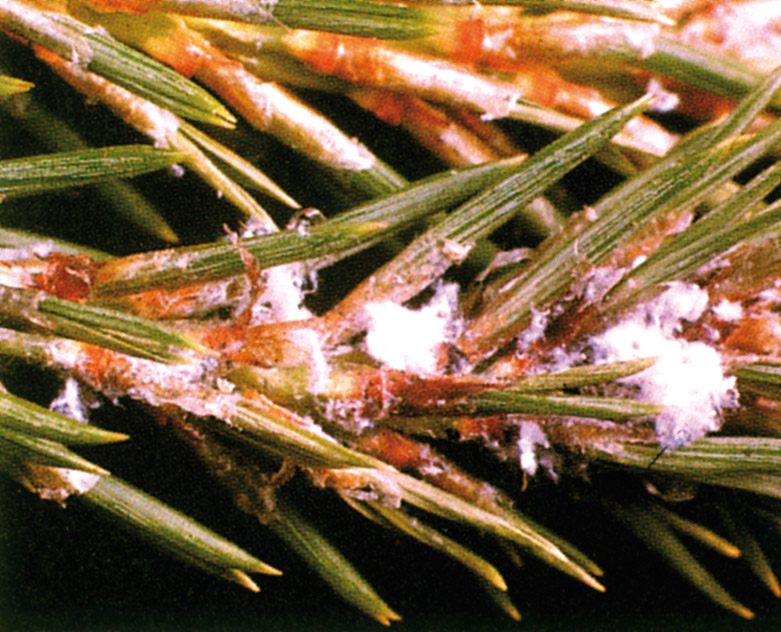
Pine adelgid
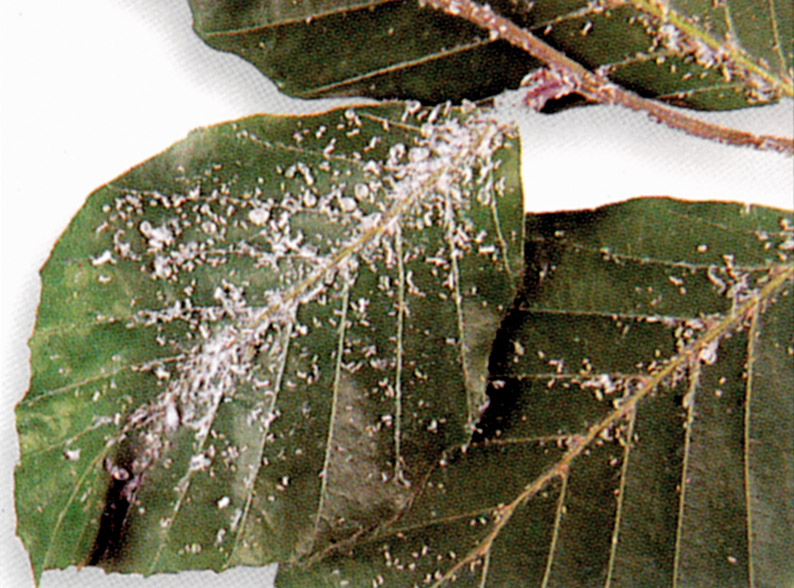
Aphids on a leaf

Parasites

Watch out for:

  • Aphids
  • Acarina or red spiders: microscopic insects live on the inside face of leaves and needles, which become greyish. The tree can be badly infested, elms and junipers in particular.
  • Cochineals/scale insects. There are suitable insecticides for these creatures and for all stages of their lives. However, disease prevention is the best answer.
  • Larvae of insects, molluscs, nematodes

Deficiencies

Plant disorders can be caused because our bonsai live in pots dependent only on what we give them. To avoid these deficiencies, it’s best to fertilise with organic fertilisers and to give them trace elements via foliar spraying.

How to avoid diseases

  • Have only the number of bonsai that you can reasonably maintain and supervise.
  • Give air and light to the bonsai: don’t display them too closely.
  • Use substrata that drain and ventilate well.
  • Look after trees by spraying well and by good fertilisation.
  • Use organic fertiliser to avoid plant deficiencies.
  • Be clean — that is, work with clean tools in a carefully ordered and well cleansed environment.
  • Raise bonsai suited to its region.
  • Maintain bonsai well by cleaning and pruning regularly.
  • Put in measures to encourage disease prevention: - Know and recognise the principal diseases. - Treat immediately when you diagnose symptoms of a disease.

© 2026 All Rights Reserved

Send me the newsletter.

You can cancel your Bonsai Today membership at any time, and you will continue to have access to Bonsai Today through the end of your billing period.  To cancel, go to the ‘Members‘ page and click on ‘Cancel‘ in My Memberships.